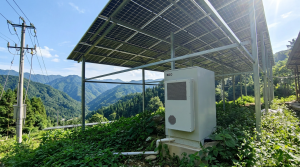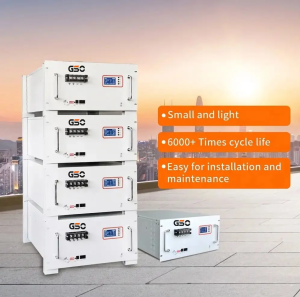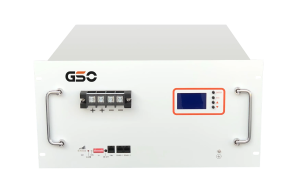

When considering the energy needs of a household, one crucial element comes into play—the battery backup for home systems. These systems are essential, especially as power outages become more frequent due to various factors such as extreme weather or infrastructure issues. In particular, choosing the right size of a solar backup battery for home applications can significantly enhance energy reliability. At GSO Power, we’ve seen firsthand how impactful a well-sized battery can be. Here, we explore the key factors to consider when sizing your solar backup battery.
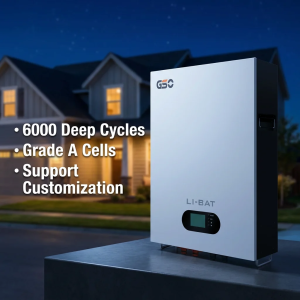
Understanding Your Energy Needs
The first step in sizing a solar backup battery for home is to understand your specific energy needs. This involves calculating your household’s energy consumption—typically measured in kilowatt-hours (kWh). By examining past utility bills, you can determine your average daily energy usage. Knowing how many appliances you intend to power during an outage will directly impact the size of your battery backup for home system. For example, if a home uses approximately 30 kWh per day but only needs to use essential appliances during a blackout, a smaller battery may suffice.
Choosing the Right Battery Capacity
Once you have a clear understanding of your energy needs, the next step is selecting the appropriate battery capacity. Battery capacity is measured in amp-hours (Ah) or kilowatt-hours (kWh), which reflects how much energy the battery can store. At GSO Power, we recommend opting for batteries that not only meet your average daily requirements but also provide a buffer for unexpected energy demands. For a well-rounded setup, consider a solar backup battery for home that offers a little more capacity than needed; this ensures that you have sufficient energy during those unexpected high-consumption days.
Evaluation of System Compatibility
The compatibility of your battery backup for home system with your existing solar setup is another critical factor to consider. Ensure that the battery you select can integrate seamlessly with your solar panels, inverter, and other components. At GSO Power, we focus on providing products that are designed with versatility in mind. Make sure to evaluate the voltage and capacity specifications of your solar system; mismatched components can lead to efficiency losses or damage. Familiarizing yourself with these elements can lead to a streamlined installation process and an optimally functioning backup solution.
Conclusion
Determining the right size for your solar backup battery for home involves understanding your energy usage, choosing an adequately sized battery capacity, and ensuring compatibility with your existing solar system. By following these steps, you can make informed decisions that will enhance your energy independence. With a lifespan of approximately 10 years and certified standards like CE, MSDS, and UN38.3, the battery backup for home solutions available provide a reliable safeguard against outages. At GSO Power, we are committed to helping you navigate these considerations and empower your home with sustainable energy solutions.