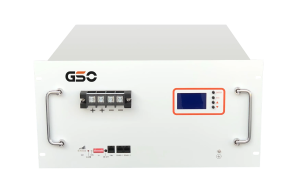

In recent years, the demand for reliable and efficient energy solutions has intensified. As businesses seek to optimize their operations and reduce costs, commercial battery storage has emerged as a vital component of energy management strategies. With advancements in technology, particularly in lithium iron phosphate batteries, firms are increasingly recognizing the significant return on investment (ROI) that comes with integrating battery storage into their commercial frameworks. This article explores the future of battery storage in commercial applications, emphasizing its benefits and ROI potential.
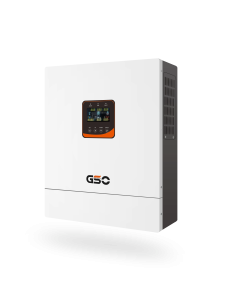
Advancements in Battery Technology
The evolution of battery technology plays a crucial role in the commercial adoption of energy storage solutions. Specifically, rack-type lithium iron phosphate batteries, such as the GBP-R Series from gsopower, are setting new standards. Featuring over 6000 charge cycles and a lifespan of ten years, these batteries deliver efficiency and reliability essential for businesses.
Lithium iron phosphate (Lifepo4) batteries provide several advantages: they are safer, have a longer life cycle, and are less prone to thermal runaway compared to other lithium batteries. This translates to reduced maintenance costs and less frequent replacements, both of which contribute to a favorable ROI for businesses investing in battery storage commercial systems.
As firms continue to adopt such technologies, the reduced costs of production and advancements in battery manufacturing will likely lower prices, making it even more feasible for commercial applications.
Commercial Applications of Battery Storage
Commercial battery storage systems can enhance various business operations. From peak shaving to load shifting, these systems provide immense flexibility in managing energy consumption. By storing energy during off-peak hours when rates are lower, businesses can discharge this stored energy during peak hours when electricity prices soar.
Moreover, battery storage can facilitate renewable energy integration, helping companies leverage solar or wind power more effectively. For instance, businesses equipped with solar panels can store excess energy generated during the day to meet their nighttime energy needs, reducing reliance on grid power and lowering utility bills.
The modular design of rack-mounted systems, such as gsopower’s offerings, allows businesses to scale their battery storage capacities according to their needs, ensuring tailored solutions that fit various operational requirements.
Evaluating ROI in Battery Storage Investments
Calculating ROI for battery storage commercial installations involves various factors that businesses must consider. Initial investment costs include purchasing the battery systems, installation, and connection to existing energy management systems. However, these upfront costs must be weighed against long-term savings and benefits.
Key considerations in evaluating ROI include:
Energy Cost Savings: By optimizing energy usage and reducing peak demand charges, companies can see significant savings in their energy bills.
Incentives and Rebates: Many governments and utility companies offer incentives for businesses that invest in energy storage solutions. These can offset initial costs and improve ROI.
Operational Resilience: The ability to maintain operations during grid outages or instability adds quantifiable value, minimizing losses associated with downtime.
Environmental Impact: As businesses increasingly prioritize sustainability, investing in battery storage can align with corporate social responsibility goals, enhancing brand reputation and customer loyalty.
Overall, the ROI for battery storage in commercial applications is increasingly attractive as technology advances and energy markets evolve.
Strategic Investment in Future Energy Solutions
As businesses move forward, strategic investment in battery storage commercial systems, such as the offerings from gsopower, will be critical. The combination of reliable technology, cost savings, and operational flexibility positions battery storage as a cornerstone of modern energy management. By leveraging advancements in battery technology, companies can not only enhance their energy resilience but also contribute to a sustainable energy future.
Embracing battery storage is not just a trend; it is a strategic decision that promises significant benefits and robust ROI for businesses aiming to thrive in an increasingly competitive landscape. The future of energy management lies in systems that empower companies to take control of their energy strategies, fostering innovation and growth.