
In today’s rapidly evolving energy landscape, the significance of hybrid inverters cannot be overstated. As energy demands rise and the push for sustainable solutions intensifies, these devices offer a compelling alternative to traditional energy systems. The integration of solar power, grid electricity, and battery storage creates a versatile and efficient energy management solution, and here at GSO Power, we are dedicated to promoting awareness and understanding of these innovative technologies.
What Are Hybrid Inverters?
Hybrid inverters are distinct devices designed to work with multiple sources of energy, including solar panels, batteries, and the electrical grid. Unlike traditional grid-tied inverters, which solely convert direct current (DC) generated by solar panels into alternating current (AC) for home usage, hybrid inverters offer more versatility. They can manage energy from both renewables and stored battery power as well as provide power from the grid when necessary. This flexibility allows homeowners and businesses to optimize their energy consumption efficiently, minimize utility costs, and reduce reliance on non-renewable energy sources.
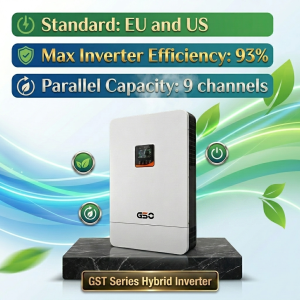
At GSO Power, we recognize the increasing demand for sustainable energy solutions, and our GST series three-phase hybrid inverters exemplify this shift towards flexibility and efficiency in energy management. With advanced technology, these devices enable simultaneous operations of solar generation, grid supply, and energy storage, ensuring that users have access to energy when they need it the most.
Benefits of Using Hybrid Inverters
The advantages of employing hybrid inverters extend beyond simple energy management. They also play a critical role in enhancing energy resilience. By integrating battery storage systems, hybrid inverters provide backup power in the event of grid outages, ensuring that essential appliances and systems remain operational. This level of reliability is increasingly valuable, particularly in areas prone to power instability.
Moreover, the use of hybrid inverters can lead to significant cost savings. By utilizing stored energy during peak demand hours, users can minimize their reliance on expensive grid electricity. Additionally, many regions offer incentives for solar installations, further enhancing the financial benefits associated with hybrid systems. At GSO Power, we believe that taking advantage of these technologies enables users to achieve a more sustainable and cost-effective energy solution.
How Hybrid Inverters Contribute to Sustainability
Integrating hybrid inverters into energy systems also supports broader sustainability goals. By maximizing the use of solar energy and reducing dependence on fossil fuels, hybrid systems contribute to a decreased carbon footprint. Additionally, they promote energy efficiency by encouraging users to consume energy generated from renewable sources whenever possible.
Through our commitment at GSO Power, we prioritize innovations that align with environmental stewardship. The GST series three-phase hybrid inverters are designed with sustainability in mind, ensuring that users can harness renewable energy effectively, thereby promoting a cleaner, greener future for everyone.
Conclusion
In conclusion, the role of hybrid inverters in modern energy solutions cannot be overlooked. Their ability to combine energy from solar panels, batteries, and the grid creates an adaptable system that enhances energy efficiency and resilience. At GSO Power, we are proud to contribute to this evolution with our advanced hybrid inverter technologies, supporting users in their quest for sustainable energy management. As the demand for reliable, eco-friendly energy solutions continues to grow, hybrid inverters like those in our GST series will be at the forefront of this revolution.