
In modern energy systems, standby power consumption is an important consideration for commercial users who deploy distributed storage and conversion equipment. A hybrid grid tie inverter is often selected in solar and storage projects where continuous monitoring and grid interaction are required. Within this context, we design solutions at GSOpower to support stable performance while keeping idle energy use within a controlled range. A hybrid inverter plays a central role in managing energy flow between solar arrays, batteries, and the grid, even when active power delivery is minimal. Understanding standby behavior helps system planners evaluate long-term operational efficiency and integration suitability for different industrial scenarios.
Standby Consumption Behavior in Grid-Tied Systems
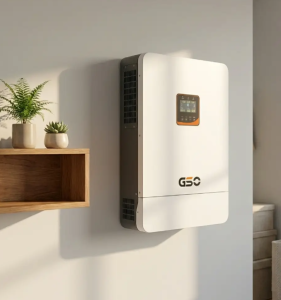
In grid connected renewable installations, standby demand varies depending on communication modules, switching circuits, and battery management requirements. A hybrid grid tie inverter typically maintains monitoring functions to ensure grid compliance and rapid response when solar input changes. This baseline operation results in a relatively low energy draw, which is mainly used for control logic and sensor activity rather than power conversion. A hybrid inverter in such configurations supports coordinated energy distribution between photovoltaic input and storage units, which also contributes to continuous readiness even during low load periods. For system designers, evaluating this consumption helps balance reliability expectations with overall energy budgeting in commercial deployments.
Operational Design Considerations in GSOpower Systems
In distributed solar and storage projects, standby efficiency is influenced by firmware design and power routing architecture. A hybrid grid tie inverter is applied in systems where real-time grid synchronization is required while maintaining minimal idle consumption. Our engineering approach at GSOpower integrates monitoring logic that supports stable switching between battery storage and photovoltaic input. This hybrid inverter configuration is optimized for reduced standby draw during night-time operation without interrupting communication functions. The hybrid grid tie inverter also supports grid stability features that allow smoother transitions between energy sources in fluctuating demand scenarios. Within GSOpower product planning, attention is given to standby consumption metrics to ensure compatibility with large-scale commercial installations. We also reference a three-phase European standard inverter designed for stable industrial applications with flexible grid compatibility features. Standby power in these systems is generally limited to control circuits, communication modules, and safety monitoring components rather than energy conversion activity. We focus on ensuring that these characteristics remain consistent across deployment environments, especially for commercial users who require predictable energy budgeting and minimal idle losses in long term operation scenarios without compromising system responsiveness across varying load conditions and seasonal variation profiles typical.
Practical Insights for Continuous Operation
Standby performance is an important factor for commercial solar and storage deployments where equipment operates continuously in variable conditions. We evaluate system design choices by examining how control electronics and communication modules consume minimal energy during idle states. This perspective helps operators understand long term operational efficiency in grid connected environments without relying on exaggerated expectations. We therefore prioritize balanced system behavior, practical maintenance planning, and cons