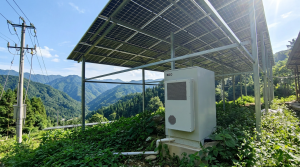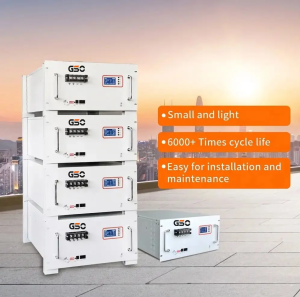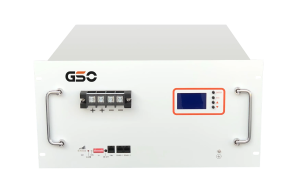

We design and deliver grid-connected solar solutions for commercial and industrial users, focusing on practical energy continuity when utility supply becomes unstable. A common question we address is whether a hybrid on grid inverter can continue operating in island mode when the grid fails. In our experience at GSOpower, the system behavior depends on configuration and backup capability built into the hybrid inverter. Some models support seamless switching to a backup output, while others require external switching devices. Our hybrid inverter solutions are developed to support energy management between photovoltaic input, battery storage, and grid interaction, ensuring controlled operation during interruptions. We also integrate monitoring functions to help operators understand load behavior during outages and restore grid synchronization efficiently once power returns across typical commercial installations and utility scale projects across urban areas deployment.
Island Mode Behavior During Grid Failure
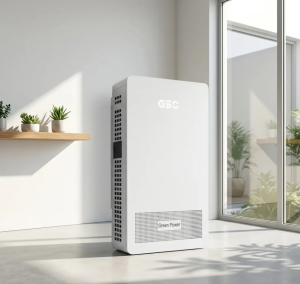
During a utility outage, island mode operation is only possible when the system includes a dedicated backup output or EPS function. A standard hybrid on grid inverter may disconnect from the grid for safety compliance, but advanced configurations can isolate selected loads and continue supplying power from batteries and solar input. In practical deployments, we configure switching logic so critical circuits remain powered while non-essential loads are shed automatically. This approach helps maintain stable energy usage without violating grid protection requirements. Our engineering team evaluates battery capacity, inverter rating, and load priority before enabling island operation features. Communication between the energy management system and the hybrid on grid inverter ensures that transitions are controlled and aligned with site requirements for commercial facilities and distributed energy systems. This configuration is typically validated through site testing and commissioning procedures before deployment stage.
System Integration and Monitoring Approach
GSOpower designs its energy systems to support flexible integration in commercial solar projects, where monitoring and control are essential for stable performance. The system architecture combines battery management, photovoltaic input, and grid interaction into a unified platform that allows operators to track real-time energy flow. In our single-phase EU hybrid solar inverter with parallel capacity, we focus on adaptable configurations that can be scaled for different site requirements. The hybrid inverter is built to coordinate charging and discharging cycles while maintaining safe operation during grid fluctuations. This structure helps facility managers optimize energy distribution without manual intervention. Communication interfaces are designed for compatibility with common monitoring platforms used in industrial energy environments, supporting consistent data visibility and operational planning across distributed assets supporting long-term operational coordination across sites and systems.
Operational Insight and Practical Deployment
Island operation in a hybrid solar setup depends mainly on whether backup output pathways and energy management logic are included in the system design. When the grid fails, properly configured systems can isolate critical loads and continue using stored and solar energy within defined safety limits. We focus on ensuring stable transitions, clear load prioritization, and coordinated recovery once grid conditions return. GSOpower engineering emphasizes practical deployment needs for commercial users, supporting predictable operation across different installation environments and usage.