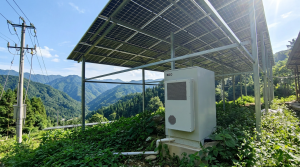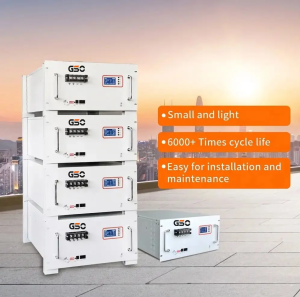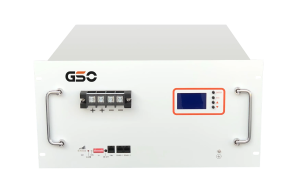

Many outdoor energy projects fail because the charging setup is selected without checking voltage range, cable matching, or charging behavior. When we configure a Portable Solar Power Station for field work, mobile monitoring, or temporary business power, we first review how the solar input works with the battery management system. LiFePO4 chemistry operates differently from older lead-acid storage, so panel selection cannot rely only on wattage labels. At GSOpower, we usually recommend reviewing open-circuit voltage, controller compatibility, and expected sunlight conditions before deployment. This process helps commercial users reduce unstable charging and avoid unnecessary shutdowns during outdoor operation.
Matching Electrical Parameters
A correct pairing starts with voltage and current alignment. Many portable panels are sold with similar power ratings, but the real charging performance depends on whether the panel output stays within the inverter’s solar input window. We often explain this during industrial site planning because unstable voltage may interrupt charging even when sunlight is available. When using a portable solar panel and battery setup for engineering support vehicles or temporary outdoor offices, cable length also affects efficiency. Long extension lines may increase energy loss, especially during continuous daytime charging. We suggest using connectors designed for outdoor power systems and keeping cable routing simple. Our company also integrates MPPT charging technology into several outdoor energy products to help improve energy collection under changing weather conditions. For mobile commercial teams, this approach supports more predictable daily operation without adding unnecessary installation complexity.
Planning Around Usage Conditions
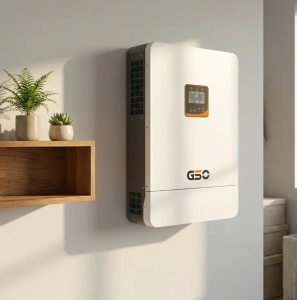
Field conditions influence battery charging behavior more than many operators expect. In coastal areas, moisture exposure can affect connectors and reduce long-term stability. In construction environments, dust and vibration may loosen cable interfaces over time. When we help clients choose a Portable Solar Power Station, we usually ask about transportation frequency, operating temperature, and expected charging duration before discussing panel size. These details matter because LiFePO4 systems perform more consistently when charging cycles remain controlled. The outdoor all-in-one inverter and battery solution developed by GSOpower combines inverter functions with integrated battery storage in a compact structure for mobile energy applications. This type of configuration is often easier to transport between temporary worksites, equipment testing areas, and outdoor service locations. For teams that depend on a portable solar panel and battery arrangement during remote projects, a stable enclosure design also helps reduce maintenance interruptions caused by weather exposure or repeated movement.
Conclusion
Correct pairing depends on more than matching wattage numbers. We focus on charging range, environmental conditions, cable management, and equipment mobility before finalizing a system design. LiFePO4 storage can support flexible outdoor operation when the charging structure remains stable and properly configured. For B2B users working in temporary facilities, remote maintenance sites, or mobile technical services, careful system planning usually creates more reliable daily energy performance and reduces unnecessary operational delays caused by incompatible charging equipment.