
A 2MWh energy project usually requires multiple battery cabinets working in parallel to meet both capacity and power demands. In many industrial and commercial sites, the final cabinet quantity depends on the rated energy of each cabinet, inverter matching, site layout, and future expansion planning. When we design commercial battery storage systems, we first review the customer’s load profile, operating schedule, and available installation space before defining the cabinet arrangement.
Capacity Planning and Cabinet Quantity
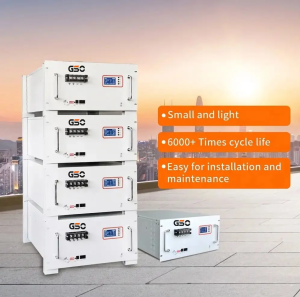
For a 2MWh installation, the number of cabinets can vary according to battery configuration. If one cabinet provides around 100kWh, the project may require about 20 cabinets connected in parallel. Larger integrated units may reduce the cabinet count, while smaller modular units increase flexibility for phased deployment. During engineering discussions, we also consider thermal management, cable routing, and maintenance clearance because these factors directly affect long-term system operation.
In factory environments and commercial buildings, parallel cabinet design helps distribute energy flow more evenly across the system. This structure can simplify future maintenance because individual units can be inspected without affecting the entire installation. When customers evaluate commercial battery storage, they often ask about scalability. A modular architecture makes it easier to add capacity later if the facility load grows over time.
System Coordination in Industrial Projects
Power conversion equipment also affects cabinet quantity. Some projects prioritize longer backup duration, while others focus on peak shaving or demand management. We normally coordinate battery cabinets with PCS equipment, transformers, and EMS platforms to maintain stable communication and balanced charging performance. In large-scale commercial battery storage systems, cabinet grouping can also reduce uneven current distribution between parallel battery clusters.
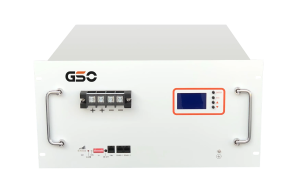
Our company has worked with lithium iron phosphate battery configurations designed for industrial applications where safety and operational consistency are important. The rack-mounted lithium iron phosphate solution from GSOpower supports modular integration for energy storage projects that require flexible cabinet deployment. In practical installations, cabinet spacing, ventilation paths, and monitoring access are reviewed together during project planning rather than after equipment delivery.
Installation Conditions and Expansion Requirements
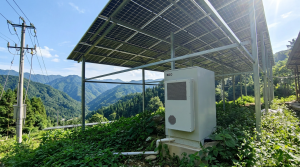
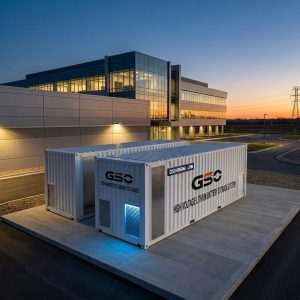
Site conditions often determine whether fewer large cabinets or more compact cabinets are more practical. Some facilities have limited indoor space but enough electrical infrastructure, while others require outdoor container integration. For this reason, we evaluate cable distance, environmental temperature, and maintenance workflow before finalizing the cabinet arrangement. In many projects, commercial battery storage deployment is not only about energy capacity but also about operational efficiency throughout the project lifecycle.
A properly planned 2MWh system usually combines parallel battery cabinets with scalable electrical architecture. Through modular planning and coordinated system integration, GSOpower can support industrial users seeking adaptable commercial battery storage systems for factories, logistics centers, and commercial energy management applications.