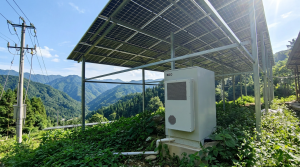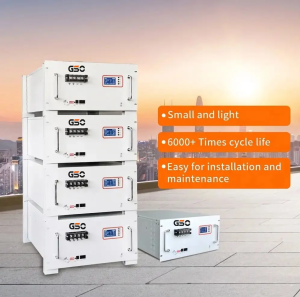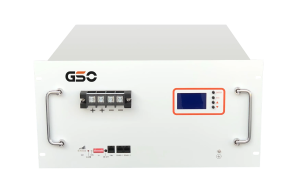

As energy demand patterns become less predictable, many project developers pay closer attention to battery safety during system planning. In commercial battery storage applications, thermal runaway prevention is not controlled by a single component. We usually see it managed through a combination of battery management software, temperature sensing, cell balancing, and emergency response logic. At GSOpower, we focus on monitoring consistency between battery modules because uneven charging behavior can increase internal heat accumulation over time. Our rack type lithium iron phosphate battery products are designed for industrial facilities, solar projects, and backup power scenarios where long operating cycles and stable communication between modules are important for daily operation.
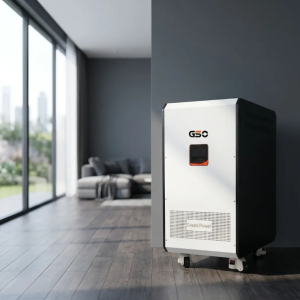
Layered Monitoring Logic
A modern BMS relies on multiple monitoring layers instead of a single temperature alarm. We configure voltage, current, and temperature tracking to operate simultaneously because abnormal readings often appear together before a thermal event develops. In many commercial solar battery storage systems, the BMS also communicates with the inverter and EMS platform to reduce charging current when thermal thresholds begin to rise. This coordination helps operators react earlier instead of waiting for automatic shutdown conditions. We also use cell balancing functions to reduce stress differences between battery cells. When voltage gaps remain uncontrolled for long periods, some cells may experience higher internal resistance, which can contribute to overheating during repeated charging cycles.
Protective Response During High-Load Operation
Industrial users often operate batteries under changing loads, especially in factories, logistics centers, and peak-shaving projects. Under these conditions, response speed inside the BMS becomes important. We design protection logic that can isolate affected battery modules if overcurrent, overvoltage, or short-circuit conditions are detected. In commercial battery storage environments, this type of isolation helps prevent heat from spreading between racks. Ventilation coordination also matters because airflow directly affects battery temperature stability. Our lithium iron phosphate rack systems support structured cabinet layouts that allow maintenance teams to manage airflow paths more efficiently. For larger commercial solar battery storage systems, remote diagnostics can also help technicians identify unstable modules before field conditions become difficult to control.
Safer Operation Through Coordinated Control
Reliable thermal management depends on continuous coordination between hardware design and software response. At GSOpower, we pay attention to communication accuracy, module isolation strategy, and long-cycle operating stability when developing battery systems for industrial projects. These details help reduce the risk of uncontrolled heat buildup in commercial solar battery storage systems used for renewable integration and backup power support. A carefully configured BMS does not remove every operational risk, but it can improve response timing and support safer daily energy management across demanding commercial environments.