
Many industrial facilities and utility-scale operators now evaluate whether commercial battery storage can generate value without connecting to photovoltaic systems. In energy trading environments, batteries are often charged during low-price periods and discharged when electricity prices increase. This operating strategy is commonly called energy arbitrage. We have seen more B2B clients study this model because grid price fluctuations create opportunities for controlled energy scheduling, even in locations where solar installation is limited by roof space, land conditions, or project timing.
Managing Grid Price Differences
Electricity markets in many regions operate with hourly or seasonal pricing changes. Under these conditions, commercial battery storage solutions can store electricity when rates are relatively low and release power during peak-demand periods. We often work with industrial users that want to reduce exposure to afternoon demand charges or unstable peak pricing. In these projects, the battery system acts as a flexible energy management asset rather than a renewable energy backup source.
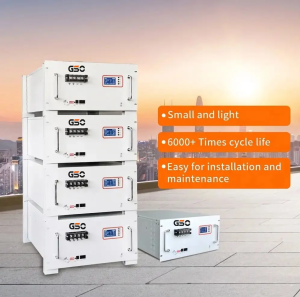
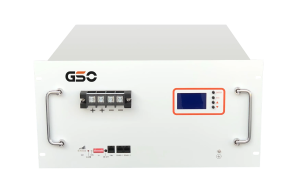
For arbitrage-focused projects, system response speed, cycle stability, and operational monitoring become important factors. Our company provides rack-mounted lithium iron phosphate battery systems designed for commercial energy applications where stable charging and discharge performance is required. The modular structure supports easier expansion for facilities that gradually increase storage capacity after initial deployment. In warehouse parks, manufacturing sites, and EV charging projects, operators usually focus on long-term operating consistency instead of short-duration backup power alone.
Operational Planning Beyond Solar Integration
Although solar integration is common, arbitrage-only deployment can still support practical business goals. Some customers install commercial battery storage near substations or large consumption sites to balance demand peaks across multiple shifts. Others use batteries to support grid participation programs or stabilize electricity purchasing schedules. In these cases, the value comes from energy timing rather than renewable generation.
We also notice that battery chemistry selection affects project operation. Lithium iron phosphate technology is often selected because of its thermal stability and predictable cycle behavior in commercial environments. Our GSOpower rack-type lithium iron phosphate battery system is designed for scalable commercial deployment with centralized management support and structured cabinet integration. For B2B operators, installation efficiency and maintenance planning are usually part of the purchasing decision, especially in facilities with continuous daily operation.
Evaluating Long-Term Project Value
Arbitrage projects depend heavily on local electricity pricing structures, dispatch strategies, and operational discipline. While solar can improve overall energy flexibility, it is not always required for storage investment planning. commercial battery storage solutions may still support cost management objectives when operators carefully analyze charging schedules, peak tariffs, and equipment utilization. At GSOpower, we focus on practical energy storage configurations that align with commercial operating conditions instead of relying on a single application model.