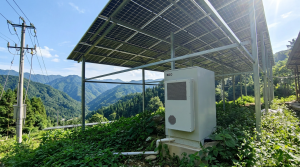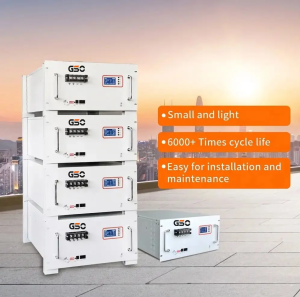

As more industrial facilities and energy developers install solar systems, warranty coverage has become an important part of project evaluation. A typical warranty period for commercial battery storage usually ranges from 5 to 15 years, depending on battery chemistry, operating conditions, and system design. In many solar applications, suppliers also define warranty terms according to cycle count, retained capacity, and temperature requirements. When we discuss project planning with clients, we often explain that warranty details should be reviewed together with system usage patterns instead of looking only at the warranty length itself.
Factors That Affect Long-Term Coverage
Battery manufacturers normally calculate warranty periods based on expected operating environments. Frequent deep discharge cycles, unstable grid conditions, and high ambient temperatures may influence battery aging over time. In a commercial battery storage for solar project, daily charging and discharging behavior is usually more predictable than in backup-only applications, which can help maintain stable battery performance.
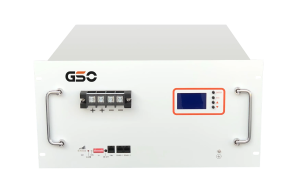
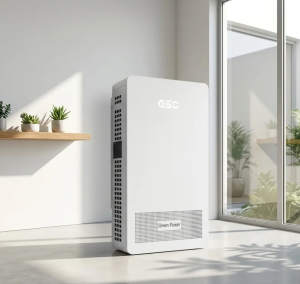
At GSOpower, we pay close attention to these operating conditions when configuring lithium iron phosphate systems for commercial installations. Our rack-mounted lithium iron phosphate battery solution is designed for scalable energy storage projects such as factories, office buildings, and renewable energy sites. The modular structure also allows maintenance teams to inspect and manage battery groups more efficiently during long-term operation.
Why Battery Chemistry Matters
Different battery chemistries often come with different warranty expectations. Lead-acid systems generally have shorter warranty periods because they are more sensitive to cycling depth and charging conditions. Lithium iron phosphate technology is commonly selected for commercial solar applications because of its thermal stability and predictable cycle performance.
When companies compare commercial battery storage options, they usually review both warranty duration and remaining capacity guarantees. Some suppliers specify that batteries should retain a certain percentage of original capacity after several years of operation. Others may limit warranty protection according to annual throughput or installation environment. For engineering teams, these details can affect future maintenance planning and replacement schedules.
Evaluating Warranty Terms During Project Planning
Warranty documentation should match the actual operating profile of the installation site. In a commercial battery storage for solar system connected to daily solar charging cycles, the expected annual throughput may differ significantly from emergency backup projects. Because of this, project owners often compare charge cycles, temperature ranges, communication systems, and maintenance requirements before selecting equipment.
We also recommend checking whether technical support, remote monitoring, and replacement procedures are clearly defined in the warranty agreement. These service details can influence long-term operational management, especially in multi-site industrial projects where downtime may affect energy scheduling and production stability.
Long-Term Value Beyond Warranty Length
Warranty periods provide a useful reference point, but they are only one part of system evaluation. For many solar developers and industrial users, reliable operation, maintenance access, and stable energy management are equally important. At GSOpower, we focus on building lithium iron phosphate solutions that support practical commercial energy applications while helping clients manage long-term operational expectations responsibly.