
Fire protection planning is a major part of battery energy project design because thermal events inside lithium systems can affect equipment continuity, surrounding infrastructure, and maintenance schedules. When we develop energy projects for industrial and utility applications, we evaluate enclosure structure, ventilation layout, gas detection, and emergency isolation together instead of relying on a single protective device. In many regions, fire suppression requirements also depend on local electrical codes, insurance conditions, and site operating environments. For integrators working with commercial scale battery storage, system-level coordination between monitoring software and suppression hardware is becoming part of standard engineering practice. At GSOpower, we pay close attention to how rack arrangement and cell chemistry influence practical safety management during long operating cycles.
Detection and Early Response
Battery fire protection usually starts with early detection rather than direct extinguishing action. In lithium iron phosphate systems, operators often install smoke detectors, temperature sensors, and off-gas monitoring equipment inside battery enclosures or electrical rooms. These devices help maintenance teams identify abnormal conditions before heat spreads between racks. For many commercial battery storage projects, the suppression sequence is linked to the battery management system so that charging circuits can disconnect automatically during fault conditions.
Water sprinkler systems are still used in some facilities because they help control surrounding temperatures and reduce structural exposure. However, clean-agent suppression systems are also common in enclosed installations where sensitive electrical equipment requires lower residue after discharge. We normally discuss these options with engineering contractors during the early layout phase because room size, airflow, and access paths all affect suppression efficiency.
Equipment Layout and Isolation Planning
Fire suppression performance depends heavily on physical separation inside the battery room. Rack spacing, cable routing, and ventilation channels influence how heat and gases move during abnormal events. In our projects, we try to simplify maintenance access while reducing the possibility of thermal propagation between cabinets. This approach is particularly important for facilities operating continuously under fluctuating load conditions.
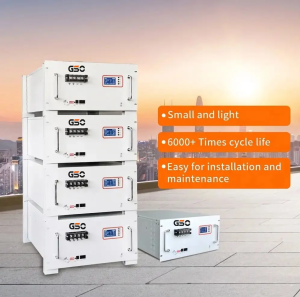
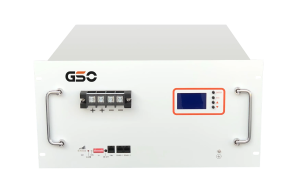
Our rack-type lithium iron phosphate battery system is designed for modular deployment, which helps engineering teams configure isolation zones more clearly during installation. The structure supports monitoring integration and organized cable management, making inspection procedures easier for technicians responsible for long-term operation. For operators managing commercial scale battery storage, organized equipment layout can also support emergency response coordination with local fire departments and facility managers.
Operational Procedures and Compliance
Fire suppression equipment alone cannot replace operational discipline. Regular inspection schedules, thermal imaging checks, ventilation maintenance, and staff training all contribute to safer battery operation. In many commercial battery storage facilities, project owners also establish emergency shutdown procedures and remote alarm notifications to reduce response time during abnormal conditions.
As energy storage capacity continues expanding across industrial sites and renewable projects, practical fire protection planning remains closely connected to system design and daily operation. GSOpower focus on combining stable lithium iron phosphate technology with structured monitoring and maintenance practices so that battery installations can operate with clearer safety management over time.