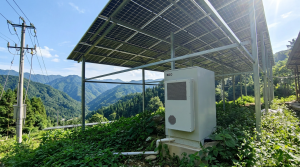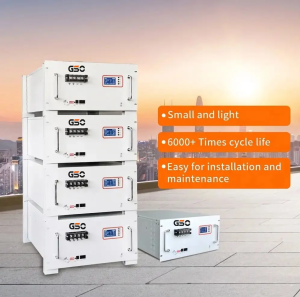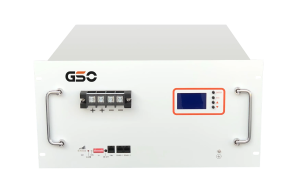

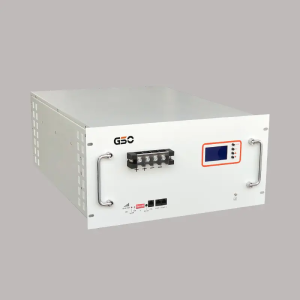
As businesses increasingly seek sustainable energy solutions, the all in one solar power system has gained significant attention. This system integrates photovoltaic (PV) panels and energy storage into a single unit, offering convenience and efficiency. Companies like gsopower have developed stacked PV and battery energy storage solutions, such as the GSL Series, designed to meet various energy needs. This article explores the advantages and disadvantages of adopting this innovative technology.
Advantages of All In One Solar Power Systems
One of the primary benefits of an all in one solar power system is its ease of installation and use. By combining solar panels and energy storage into a single unit, businesses can streamline their setup process. The stackable type design of systems like the GSL Series allows for flexibility in installation, making them suitable for various spaces and energy requirements.
Another significant advantage is the enhanced energy efficiency these systems provide. With integrated energy storage, businesses can utilize solar energy generated during the day, even after the sun sets. This ability minimizes reliance on grid energy and helps to reduce operational costs. The all in one storage feature ensures that surplus energy is efficiently stored for later use, thereby maximizing resource utilization.
Moreover, the longevity of these systems is noteworthy. With a cycle life of over 6000 times and an expected operational life of around 10 years, systems like those from gsopower offer durability and reliability. Investing in an all in one solar power system can lead to substantial long-term savings, making it an attractive option for businesses focused on sustainability and cost-effectiveness.
Considerations for All In One Solar Power Systems
Despite their advantages, there are some considerations businesses should bear in mind when contemplating an all in one solar power system. The initial investment can be significant, especially for small to medium enterprises. While the long-term savings can offset this cost, businesses must assess their financial capacity for upfront expenditure.
Additionally, while the integrated design simplifies installation, it can limit customization. Businesses with specific energy needs may find that an all in one solar power system does not cater to their unique requirements as effectively as a bespoke setup might. Therefore, understanding the specific energy demands of a business is crucial before opting for such a system.
Furthermore, while all in one storage systems often come with warranties and support, potential technical issues may arise, particularly as technology evolves. Ensuring that the chosen system, such as the GSL Series, is backed by a reliable provider like gsopower is essential for mitigating risks associated with system failures and maintenance.
Weighing the Benefits Against the Drawbacks
In summary, the decision to adopt an all in one solar power system involves careful consideration of both its benefits and drawbacks. The convenience, energy efficiency, and longevity of systems like gsopower’s GSL Series present compelling reasons for businesses to invest in this technology. However, it is crucial to weigh these advantages against the initial costs, customization limitations, and potential technical challenges.
By conducting thorough evaluations of their energy needs and consulting with trusted suppliers, companies can make informed decisions about whether an all in one solar power system aligns with their operational goals and sustainability targets.
An Informed Choice for Sustainable Energy Solutions
Ultimately, the all in one solar power system represents a significant step towards energy independence and sustainability for businesses. By embracing this innovative technology, companies can not only reduce operational costs but also contribute positively to environmental conservation efforts. Engaging with reputable brands like gsopower enables businesses to make informed choices that align with their energy and environmental objectives.