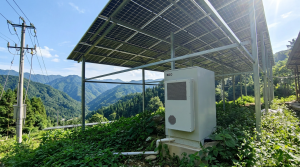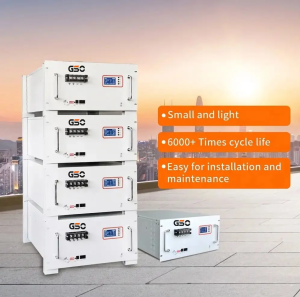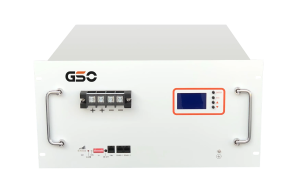

In commercial and utility-scale energy projects, determining the right capacity for energy buffering systems depends on load profile, solar yield, and backup requirements. When we design solutions for clients, we often begin by evaluating how solar battery storage is expected to support daily peak shifting and emergency resilience. At the same time, selecting appropriate batteries for solar power storage involves balancing discharge duration with installation constraints. As GSOpower, we focus on helping project developers align system sizing with real operational demand rather than theoretical estimates. This approach reduces mismatch between generation and consumption and supports more stable integration of photovoltaic systems in different environments.
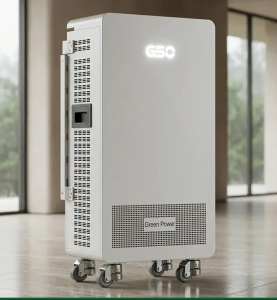
Assessing Load and Duration Needs
For most commercial installations, we evaluate capacity by reviewing hourly consumption patterns and expected solar generation curves. A correctly sized solar battery storage system must be able to handle both short peak loads and longer overnight support without excessive cycling stress. In parallel, project teams also review whether batteries for solar power storage can maintain stable performance under varying temperature conditions and partial-state-of-charge operation. At GSOpower, we typically simulate multiple usage scenarios to determine how much usable capacity is required rather than relying on nominal ratings alone. This helps ensure that energy availability aligns with real facility operations such as manufacturing shifts, logistics hubs, or data-driven infrastructure where continuity matters.
Practical Sizing Factors in Projects
For industrial and grid-support applications, capacity planning must consider future expansion, seasonal variation, and redundancy requirements. A properly configured solar battery storage setup allows project operators to adjust stored energy levels based on evolving demand profiles without redesigning the entire system. When selecting components, engineers also evaluate whether batteries for solar power storage can support modular scaling and consistent discharge efficiency across multiple cycles. GSOpower works with project stakeholders to align technical specifications with site constraints, ensuring that integration with inverters and control systems remains stable under varying load conditions. This is especially relevant for sites where renewable penetration is increasing over time and flexibility is required.
Aligning Capacity with Operational Reality
In real-world project development, capacity decisions are rarely static and often evolve as energy demand patterns and site conditions become clearer over time. Teams responsible for system planning usually revisit initial assumptions to ensure the installed infrastructure continues to match operational expectations. As GSOpower we emphasize practical evaluation methods that reflect actual usage rather than idealized modeling results during early project design. Decision makers often integrate monitoring feedback from deployed systems to refine future capacity planning and improve operational stability. Over time, this iterative approach supports more predictable performance outcomes across diverse commercial environments. Project stakeholders benefit from continuous review cycles that combine field data, system analytics, and operational feedback to adjust storage configurations, improve efficiency, and support long-term energy reliability across multiple facilities and usage scenarios without introducing unnecessary complexity into the infrastructure design. We aim to maintain alignment between engineering choices and actual site requirements throughout the project lifecycle to ensure consistent operational outcomes in real use.