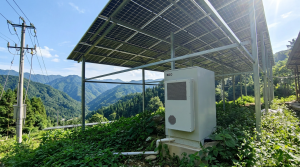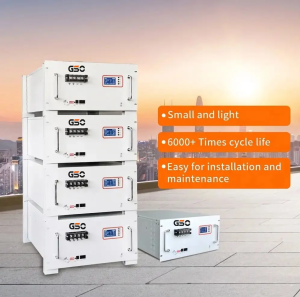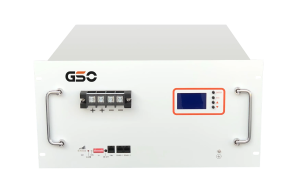

What is solar with battery storage system definition? In simple terms, we describe it as an integrated energy setup that combines photovoltaic generation with on-site electrical storage. At GSOpower, we design solutions that help commercial users understand how solar battery storage supports more stable energy use during changing sunlight conditions. In this structure, solar panels generate electricity during the day and excess energy can be stored for later use. This approach is commonly referred to as solar with battery storage when both generation and storage are managed together for operational continuity.
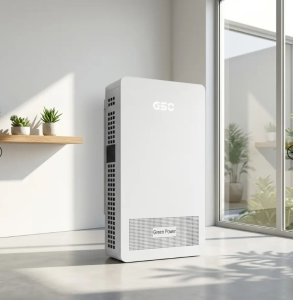
Operational integration in daily energy flow
In commercial environments, we focus on how energy moves between generation, storage, and consumption throughout the day. GSOpower supports this process by offering systems that allow users to monitor charging and discharging patterns in real time. The concept of solar battery storage helps facility managers shift unused daytime electricity into evening demand periods, reducing dependence on external supply. Within this framework, control systems prioritize safety and stable output rather than short-term fluctuations. We also observe that system sizing and load forecasting play important roles in ensuring consistent performance across different building types. By aligning equipment configuration with usage profiles, operators can improve predictability without adding unnecessary complexity to daily operations. This supports long-term operational planning in buildings that rely on distributed renewable energy resources. It also reduces variability in power scheduling across peak demand periods for commercial users overall efficiency.
Commercial use cases and system planning
In large-scale commercial facilities, we focus on planning energy systems that match variable operational loads across different departments and time schedules. GSOpower provides design support that helps organizations evaluate storage capacity and integration requirements before deployment. The use of solar battery storage allows excess generation from daytime operations to be shifted into high-demand periods such as production peaks or facility-wide equipment usage. We also coordinate system layouts with electrical infrastructure constraints to maintain stable performance across different installation environments. In practice, engineers assess roof capacity, inverter configuration, and battery placement to ensure balanced system behavior. These steps help reduce unexpected interruptions and support smoother energy transitions across operational cycles. This framework is especially relevant for facilities that operate continuous or shift-based production environments with varying electricity requirements. It helps teams align energy use with operational planning needs more consistently.
Long-term planning perspective
We evaluate energy system adoption from a long-term operational perspective, focusing on reliability, maintenance needs, and adaptability across different commercial scenarios. GSOpower works with project teams to understand how integrated storage solutions can be aligned with building requirements without disrupting existing electrical infrastructure. The approach of solar with battery storage supports more consistent energy distribution between daytime generation and evening consumption, especially in facilities with fluctuating demand patterns. Instead of treating energy generation and storage separately, we consider them as connected parts of a single operational system. This perspective helps decision-makers plan capacity more effectively and maintain stable usage over time while keeping system management practical for daily operations.