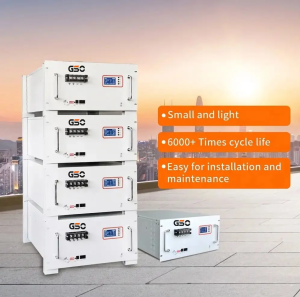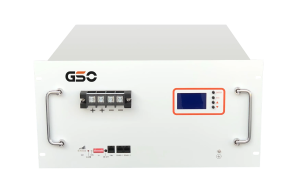

In residential energy storage planning, understanding the difference between usable capacity and nameplate capacity is essential for system selection and daily operation. We at GSOpower work with project integrators to explain how these two measurements influence real application performance in home environments. A battery backup for home is often evaluated by its usable capacity rather than only its rated specification, since discharge limits and system controls affect available energy during operation. Many installers also compare solutions when recommending a best backup battery for home to clients who require consistent backup during grid interruptions. This distinction helps users interpret technical datasheets more accurately when planning storage configurations. It also supports clearer system design decisions for installers working across different residential storage projects and varying grid reliability conditions throughout the year settings.
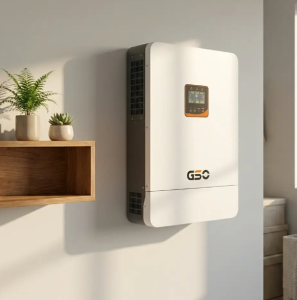
Understanding Capacity Definitions in Design
In system design discussions, usable capacity is defined by the portion of stored energy that can be safely discharged under operating constraints, while nameplate capacity represents the total theoretical storage rating provided by the battery chemistry and configuration. At GSOpower, we align configuration guidance with real project conditions so installers can size systems more accurately for residential applications. A battery backup for home must therefore be evaluated using operational limits rather than only nominal specifications, especially when cycling behavior and inverter settings influence output availability. This approach also supports selection decisions when comparing options such as a best backup battery for home in distributed energy installations. Proper interpretation of these values reduces mismatches between expected and delivered energy in field use cases. This ensures consistent planning across residential projects teams.
Field Application and Monitoring Practices
In field applications, energy storage systems are often evaluated during real-time operation rather than laboratory conditions, allowing installers to observe how usable capacity changes under varying load profiles and temperature environments. We at GSOpower support project teams by providing configuration insights that help align system expectations with operational realities in residential deployments. A battery backup for home plays a key role during outage events, where discharge depth and inverter efficiency directly impact the amount of usable energy delivered to end loads. Monitoring tools also help stakeholders compare system behavior when evaluating a best backup battery for home across different installation scenarios. These observations contribute to improved planning accuracy and more consistent energy availability for residential users relying on stored power. This data is used by engineering teams to refine system configurations and improve operational reliability in varied conditions settings optimization.
Practical Interpretation for Residential Storage Systems
Understanding usable and rated energy values helps residential stakeholders evaluate system performance in practical deployment scenarios. We at GSOpower emphasize clear communication between design specifications and real operational behavior in storage systems. This perspective supports more informed planning for installers working with residential energy configurations across different environments. We also consider how system design choices affect daily usage patterns, maintenance planning, and long term operational consistency for residential installations relying on stored energy systems in different grid conditions contexts here.