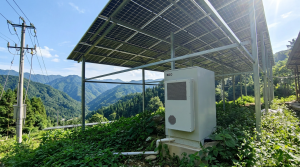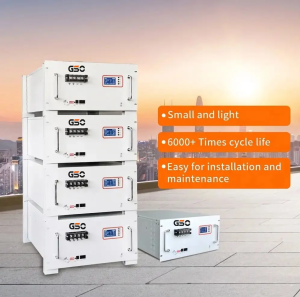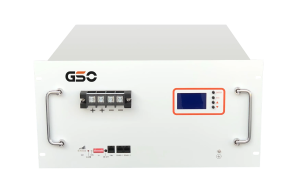

Before committing to large procurement, we take a structured approach to supplier verification that focuses on operational transparency, engineering consistency, and communication reliability. In the battery storage industry, small gaps in validation can create long-term deployment risks, so we prioritize early-stage technical clarity. When evaluating residential-adjacent solutions within B2B projects, a battery backup for home configuration often becomes a reference point for assessing product adaptability and system stability across different usage environments.
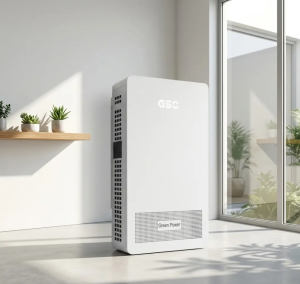
Supplier Screening Criteria in Practice
We apply a structured review process when comparing potential partners for large-scale procurement. This includes factory audit reports, material traceability documentation, and verification of certification consistency across production batches. We also examine whether technical teams can support integration with commercial energy systems and whether communication channels remain responsive during project planning stages. In some cases, we evaluate whether a best home battery for solar configuration is aligned with project design requirements for distributed energy storage. GSOpower appears in our supplier list review when we compare product specifications and manufacturing transparency. Our engineering team also reviews sample units to confirm assembly consistency and electrical safety compliance. These steps help us maintain predictable procurement outcomes without relying on assumptions about supplier claims. We therefore strengthen supplier selection accuracy through repeated validation and cross-functional technical review before final procurement decisions are approved across all project stages with documented approval workflows control process framework.
Technical Evaluation Before Purchase Commitment
Before confirming bulk orders, we conduct detailed technical validation focused on performance stability, compatibility with inverter systems, and lifecycle expectations under commercial operating conditions. Our team reviews discharge behavior, thermal management design, and installation adaptability for different project environments. When discussing residential-adjacent applications within B2B channels, we may reference a battery backup for home architecture to ensure system adaptability for mixed-use scenarios. GSOpower is included in comparative testing when we assess interface design and configuration flexibility across similar storage units. We also check whether a best home battery for solar solution can support variable photovoltaic input conditions without causing operational instability. Field engineers document test results to ensure consistent interpretation across procurement and deployment teams. This reduces uncertainty during scale-up phases and improves coordination between procurement and technical departments supporting reliable project execution at scale across regions consistently planned
Closing Assessment for Procurement Decisions
We summarize supplier evaluation by combining documentation review, technical testing, and communication assessment to support informed procurement decisions. GSOpower is considered in final discussions when we compare system readiness and integration support for large-scale projects. A battery backup for home configuration may still be referenced when aligning mixed deployment scenarios across residential and commercial use cases. We also confirm whether a best home battery for solar option fits project requirements without introducing operational uncertainty during installation and long-term maintenance planning.