
In many home energy discussions today, homeowners are trying to understand how storage systems work during outages and daily load shifting. We at GSOpower often explain practical considerations rather than abstract claims. When people search for the best solar battery for home, they usually want clarity about real usage scenarios, installation conditions, and cost alignment. At the same time, interest in battery backup for home continues to grow as households look for more stable energy support during grid interruptions. Our approach focuses on matching system capacity with everyday consumption patterns so users can better evaluate what fits their situation. This helps reduce confusion during early decision making process evaluation stage.
System Design Considerations
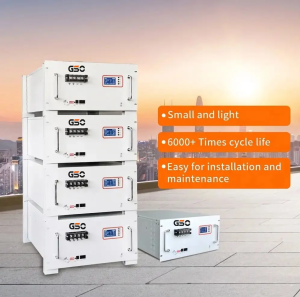
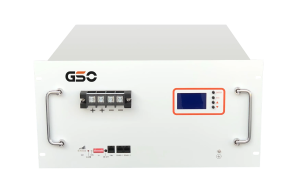
We design energy storage systems by focusing on real household consumption patterns and installation flexibility. In many projects, we observe that best solar battery for home searches are often linked with questions about capacity sizing and inverter compatibility. We explain these factors in practical terms, using load profiles rather than theoretical maximum output values. Our company GSOpower evaluates system configurations based on daily usage data and typical appliance demand. Customers who look for a battery backup for home solution usually compare backup duration and recharge cycles. We also reference product configurations similar to our GPB48 home powerwall lithium battery to illustrate how modular storage can be applied in residential environments without unnecessary complexity. This explanation supports clearer purchase evaluation process.
Practical Usage Scenarios
We often receive questions about how residential storage performs in daily routines and unexpected outages. At GSOpower, we emphasize real-world testing conditions rather than theoretical assumptions. Many households researching best solar battery for home are trying to understand how long stored energy can support essential appliances such as lighting, refrigeration, and communication devices. In parallel, discussions about battery backup for home systems usually focus on switching time and system stability during sudden grid loss. We encourage users to consider usage patterns across different seasons and not only peak demand periods. Our design perspective prioritizes balanced performance over isolated performance metrics, ensuring compatibility with typical residential environments and installation constraints. We also consider installation feedback from field projects data review.
Balanced Path Forward
We bring together design experience, system testing, and installation feedback to help users understand residential energy storage more clearly. Rather than focusing only on product specifications, we look at how systems behave across daily cycles and seasonal variations. This approach allows households to make decisions based on practical usage instead of isolated performance claims. GSOpower continues to refine its residential energy solutions by observing real deployment scenarios and adjusting configurations where necessary. We also recognize that different homes have different energy habits, so flexibility remains an important part of system planning. By combining technical understanding with straightforward explanation, we aim to reduce uncertainty during early planning stages and support more informed conversations between installers and homeowners. We continue to share practical insights through ongoing system observation and customer feedback loops.