
Modern solar projects often consider how energy is managed between onsite use and the utility grid. In commercial and industrial systems, a hybrid inverter plays a central role in coordinating photovoltaic generation, battery storage, and grid interaction. At GSOpower, we design solutions that support flexible energy flows for B2B applications, helping operators align system output with site demand and utility requirements. The question of exporting surplus solar energy is becoming more relevant as more facilities adopt storage integrated systems and dynamic load management strategies. Understanding this function helps project planners evaluate how energy assets can contribute beyond self consumption and improve overall system utilization. These considerations are especially important for facilities aiming to optimize renewable energy investments in real practice.
Grid Export Functionality Overview
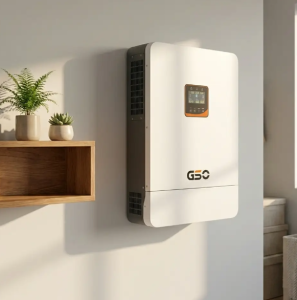
Grid export functions depend on system configuration, local regulations, and the capabilities of power conversion equipment. Many hybrid inverters are designed to manage bidirectional energy flow, allowing surplus photovoltaic output to be directed toward the utility grid when conditions permit. Within GSOpower systems, a hybrid inverter can be integrated with battery storage to prioritize self consumption while still enabling controlled export when permitted. Hybrid inverters also provide monitoring functions that help operators adjust export levels according to load profiles and energy pricing signals. Exported energy may contribute to revenue streams where net metering or feed-in tariff policies are available. System design also considers safety protections, grid synchronization, and compliance requirements to ensure stable operation in commercial environments. These factors influence how effectively surplus solar generation can be utilized across different project scenarios supporting long term operational planning decisions made.
Commercial System Integration
In larger commercial installations, system architecture often combines photovoltaic arrays, storage units, and power conversion equipment into a coordinated framework. The hybrid inverter is typically positioned as the central interface managing energy distribution between onsite loads and the grid. GSOpower integrates hybrid inverters with advanced monitoring features in its European standard three phase inverter product line for industrial clients. We often observe that export control strategies depend on site consumption patterns and grid approval conditions. Operators may adjust charging schedules to increase usable output during high demand periods without affecting system stability. Export enabled configurations require careful coordination between hardware settings, grid compliance rules, and energy management software. The system design also supports scalable deployment for different industrial scenarios where energy usage varies across production cycles. These capabilities help improve operational visibility and planning accuracy for energy managers over time.
Revenue Export Perspective
Exporting surplus solar energy to the grid depends on technical capability, policy conditions, and project design choices. Systems built around modern power conversion technology can support controlled export when regulatory frameworks allow it. For operators, this function is often evaluated alongside storage efficiency and onsite consumption requirements in commercial projects. We see that planning export strategies requires coordination between engineering teams, financial planning, and site operations. Proper system integration allows flexible energy utilization across varying market conditions in practice today.