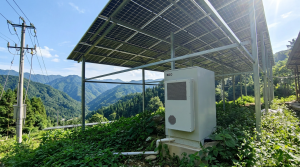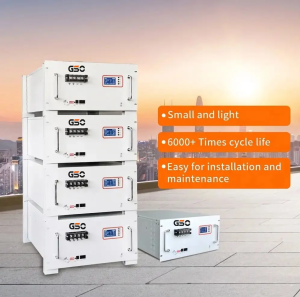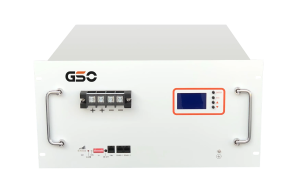

Operating renewable energy systems at extreme elevation requires careful consideration of environmental conditions, temperature variation, and electrical stability. At GSOpower, we work with B2B clients who deploy power systems in challenging terrain, including projects reaching 5000 meters above sea level. In these scenarios, system design must prioritize reliability and thermal management to ensure continuous operation. A properly selected hybrid inverter can help stabilize energy conversion between solar input, storage batteries, and load demand, especially where grid access is limited. We often evaluate site constraints early in the planning stage to align equipment performance with altitude-related derating factors. For international EPC partners, understanding equipment behavior in thin air conditions is essential for long-term system performance and maintenance planning.
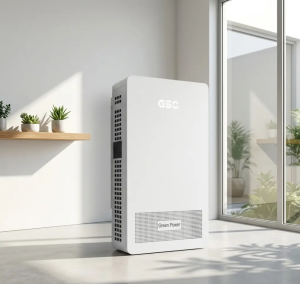
Altitude Performance Constraints
At high elevation sites, electrical equipment experiences reduced air density that can affect heat dissipation and component stress. We consider these factors when designing systems for mining camps, remote telecom stations, and mountain microgrids. GSOpower supports project teams by providing configuration guidance for inverter selection and system architecture. In many cases, a hybrid inverter is evaluated for its ability to manage variable photovoltaic input while maintaining stable output under fluctuating environmental conditions. When integrating a growatt hybrid inverter into such systems, we assess derating curves, enclosure protection levels, and communication compatibility with battery management systems. These technical reviews help ensure that energy conversion remains consistent even when ambient pressure and temperature shift significantly during seasonal changes. Field validation remains important.
Model Selection Approach
Selecting suitable equipment for 5000 meter projects requires balancing electrical efficiency, environmental protection, and long-term service stability. We typically begin with load profiling and energy storage requirements before narrowing down inverter options. GSOpower works closely with engineering partners to align system specifications with real site conditions rather than theoretical assumptions. For high altitude deployment, a hybrid inverter should be evaluated for thermal performance margins and adaptive power control features. In our experience, a growatt hybrid inverter from selected series with reinforced protection ratings and optimized cooling design is commonly reviewed for these environments, although final selection depends on project architecture and battery configuration. Proper integration testing ensures compatibility across photovoltaic arrays, storage systems, and monitoring platforms.
Operational Deployment Considerations
Deploying energy systems at altitude involves more than equipment selection; it also requires structured commissioning and ongoing monitoring. We coordinate with field engineers to verify installation practices, cable routing, and grounding strategies under low oxygen conditions. GSOpower emphasizes practical testing during site commissioning to identify performance gaps before full operation begins. Attention is given to thermal behavior, communication stability, and load variation response under real environmental stress. Maintenance planning is also established early so that remote operators can manage inspections efficiently without frequent downtime. By combining engineering review with field feedback, we support more consistent system behavior across diverse geographic conditions, especially in infrastructure projects where accessibility is limited and operational reliability is essential for continuous service delivery.