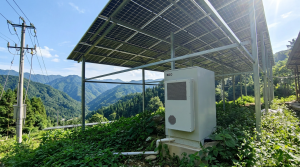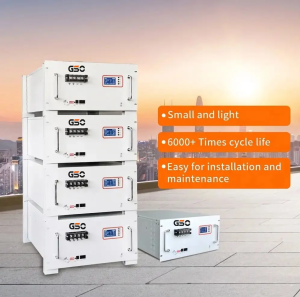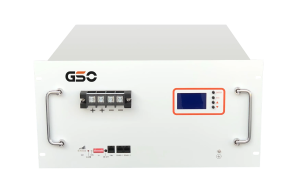

As residential energy projects continue to expand, selecting an appropriate battery voltage becomes a practical decision for system designers and installers. In most home energy configurations, 48V architecture is commonly used because it balances efficiency, safety, and compatibility with inverter systems. When evaluating a solar battery storage system, we often consider how voltage aligns with daily load demand and equipment design. In our engineering practice at GSOpower, we also observe that system integration depends on stable discharge performance and communication between components. Many solar battery storage system configurations are built around modular lithium packs that simplify scaling. At the same time, batteries for solar applications must support consistent cycling and predictable output under residential conditions.
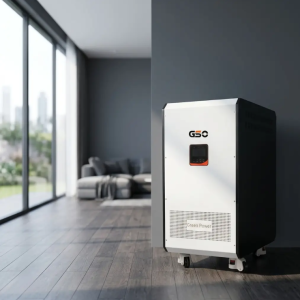
Voltage Design Considerations in Home Systems
In residential planning, voltage selection is closely tied to inverter compatibility and cable efficiency. Lower voltage designs may increase current, which can affect transmission losses over longer cable runs, while higher voltage setups can reduce current demand and improve system stability. A well-designed solar battery storage system often uses a 48V nominal configuration to match hybrid inverter standards used in modern homes. At GSOpower, we integrate this approach into our modular design philosophy to support scalable installations without complex rewiring. For installers, selecting batteries for solar requires attention to cycle life, depth of discharge, and temperature behavior, especially in mixed-use residential environments where loads vary throughout the day.
System Configuration and Modular Expansion
In practical installations, system configuration determines how easily a home can expand its energy capacity over time. Modular rack-based designs allow additional battery modules to be added without replacing the entire setup, which is important for phased residential projects. A modern solar battery storage system is typically paired with hybrid inverters that manage charging schedules based on usage patterns and grid conditions. This structure helps installers adapt storage capacity according to evolving household demand while maintaining consistent electrical performance.
Practical Voltage Selection for Residential Storage
In residential energy storage design, voltage choice is guided by inverter input ranges, safety considerations, and wiring efficiency. A 48V configuration is widely used in many home installations because it reduces current compared with lower-voltage architectures, which can help limit resistive losses in cables. However, 24V and 12V systems may still appear in smaller backup scenarios where energy demand is limited. When selecting components, installers also evaluate batteries for solar based on compatibility with battery management systems and expected cycle profiles under daily charging and discharging. At GSOpower, engineering teams align product design with these practical requirements so that system integration remains straightforward for installers working on residential projects with varying load profiles.