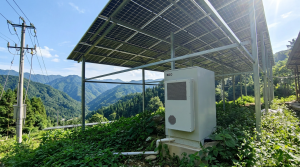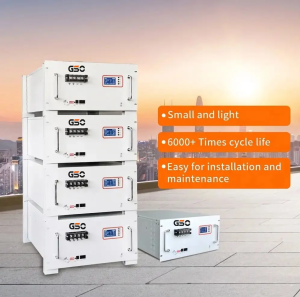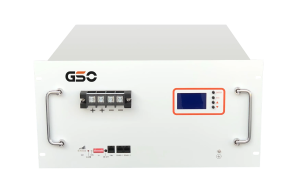

We work at GSOpower with a focus on B2B energy storage applications, and energy density is one of the most important technical indicators when evaluating lithium battery performance. It refers to how much energy can be stored relative to weight or volume, which directly influences system design choices in commercial projects. When engineers assess a solar battery storage system, they do not rely on a single specification but instead compare multiple technical parameters such as discharge stability, thermal response, and usable capacity under load. This approach helps ensure that storage systems can operate reliably in different industrial environments. In real deployment scenarios, we also consider installation constraints and maintenance cycles, since energy density alone does not fully determine system performance in long-term operation. Within GSOpower projects, the solar battery storage system is often configured in modular structures to support flexible scaling across different energy demands. At the same time, the best solar power storage batteries are selected based on consistent testing frameworks rather than manufacturer claims. This allows us to maintain comparability across different lithium chemistries used in commercial energy storage projects.
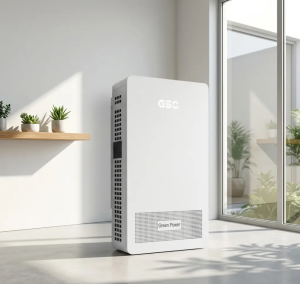
Measuring Energy Density in Practical Testing
When comparing lithium batteries, we start by distinguishing between gravimetric energy density and volumetric energy density. Gravimetric values show energy per kilogram, while volumetric values show energy per cubic meter. In B2B energy storage design, both are necessary because industrial systems must balance space utilization and structural load limits. A solar battery storage system is tested under controlled discharge conditions to evaluate how energy output behaves across different temperatures and load profiles. GSOpower engineers often use standardized cycle testing to reduce inconsistencies between suppliers and ensure fair comparison of performance data. The best solar power storage batteries are those that maintain stable output across repeated cycles while minimizing capacity loss over time. In addition to laboratory testing, field data is collected from operational installations to verify whether real-world performance matches theoretical energy density expectations. This combination of testing methods helps reduce uncertainty in system selection for large-scale projects.
From Data to Deployment Decisions
After energy density data is collected, we translate it into system-level decisions for commercial and industrial projects. A solar battery storage system is evaluated not only by its numerical energy density but also by its compatibility with project load requirements and environmental conditions. GSOpower applies these evaluation results to select configurations that balance efficiency and operational stability. The best solar power storage batteries are integrated into systems only after verifying consistency between lab results and field performance data. This ensures that final deployment decisions are based on measurable technical evidence rather than isolated specifications, supporting more reliable energy storage planning in B2B applications.
Practical Interpretation in Engineering Contexts
Energy density comparison is not an isolated calculation but part of a broader engineering evaluation process. In GSOpower projects, we use it as a reference point to design scalable storage systems that meet industrial energy demand. A solar battery storage system must be evaluated alongside safety, lifecycle, and operational efficiency to ensure long-term reliability. The best solar power storage batteries are not defined by a single metric but by consistent performance across different working conditions. By combining technical analysis with real operational data, we create more stable and predictable energy storage solutions for commercial users. This approach helps bridge the gap between laboratory specifications and actual deployment requirements.