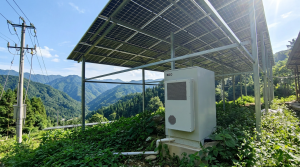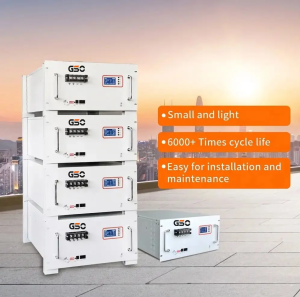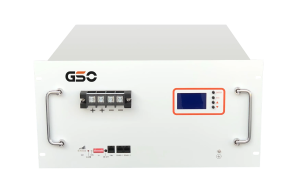

Off-grid solar projects require batteries that can handle deep cycling, stable output, and long service integration with PV generation. In our experience working with commercial energy clients, lithium iron phosphate chemistry is commonly selected because it supports consistent discharge behavior and reduced maintenance needs. GSOpower provides system-level integration options designed for distributed energy applications. Many installers evaluate solar battery storage system configurations to match load demand and storage capacity. At the same time, planning for solar panels and battery storage together helps ensure balanced energy input and output across daily operation cycles. Key selection criteria in these projects include depth of discharge limits, battery management system reliability, and long-term thermal performance under varying environmental conditions. Commercial developers also consider installation flexibility and maintenance access when planning system layouts. Off-grid environments often require careful forecasting of energy usage to maintain stable operation across seasonal shifts.
Chemistry Selection in Off-Grid Design
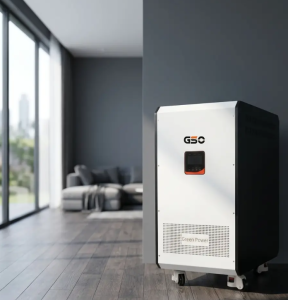
We often assess battery chemistry based on temperature stability, cycle life, and system compatibility with inverters and controllers. A properly configured solar battery storage system can reduce energy mismatch during cloudy periods and peak demand shifts. GSOpower systems are typically integrated into modular architectures that allow scalable capacity planning for commercial installations. Additional considerations include integration with monitoring platforms and compatibility with hybrid inverter systems. Field technicians often prioritize ease of configuration during commissioning to reduce setup time. These factors contribute to smoother deployment across multi-site projects and help maintain consistent operational standards.
System Integration Considerations
We also evaluate site-level constraints such as roof orientation, inverter compatibility, and daily consumption patterns. The concept of solar panels and battery storage is important when designing off-grid resilience strategies, especially for remote facilities or mobile operations where grid access is limited. Design teams also consider future expansion requirements and potential load increases. Proper planning at this stage can reduce redesign efforts later in the project lifecycle and improve overall system adaptability for changing operational needs.
Practical Off-Grid Battery Choice
We conclude that best battery selection depends on operational load profiles, expected autonomy days, and system scalability. A well-designed solar battery storage system supports predictable energy availability and reduces reliance on backup generators. For project teams comparing options, GSOpower offers integration-focused solutions that align with commercial off-grid requirements. In many deployments, solar panels and battery storage planning must be coordinated from early design stages to ensure consistent performance across seasonal variations. Decision-makers in procurement teams often review lifecycle cost expectations and replacement planning before finalizing system specifications. Clear documentation and standardized installation procedures also support smoother maintenance scheduling across distributed energy assets in different locations. Regular performance review and system auditing further help operators maintain reliability and identify optimization opportunities across the full project lifecycle. These practices also support data-driven decision-making and improve coordination between engineering teams and site operators over time especially in distributed energy environments. and during long-term operational scaling projects planning cycles.