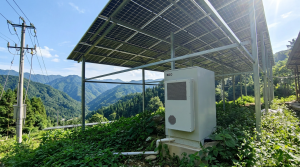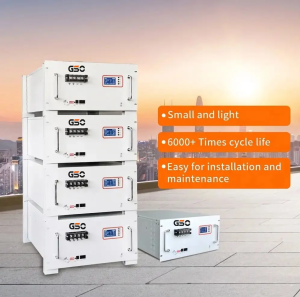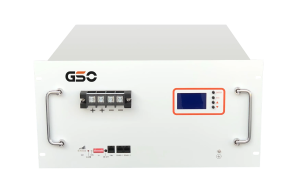

In commercial renewable energy projects, understanding cost structures is essential when planning energy storage deployment strategies. We at GSOpower work closely with project developers to evaluate how system configuration decisions influence project outcomes. The solar battery storage system design plays a central role in determining performance stability and installation requirements. At the same time, solar battery storage cost considerations are influenced by technical specifications and project scale. Different industries, including manufacturing facilities and logistics centers, often require tailored configurations based on energy demand patterns. These factors form the foundation for assessing feasibility before selecting appropriate system architecture for long-term use.

Project Design Considerations
Project planning for commercial energy storage requires attention to both technical and economic variables from the earliest design stage. Within a solar battery storage system, component selection and integration methods significantly influence performance consistency under different operating conditions. We evaluate site-specific factors such as load profile, temperature variation, and available grid connection capacity. Understanding solar battery storage cost drivers helps stakeholders make informed decisions during system procurement and deployment phases. Engineering teams also consider maintenance accessibility and safety requirements when designing installations for long-term operation. These considerations ensure that each configuration aligns with expected usage patterns and project lifecycle expectations.
Operational and Market Drivers
Market conditions and operational strategies both play a significant role in shaping investment decisions for energy storage projects. In a solar battery storage system, operational efficiency depends on cycling behavior, inverter compatibility, and load balancing practices. Regional policy frameworks and grid incentives also influence deployment timing and project viability across different markets. Accurate estimation of solar battery storage cost requires reviewing hardware selection, installation labor, and system scale. We continuously analyze these external and internal factors to improve project planning accuracy for clients. Field data from installed systems provides feedback that supports iterative improvements in design and configuration methods. Commercial users often prioritize scalability and modular expansion when evaluating long-term infrastructure investments. Data monitoring systems are widely applied to track energy flow, detect inefficiencies, and optimize performance over time. Engineering adjustments are frequently implemented to maintain stability under fluctuating demand scenarios. Careful coordination between design teams and project managers ensures smoother execution and reduced delays. Financial forecasting also plays a key role in aligning expectations with actual project outcomes. These combined efforts allow stakeholders to achieve more stable planning frameworks for energy storage deployment. Continuous optimization across design, operations, and maintenance helps ensure long-term system reliability and performance consistency improvement.
Cost Perspective for Future Planning
Several factors influence project budgeting for large energy storage deployments. System size, battery chemistry, installation complexity, and site conditions all contribute to variation in overall investment levels. We at GSOpower focus on practical configurations that help commercial users plan with clearer technical alignment and predictable outcomes. Careful evaluation ensures long-term value while supporting stable system performance across diverse application scenarios. These considerations guide realistic planning for solar energy infrastructure investments. They also help decision makers reduce financial uncertainty effectively overall.