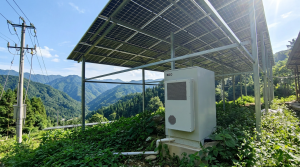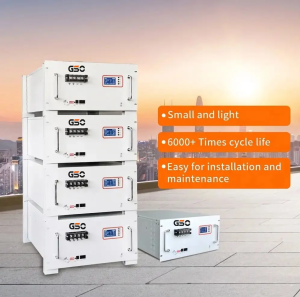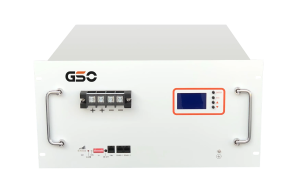

We often receive questions from project developers and energy system integrators about how long modern battery solutions can operate in real applications. In utility-scale and commercial projects, we at GSOpower focus on designing stable configurations that align with long-term operational expectations. A solar battery storage system is typically evaluated based on cycling depth, thermal control, and maintenance practices rather than a single fixed value. In many cases, a lifepo4 solar battery chemistry is selected because it supports consistent performance under controlled charge and discharge conditions. When used in grid support or off-grid installations, system architecture and energy management strategy both influence actual service duration. Our engineering approach emphasizes predictable integration rather than isolated component performance.
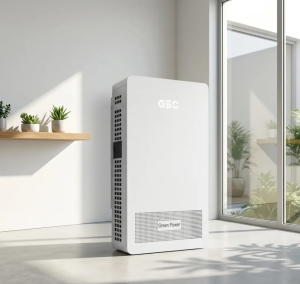
Operational Factors in Field Deployment
We at GSOpower observe that field deployment conditions significantly influence performance consistency. A solar battery storage system installed in commercial environments must account for load variability, temperature swings, and inverter coordination. Proper system sizing and configuration help reduce stress on internal components over time. In addition, a lifepo4 solar battery is often selected for its stable electrochemical structure, which can support repeated cycling under moderate depth of discharge. When integrated into microgrids or hybrid energy projects, control logic and monitoring systems also play a key role in maintaining operational balance. Regular system checks and data analysis allow operators to identify performance drift early and adjust usage patterns accordingly. Our experience shows that careful planning during the design phase can improve long-term operational stability without relying on frequent hardware replacement.
System Lifespan Considerations
We at GSOpower analyze lifecycle performance by reviewing how energy throughput and environmental conditions interact over time. A solar battery storage system typically demonstrates different service durations depending on usage intensity, depth of discharge, and thermal regulation quality. In controlled applications, degradation is gradual when operating within recommended parameters. A lifepo4 solar battery chemistry provides structural stability that supports extended cycling compared with some alternative chemistries, especially when paired with appropriate battery management systems. Our technical teams also evaluate communication between control units and storage modules to ensure balanced operation. By aligning system design with realistic load profiles, operators can maintain consistent functionality over longer operational periods without unexpected interruptions.
Practical Takeaways for Long-Term Use
We at GSOpower summarize that system longevity depends on how well design decisions, installation quality, and operational practices align with real site conditions. Service life is influenced by how consistently equipment is maintained and how effectively energy loads are managed across different seasons. Operators benefit from monitoring performance data and adjusting system settings when operating environments change. Careful attention to thermal conditions and charge management can reduce stress on storage components. By applying structured maintenance routines and system-level thinking, project owners can achieve more predictable outcomes in energy storage deployments without unnecessary complexity. These practices support stable operation across diverse commercial and industrial applications where long-term reliability is a planning priority for project stakeholders involved in energy infrastructure development over extended operational time horizons considered important.