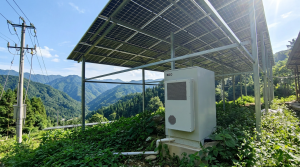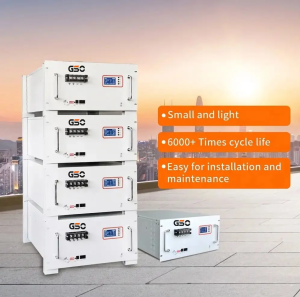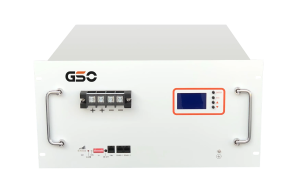

Protecting residential properties requires uninterrupted vigilance, yet standard electrical grids remain vulnerable to sudden storms, accidents, and unexpected rolling blackouts. When main power fails, security cameras, motion sensors, and control panels may shut down without alternative energy sources to maintain continuous operations.
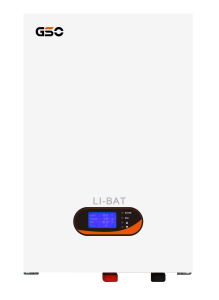
Property owners frequently overlook this vulnerability until a blackout compromises their physical security infrastructure at the most inopportune moment. Engineers at GSOpower recognize that establishing reliable emergency power is no longer optional for modern households striving for complete peace of mind. Navigating the technical landscape of auxiliary power units begins with understanding how low-voltage electronics draw current during prolonged grid disruptions.
Understanding Power Vulnerabilities in Residential Security
Most modern security networks rely on continuous alternating current wall power converted down to low-voltage direct current inside dedicated control hubs. When the main grid collapses, internal transformers instantly lose input voltage, leaving security components entirely reliant on auxiliary reserve cells. Traditional lead-acid batteries degrade rapidly and often fail to provide sufficient runtime during extended winter storms or summer heatwaves.
Installing a robust battery backup for home applications ensures that intrusion sensors, sirens, and cloud communicators remain fully operational without interruption. Homeowners must assess their total system wattage draw to determine how long auxiliary units can sustain active monitoring protocols.
Surge protection and voltage stability represent critical factors during grid restoration phases when sudden voltage spikes can fry delicate circuit boards. Quality energy storage units incorporate intelligent power management systems that isolate sensitive security electronics from erratic utility fluctuations. Failing to account for reactive loads or unstable charging currents can shorten the operational lifespan of auxiliary modules significantly.
Proper load planning guarantees that emergency circuits prioritize critical life-safety devices over non-essential household appliances during emergency scenarios. Comprehensive electrical assessment shields your property from unexpected blind spots during extended grid failures.
Selecting the Right Energy Storage Chemistry and Capacity
Transitioning from outdated lead-acid chemistry to modern lithium iron phosphate technology revolutionizes residential emergency preparedness. Advanced LiFePO4 cells deliver exceptional thermal stability, higher energy density, and thousands of deep charge cycles without sudden capacity drops. Selecting a dedicated battery backup for home alarm system requires evaluating amp-hour ratings, nominal voltage outputs, and physical mounting constraints.
Lithium packs maintain steady voltage delivery right up until full depletion, whereas older chemical variants suffer from voltage sag under heavy loads. Choosing high-purity Grade A cells ensures reliable performance across extreme ambient temperatures ranging from freezing winters to scorching summers.
At GSOpower, we design modular energy storage solutions that integrate smoothly with diverse residential security architectures and solar setups. We also help homeowners assess their daily consumption to size storage capacity accurately—without paying for excessive, unused headroom.
Smart battery management firmware continuously monitors cell health, preventing over-charging, short circuits, and thermal runaway conditions automatically. Compact wall-mounted or wheeled cabinet designs allow effortless placement in utility closets or garages without cluttering living spaces. Selecting certified equipment guarantees compliance with rigorous international safety standards and insurance guidelines.
Integrating Backup Units with Existing Control Panels
Connecting a battery backup for home alarm system to existing security hubs demands careful attention to wiring polarity, terminal ratings, and communication protocols. Incompatible voltage outputs can permanently damage main control boards or trigger false alarms that burden local emergency responders.
Professional installers verify that relay switches and transfer times meet rapid response thresholds to prevent even a millisecond of system downtime. Modern lithium storage systems feature intuitive digital displays and plug-and-play wiring harnesses that streamline the physical connection process. Establishing correct integration protocols ensures that auxiliary power transfers happen silently and invisibly in the background.
Proper system synchronization also involves configuring smart communication interfaces that report battery health metrics directly to mobile monitoring applications. Real-time visibility into state-of-charge levels allows homeowners to detect minor charging anomalies before they escalate into critical hardware failures.
Firmware updates and remote diagnostic tools reduce the need for costly on-site technician visits while keeping security software fully up to date. Testing the backup loop under simulated grid-failure conditions verifies that sirens, backup communicators, and door contacts retain full functionality. Rigorous commissioning practices eliminate unpleasant surprises when actual emergencies strike unexpectedly.
Establishing Routine Maintenance for Long-Term Reliability
Maintaining auxiliary energy storage infrastructure requires minimal effort compared to traditional combustion generators, but routine checks remain essential. Dust accumulation, loose terminal connections, and obstructed ventilation paths can gradually impede thermal dissipation and reduce overall charging efficiency.
Implementing a quarterly inspection schedule ensures that physical cabling remains secure and indicator lights report normal operational statuses. A well-maintained battery backup for home network delivers dependable service across more than a decade of continuous deployment. Proactive upkeep preserves capital investment value and guarantees unwavering security readiness.
Our technical support teams at GSOpower emphasize that preventive care is the cornerstone of foolproof residential protection against unpredictable grid failures. Reviewing historical cycle logs and firmware diagnostics helps identify minor capacity attenuation long before it affects daily emergency readiness.
Establishing clear maintenance protocols transforms passive backup equipment into an active, highly dependable shield for your family and property. Homeowners who invest time in proper system stewardship enjoy absolute confidence knowing their security infrastructure will never go dark. Diligent oversight completes the cycle of safety, turning technological hardware into enduring peace of mind.