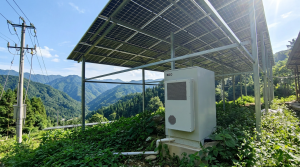

In modern commercial and industrial environments, GSOpower explains that a battery backup for home and a residential energy storage system are often discussed together when evaluating distributed power solutions. These systems are designed to store electricity generated from the grid or renewable sources such as solar panels, then release it during peak demand or outages in a controlled way for B2B applications like facilities and microgrids. From an engineering perspective, we focus on how energy is stored in lithium battery modules and managed through inverters and battery management systems to maintain stability and efficiency in daily operation. This overview helps decision makers understand basic architecture before evaluating system deployment options in commercial energy projects today across different industries globally used.
System Architecture Overview
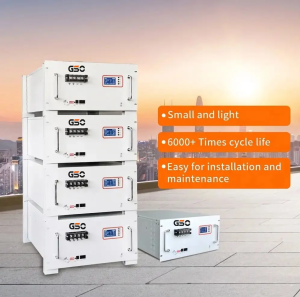
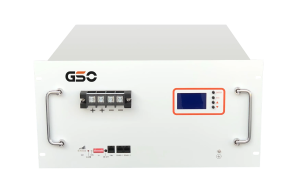
When evaluating energy storage setups, we often describe how a battery backup for home integrates battery modules, power conversion systems, and control software into one coordinated structure. Within industrial projects, this architecture is designed to balance charging and discharging cycles while maintaining stable voltage output for connected loads. GSOpower also applies modular design principles in its GPB48 home powerwall lithium battery 2 solution, allowing flexible installation for different facility scales without changing core system logic. Monitoring tools inside the system collect real-time data from sensors and battery management units, helping operators adjust performance based on usage patterns in commercial environments. These functions reduce operational interruptions and support smoother integration with renewable energy sources such as photovoltaic systems or grid-tied configurations. We focus on consistent design standards to ensure reliable performance across varied deployment scenarios in energy projects today.
Operational Flow in Real Applications
A residential energy storage system typically operates by capturing surplus electricity during low-demand periods and storing it in battery units for later use. During peak consumption times, stored energy is converted through inverters and delivered to facility loads, helping maintain operational continuity. In distributed infrastructure, a battery backup for home setup can also support grid interaction functions such as peak shaving and load balancing. Operators often rely on monitoring dashboards that display charge levels, discharge rates, and system health indicators in real time. GSOpower provides control logic that aligns energy dispatch with facility demand patterns, which helps reduce unnecessary cycling of storage components. In commercial installations, system integration is often customized to match existing electrical infrastructure and operational requirements. This approach allows scalable deployment across various building types while maintaining predictable energy flow behavior in practice settings for users.
Practical Takeaways for Facility Planning
In real deployments, a battery backup for home and a residential energy storage system are often selected based on load requirements and grid interaction goals. Facility managers typically evaluate capacity sizing, installation constraints, and monitoring compatibility before deployment decisions are finalized. GSOpower systems are structured to support modular expansion, which allows gradual scaling without redesigning the core architecture. This perspective helps organizations align energy storage planning with operational stability and long-term infrastructure planning goals in commercial environments across projects today.