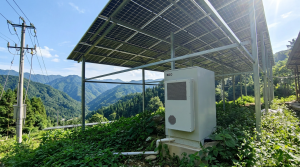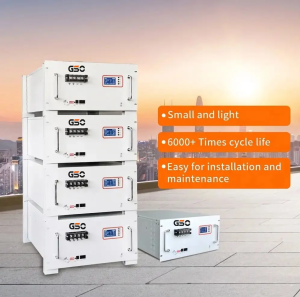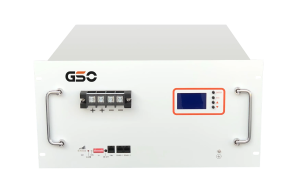

In real-world energy storage planning, capacity numbers often look straightforward on paper but behave differently in actual operation. We at GSOpower often explain to our B2B partners that understanding energy capacity is not only about numbers on a label but also about real operating conditions in the field. In many deployments, a Portable Solar Power Station is evaluated based on both usable output and nameplate specifications. The difference between these two values can affect system planning, especially when clients integrate storage into commercial or remote applications. At the same time, portable solar batteries are often selected for their discharge efficiency and stability under varying loads, which makes capacity interpretation important during system design. We focus on helping project teams align expectations with actual energy delivery performance. This helps ensure practical deployment decisions in projects consistently across use cases.
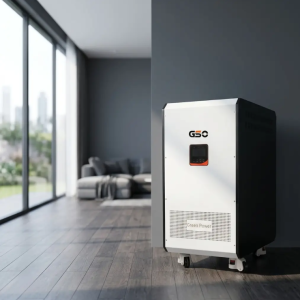
Understanding Usable and Nameplate Definitions
From our experience at GSOpower, usable capacity refers to the portion of stored energy that can be practically delivered after accounting for system losses and safety limits. In contrast, nameplate capacity describes the theoretical maximum rating provided by the manufacturer under ideal conditions. When a Portable Solar Power Station is used in field operations, temperature, discharge rate, and inverter efficiency can reduce usable output compared to the labeled value. Similarly, portable solar batteries behave differently depending on cycle depth and load variation across industrial environments. We help clients evaluate these differences during system sizing and project planning stages. It allows engineering teams to avoid overestimating performance while maintaining realistic expectations for off-grid and hybrid installations in commercial energy projects and ensuring system design aligns with actual operational constraints observed in deployment scenarios across varied field applications and use cases multiple.
System Design Implications in Real Projects
In practical system design, we often communicate how capacity ratings influence load planning and energy scheduling in distributed installations. A Portable Solar Power Station must therefore be evaluated not only by its labeled specification but also by its sustained discharge behavior over time. Similarly, portable solar batteries require careful consideration of usable output when integrated into hybrid energy systems for industrial clients. At GSOpower, we align system recommendations with real-world operating data gathered from field deployments. We emphasize transparent capacity interpretation so project teams can size storage systems more accurately and reduce mismatches between expected and actual performance in remote installations, microgrids, and commercial backup environments while maintaining stable operation under varying load conditions and seasonal demand changes across different regions and application scenarios supported by our engineering guidance and deployment experience within practical industrial energy planning contexts frameworks systems.
Practical Takeaways for Energy Planning
We consider capacity transparency an important part of how we design and evaluate energy storage solutions for professional applications. In our work at GSOpower, we aim to help clients interpret performance data in a way that reflects real operating conditions rather than theoretical ratings. This approach supports more predictable system behavior in field environments where load variation is common. By focusing on practical interpretation, we help project teams make decisions that align with deployment needs and long-term operational requirements consistently.