- +(86) 514-87520588
- norah@gsopower.com
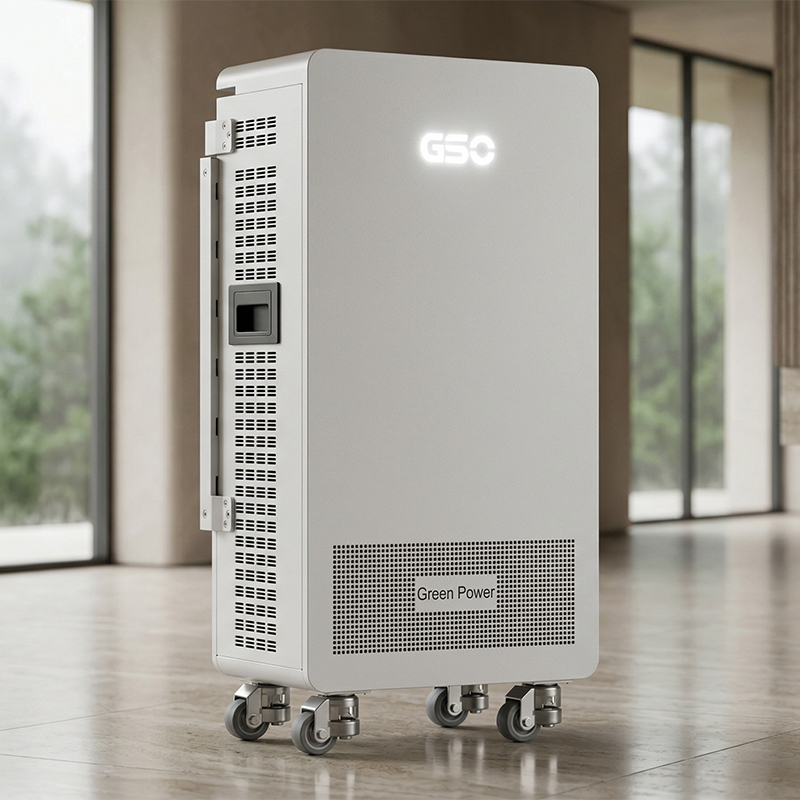

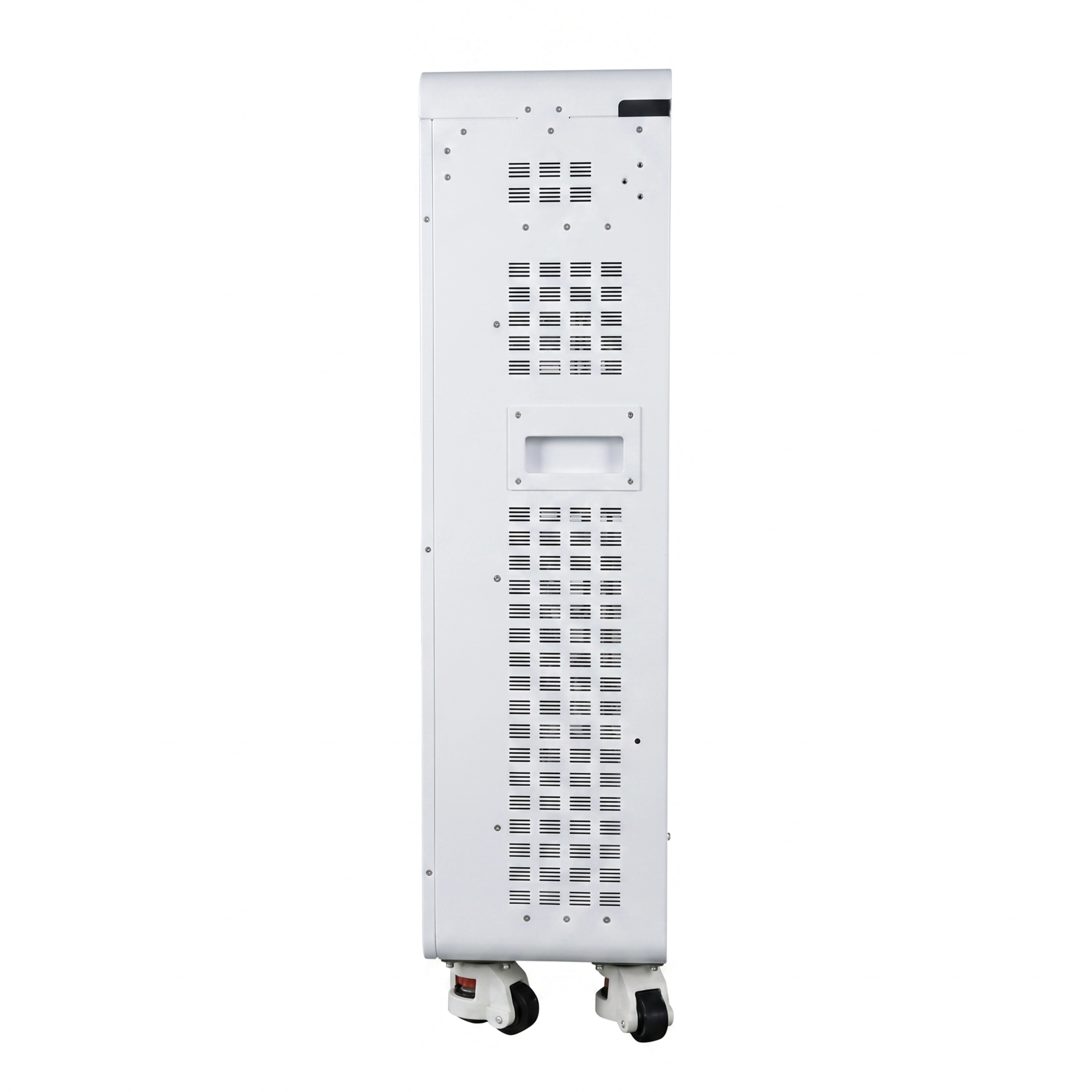
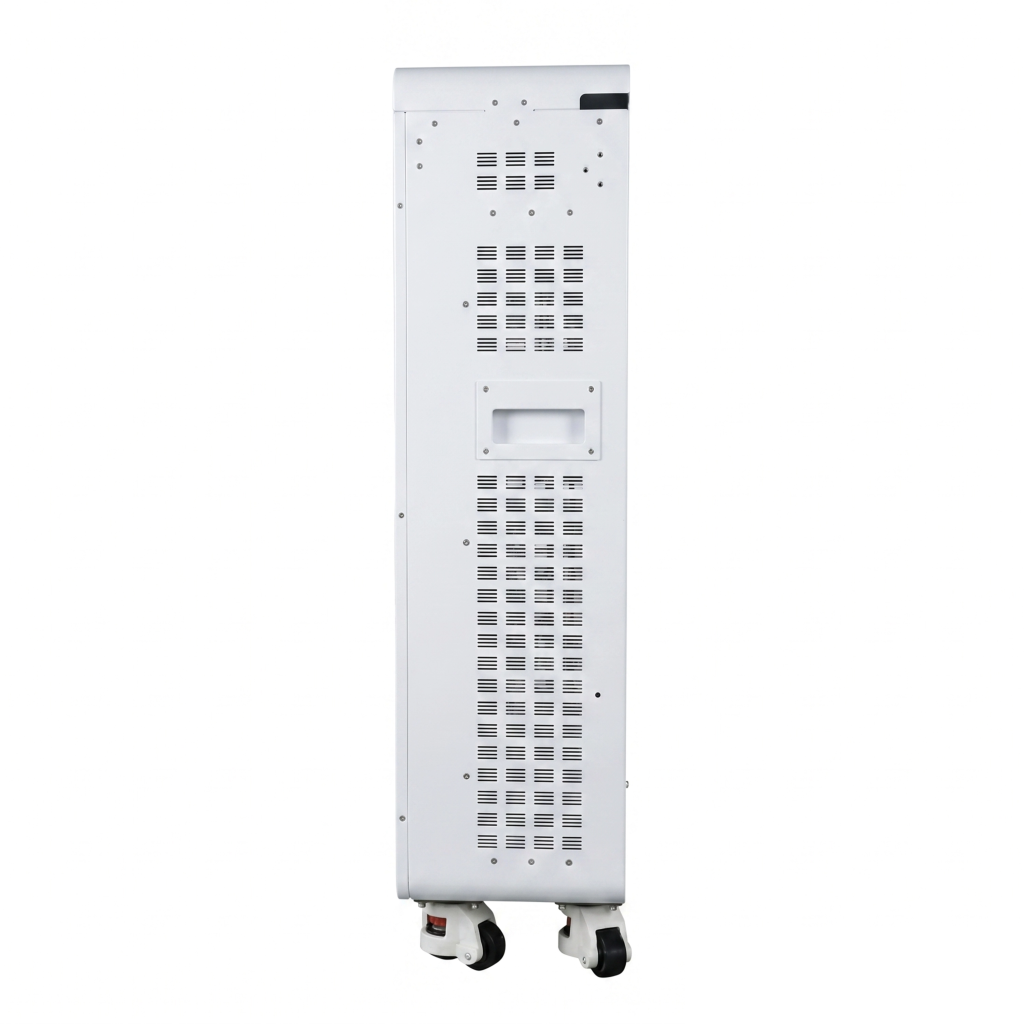
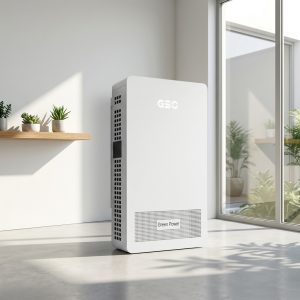
| Model | GBP-PRO-II Series |
| Style | Wheel Type |
| Cell | REPT、EVE、etc |
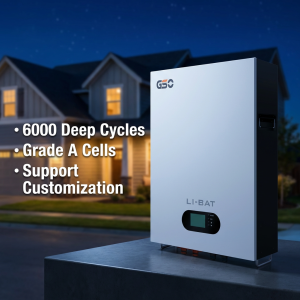
| Cycle | 6000+ times |
| Life | 10 years |
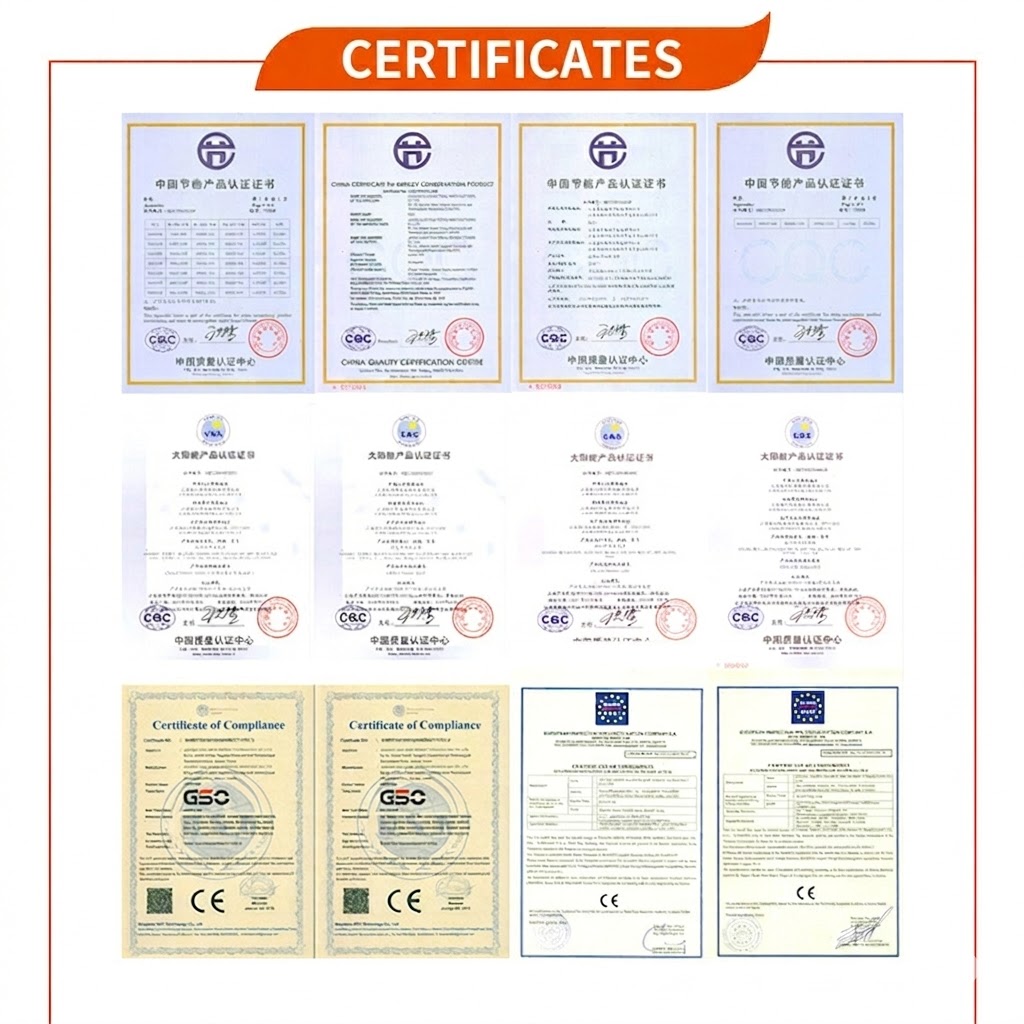
| Certificate | CE 、MSDS、UN38.3 |
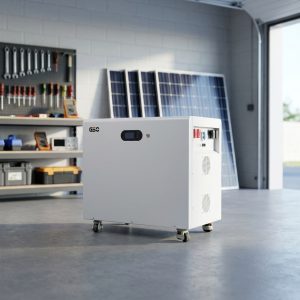
No separate inverter to mount. No battery cables to run between units. The GSL48-3.5K combines a 3,500W hybrid inverter and a 5kWh LiFePO4 battery in a single wheeled cabinet. Unbox, position, connect PV and loads — done.
Wheeled cabinet design means no wall fixings, no structural assessment, no permanent installation. Roll it between rooms, move it between sites, or relocate it when the tenant moves out. Ideal for rentals, temporary installs, and small commercial sites that don't want a permanent system.
Grid-tied with anti-backflow, off-grid output, or hybrid — switch between modes via APP or on-device. Charging modes: solar only, grid priority, solar priority, or hybrid. The system manages the logic automatically based on what you set.
Single MPPT input handles up to 5,500W of PV array. Tracking efficiency at 99.9% means virtually no energy lost between the panel and the battery. DSP control with advanced algorithms responds fast to changing sunlight conditions.
When the grid goes down, the GSL switches to battery output in under 10ms. Most appliances — fridges, routers, lights — don't register an interruption that short. No UPS, no generator, no manual switching.
Real-time system data on your phone — battery state, PV input, load output, fault codes. Modify parameters remotely. Wi-Fi and 4G supported. Useful for installs in holiday homes, remote sites, or properties your team can't visit easily.
Model | GBP-Pro-II Series | |||||
48-100 | 48-200 | 48-314 | 51.2-100 | 51.2-200 | 51.2-314 | |
Nominal Voltage (V) | 48 | 51.2 | ||||
Nominal Capacity (Ah) | 100 | 200 | 314 | 100 | 200 | 314 |
Operating Voltage Range (V) | 42~54.75 | 42~54.75 | ||||
Recommended Charging Voltage (V) | 51.75 | 55.2 | ||||
Recommended Discharge Cut-off Voltage (V) | 45 | 48 | ||||
Standard Charge/ Discharge Current (A) | 0.5C | |||||
Maximum Continuous Charge/Discharge Current (A) |
50/100 | 200 | 150 | 50/100 | 200 | 150 |
Allowable Humidity Range(%RH) | 85 | |||||
Storage Temperature (℃) | 30~60(Recommended10~35) | |||||
Charging Temperature (℃) | 0~55/-20~55(with heating function) | |||||
Protection Level | IP20 | |||||
Cooling Method | Natural Air Cooling | |||||
Cycle Life (Cycles) | ≥6000 | |||||
Communication Interface | CAN/RS485 | |||||
WIFI Module | Built-in Wi-Fi + Bluetooth | |||||
Capacity Expansion | Max. 20 modules in parallel (up to 48 for special applications) | |||||
Maximum Dimension (D*W*H)mm | 630*375*170 | 655*400*260 | 480*246*990 | 630*375*170 | 655*400*260 | 480*246*990 |
Weight(kg) | 48 | 94 | 145 | 50 | 94 | 148 |
An all-in-one solar power station integrates a hybrid inverter, LiFePO4 battery, MPPT charge controller, and BMS protection into a single pre-wired unit. The GSL series combines a 3,500W inverter, 5kWh battery, and 99.9% MPPT controller — factory tested and ready to deploy without additional wiring or component sourcing.
The best portable solar power station is one that offers high integration, mobility, and long cycle life. The GSL series from GSO Power is a top contender, particularly the Wheel Type PV & Battery Energy Storage Integrated Machine. It features a wheeled chassis for flexible on-site deployment and integrates a hybrid inverter with energy storage batteries, making it a “plug-and-play” solution for residential and commercial use.
Yes. Beyond providing emergency backup, systems like the GSL-Easy Stack Series offer intelligent solar-storage scheduling. They utilize peak shaving and valley filling functions—charging during off-peak hours and discharging during peak demand—to effectively reduce electricity costs and maximize self-consumption rates.
Modern portable power stations, such as the GSL48-3.5K-5kWh, include built-in MPPT (Maximum Power Point Tracking) trackers. You simply connect your PV array to the dedicated DC input ports. The system handles the voltage regulation (70-450V range) with a tracking efficiency of 99.9% to ensure maximum energy harvest.
Selection should be based on your load and required runtime:
Output Power (W): Determines which appliances can run simultaneously. For example, the GSL48-3.5K provides 3500W rated power, enough for standard household appliances.
Capacity (Wh): Determines how long those appliances will run. GSO offers modular options ranging from 5kWh to 30kWh for extended autonomy.
Lithium Iron Phosphate (LiFePO4) is the industry standard due to its superior safety and longevity. GSO Power’s LiFePO4 cells provide a design service life of over 10 years and an industry-leading cycle life of up to 5,000 cycles at 80% DOD, far outperforming traditional lead-acid or standard lithium-ion batteries.
A 3000W system (similar to the GSO 3500W rated model) can run most essential household loads, including:
Refrigerators and freezers.
Power tools and water pumps.
Microwaves and coffee makers.
Home office setups (multiple laptops, monitors, and networking gear).
A 5000W system, such as the GSL48-5.5K-10kWh, handles high-power appliances that a 3000W system cannot, such as:
Air conditioning units.
Washing machines and dryers.
Electric ovens or induction cooktops.
A 400W solar panel typically generates 1.6kWh to 2kWh of energy per day. This is sufficient to:
Power energy-efficient LED lighting for a whole house.
Charge multiple laptops and smartphones.
Run a high-efficiency DC fan or CPAP machine.
To support a 3000W inverter effectively, a battery capacity of at least 5kWh (100Ah at 48V/51.2V) is recommended. This ensures the battery can handle the discharge current required for a 3000W load without excessive voltage drop or overheating.

+(86) 18021324160
WhatsApp us