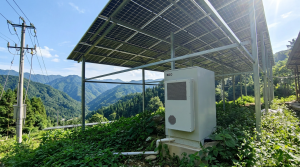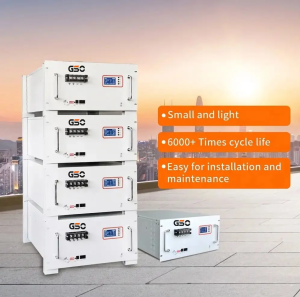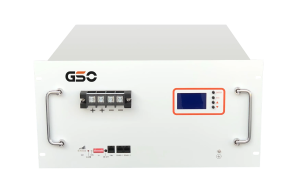

As off-grid living gains momentum, the combination of solar panels and battery storage presents an effective solution for energy independence. This integration allows individuals and businesses to harness solar energy and store it efficiently for later use, providing a sustainable and reliable energy source away from traditional power grids. gsopower, specializing in energy storage manufacturing, offers advanced solutions that enable seamless connectivity between solar panels and solar battery storage systems. This article will explore how to effectively connect these components for optimal off-grid living.
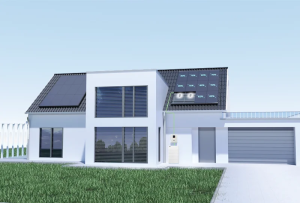
Understanding the Components of Solar Energy Systems
To effectively harness solar power for off-grid living, one must understand the essential components: solar panels, a charge controller, solar battery storage, and an inverter. Solar panels capture sunlight and convert it into electricity, while solar battery storage units hold this energy for future use. The charge controller regulates the flow of energy between the panels and the batteries, ensuring that the batteries are charged efficiently without overloading. Meanwhile, the inverter converts stored DC power into AC power for household or business use.
gsopower’s solar battery storage systems are designed to work seamlessly with solar panels, offering robust performance and high energy efficiency. By ensuring compatibility during installation, users can maximize both their energy generation and storage capabilities.
Installation and Connection Process
The process of connecting solar panels and battery storage involves several key steps, which can vary based on the specific products used. Here’s a general outline:
Site Assessment: Evaluate the space for solar panel placement to ensure maximum sunlight exposure. Conducting a load analysis helps determine the battery storage capacity required based on usage patterns.
Installing Solar Panels: Securely install the solar panels on the roof or in a sunny outdoor area. Proper positioning optimizes energy capture throughout the day.
Setting Up the Charge Controller: Connect the solar panels to the charge controller. This device manages energy flow and protects the batteries from overcharging.
Connecting Solar Battery Storage: Link the solar battery storage units to the charge controller, ensuring that connections adhere to safety standards. gsopower’s advanced battery systems include installation guidelines that help simplify this process while ensuring safety and efficiency.
Inverter Installation: Finally, connect the inverter to the solar battery storage. This step enables the conversion of stored energy into usable electricity for appliances and devices.
By following these steps, off-grid users can create a reliable energy system that meets their power needs while minimizing reliance on external sources.
Benefits of Off-Grid Solar Systems
Integrating solar panels and solar battery storage provides numerous benefits for off-grid living:
Energy Independence: By generating and storing energy, individuals and businesses can operate autonomously without relying on traditional power grids. This independence is particularly valuable in remote areas where electricity access is limited.
Cost Savings: Although there is an initial investment involved in solar installation, the long-term savings on energy bills can be substantial. gsopower’s solar battery storage solutions allow users to harness energy during peak solar hours and utilize it when electricity prices are higher.
Sustainability: Utilizing renewable energy through solar panels contributes to lower carbon footprints and promotes environmental sustainability. gsopower prioritizes eco-friendly manufacturing practices, ensuring that customers can feel confident in their energy choices.
Building a Sustainable Energy Future
The connection between solar panels and solar battery storage is essential for successful off-grid living. With gsopower’s innovative products and commitment to quality, businesses and individuals can achieve energy independence and sustainability without compromising performance or incurring excessive costs. By leveraging solar energy, users can not only secure their energy needs but also contribute positively to the environment. Embracing this technology positions clients to thrive in a future increasingly defined by renewable energy solutions.