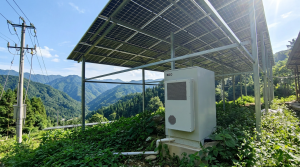

Establishing a resilient and modern domestic microgrid requires an intentional balance between mechanical capacity and daily property performance. Relying strictly on a centralized electrical utility provider leaves modern households exposed to rolling blackouts and volatile tariff structures. Integrating a unified All-in-One Solar Power System resolves these vulnerabilities by centralizing generation management and backup components into a single footprint.
This compact physical configuration simplifies home integration while keeping conversion losses remarkably low compared to older component-scattered designs. Harnessing your own rooftop resources yields predictable baseline operations through every season of the year. We recognize that taking this step represents a practical, long-term commitment to individual structural self-sufficiency.
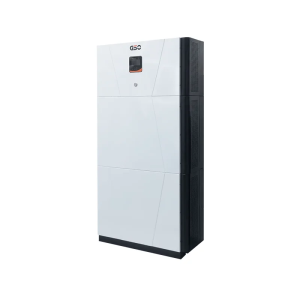
Deciphering the Core Mechanics of Unified Energy Units
Consolidated power systems function as an intelligent centralized bridge between solar generation lines, local storage cells, and the property grid. Photovoltaic cells harvest direct current electricity which passes instantly into the internal high-voltage management processor. This integrated brain decides whether to direct that electricity into the building network or save it for evening usage.
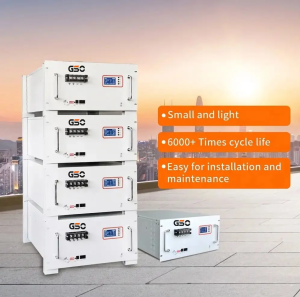
The internal physical framework combines heavy-duty bidirectional inversion circuitry with dense lithium battery matrices. Having these interconnected sub-systems share a single structural housing maximizes overall transmission efficiency. It creates a robust, unified electrical foundation that reacts instantly to changes in external power supply behavior.
Determining the Ideal Kilowatt Hour Capacity for Your Load
Sizing a multi-component backup platform demands an analytical review of your historical utility statements and daily consumption trends. Homeowners must separate essential baseline loads, like refrigeration and lighting, from heavy optional appliances like pool heaters. Calculating your targeted hours of complete electrical autonomy prevents purchasing an undersized or costly configuration.
System dimensions must scale proportionally to match both seasonal weather patterns and evening electrical demands. Selecting the correct depth of discharge parameters ensures that you harvest sufficient usable energy without overstressing internal cells. Achieving this equilibrium maintains operational security during prolonged regional utility grid failures.
Streamlining System Deployment via Smart Component Choice
Traditional renewable retrofitting often demands extensive installation hours, specialized debugging tools, and complex external communication loops. Selecting an all-in-one energy storage system drastically simplifies field deployment steps for certified engineering teams. The pre-wired internal architecture allows installers to establish quick connections without executing tedious point-to-point field wiring.
Our collective focus at GSOpower centers on designing these integrated, installer-friendly solutions to eliminate project configuration friction globally. Our unified frameworks remove the need for external distribution components, lowering total labor costs for property owners. Simplifying the physical setup phase minimizes human error risks during the initial system commissioning process.
Integrating Digital Signal Processing for Uncompromised Control
Managing simultaneous electrical inputs from solar panels and batteries requires extreme data computational speeds. Modern hardware incorporates dedicated processors to sample electrical waveforms thousands of times per second. This rapid scanning allows internal circuits to adapt dynamically to sudden home electrical voltage changes.
Our hardware uses DSP control, monitoring algorithms, and multiple warning functions to support system protection. This advanced digital management prevents localized electrical shortages from traveling toward your delicate household electronics. Maintaining real-time oversight over power execution safeguards the physical integrity of the entire property layout.
The Benefits of Lithium Iron Phosphate Chemical Engineering
Older backup storage configurations frequently relied on heavy lead-acid cells that demanded frequent physical maintenance and external ventilation. Modern clean energy systems overwhelmingly utilize advanced lithium iron phosphate cells for residential applications. This specific chemistry delivers exceptional thermal stability and completely eliminates the risk of dangerous overheating.
These robust cells support thousands of deep charge and discharge cycles before showing any minor capacity degradation. Opting for this stable composition ensures a long hardware lifespan under demanding environmental conditions worldwide. It represents the modern standard for operators who value physical safety and long-term asset durability.
Practical Planning for Inverter Surge Capacity Requirements
Beyond calculating total storage hours, users must evaluate the peak startup power of motorized electronic appliances. Heavy induction motors found inside central air conditioning units draw massive current spikes during their initial startup phase. Your central conversion inversion hardware must possess sufficient surge capacity to handle these instantaneous loads safely.
Failing to match surge requirements can cause safety circuit breakers to trip repeatedly during emergency standby operations. Evaluating these continuous versus peak power parameters guarantees that your appliances run smoothly when grid disconnects happen. It remains a vital engineering detail that ensures your household retains complete operational normalcy.
Long Term Asset Care and Remote Performance Tracking
Maintaining peak performance across a multi-component energy platform is far simpler when all technical metrics consolidate. Smart monitoring applications track real-time solar inputs, active battery capacity, and output load statistics simultaneously. Keeping the external cabinet vents clear of heavy dust ensures the internal cooling loops work optimally year-round.
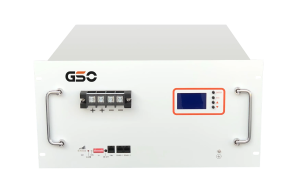
Automated internal software systems run background diagnostics to flag potential errors before they disrupt your daily routines. We focus on building reliable equipment that delivers clear on-screen status notifications to simplify troubleshooting. Consistent digital oversight preserves cell health, ensuring your hardware asset maintains a predictable, multi-decade operational lifecycle.
Conclusion
Accurately evaluating your baseline load profiles guarantees that your property secures an ideal balance of storage depth and solar harvesting capability. Investing in an advanced all-in-one energy storage system builds a dependable shield against volatile pricing and central utility failures. This planned integration of an All-in-One Solar Power System ensures your household enjoys clean, uninterrupted electricity day and night.
At GSOpower, we continue to refine our multi-layer safety architecture to bring industrial-grade control into everyday residential spaces. Transitioning to integrated technology minimizes maintenance friction while maximizing the long-term economic return of your clean energy investment.