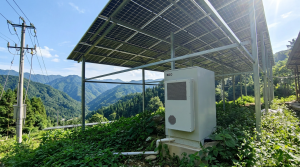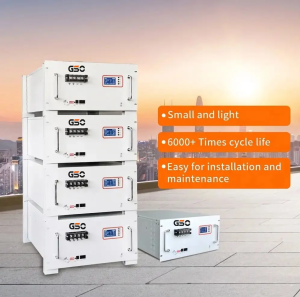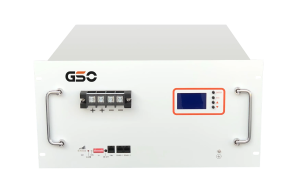

When evaluating mobile auxiliary power choices, consumers frequently weigh silent photovoltaic units against traditional combustion generators and bulky lead-acid setups. Choosing the right energy source requires understanding how internal chemistry, mechanical complexity, and recharging capabilities affect usability.
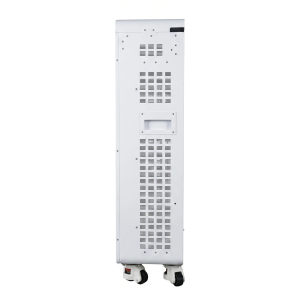
Combustion engines provide heavy continuous wattage but demand constant fuel hauling, oil changes, and toxic exhaust management. In contrast, modern electrochemical alternatives utilize advanced lithium iron phosphate chemistry to deliver clean energy on demand. Selecting the optimal device depends heavily on whether an application requires remote field operation or silent residential backup.
Architectural Distinctions Between Portable Storage and Fuel Generators
Traditional gasoline generators have long dominated outdoor job sites and emergency response scenarios due to their raw output capacity. However, internal combustion machines involve moving parts that create persistent noise pollution, mechanical vibration, and high thermal signatures. Operating fossil-fuel equipment indoors is strictly prohibited due to deadly carbon monoxide accumulation, restricting their use to open-air environments.
Conversely, a high-capacity portable solar power station operates silently without emitting harmful greenhouse gases or requiring liquid fuel storage. This fundamental architectural difference allows clean energy systems to function safely inside tents, vehicles, or enclosed utility rooms during unexpected blackouts.
Maintenance profiles further separate clean electrochemical solutions from traditional combustion machinery across long-term operating lifecycles. Gas engines require frequent spark plug replacements, carburetor cleaning, and meticulous fuel stabilizer management to prevent gumming during storage. Modern power units reduce these cumbersome maintenance routines entirely through solid-state electronic architecture and automated thermal management systems.
At GSOpower, our engineering teams prioritize user-friendly designs that minimize manual upkeep while maximizing component reliability in harsh field conditions. Users simply recharge units using solar panels or wall outlets, bypassing the logistical headaches associated with transporting explosive gasoline containers.
Comparing Energy Density and Weight Against Traditional Battery Banks
Stationary off-grid energy storage systems often rely on heavy lead-acid or bulky modular battery configurations designed for permanent residential installations. While these traditional setups deliver massive cumulative kilowatt-hour capacities, their sheer weight and immobile framing prevent effortless transport. Transporting heavy energy storage equipment between remote work sites or recreational camps requires specialized utility vehicles and considerable physical labor.
A dedicated portable solar panel battery combines high-density lithium cells with integrated inverters into compact enclosures that simplify physical movement. This integration reduces total system footprint while preserving the robust power output required by demanding electrical loads.
Energy density metrics reveal striking efficiency advantages when comparing modern lithium iron phosphate cells to older lead-acid alternatives. Lithium technology stores significantly more energy per kilogram, allowing manufacturers to reduce overall equipment mass without sacrificing usable output wattage. Furthermore, deep-cycle lithium cells tolerate substantial depth-of-discharge levels without suffering rapid capacity degradation.
We at GSOpower incorporate advanced battery management firmware to monitor individual cell voltages, preventing overcharging and thermal runaway risks.These protective measures ensure that lightweight enclosures maintain structural integrity and electrical safety across thousands of rigorous charge cycles.
Real-World Deployment in Outdoor Recreation and Mobile Workspaces
Outdoor recreation enthusiasts and remote field researchers face unique logistical challenges when powering sensitive electronics away from standard utility grids. Traditional fuel generators are often too loud and cumbersome for quiet campsites or wildlife observation posts where acoustic disturbance ruins the environment. Portable energy solutions fill this niche well by delivering stable alternating current with minimal impact on surrounding ecosystems or fellow travelers.
Photovoltaic charging capabilities allow users to replenish their energy reserves indefinitely using sunlight while camping in remote wilderness locations. This renewable replenishment cycle reduces anxiety about running out of fuel far away from civilization.
Mobile workspaces, mobile clinics, and outdoor film crews also benefit immensely from deploying a versatile Portable Solar Power Station during active operations. Operating sensitive computers, medical diagnostic tools, and professional broadcast equipment demands clean, regulated sine wave power free from voltage sags.
Combustion generators frequently produce dirty electricity with harmonic distortion that can fry delicate microprocessors unless heavy external line conditioners are attached. Integrated electronic inverters provide pristine alternating current output that safely powers sophisticated electronics without requiring bulky external voltage regulation accessories. This plug-and-play reliability keeps professional operations running smoothly in challenging geographical locations.
Emergency Preparedness and Standby Reliability Evaluation
Disaster resilience planning requires energy storage systems that remain instantly ready for deployment during sudden severe weather events and grid failures. Stationary standby generators need regular exercise cycles and manual fuel valve checks to ensure they start when utility lines collapse. In contrast, fully charged lithium energy storage units sit silently on standby for months without losing significant charge or requiring mechanical intervention.
When blackouts strike, advanced electronic switches activate battery output in milliseconds, preventing computer reboots and maintaining continuous router connectivity. This instantaneous response time provides critical protection for residential and commercial environments alike.
Long-term economic evaluations must account for fuel costs, maintenance labor, and replacement frequencies when comparing alternative power technologies over ten years. Although initial equipment investments for advanced lithium units can exceed cheap gas generators, recurring operational expenses remain near zero. Sunlight costs nothing, turning every solar recharge into direct financial savings compared to purchasing expensive liquid fuel during regional shortages.
At GSOpower, we design modular energy storage architectures that integrate seamlessly with diverse photovoltaic arrays to maximize long‑term return on investment. Choosing a reliable portable solar panel battery represents a smart shift toward genuine energy independence.
Navigating modern auxiliary power choices ultimately comes down to balancing mobility, environmental impact, and long-term operational costs effectively. While combustion generators still serve heavy industrial construction sites, clean electrochemical alternatives dominate residential, recreational, and mobile applications.
Understanding these fundamental mechanical and chemical differences ensures that buyers select equipment aligned with their specific power demands. Embracing innovative renewable technology secures dependable electricity wherever life or work leads across changing environments.