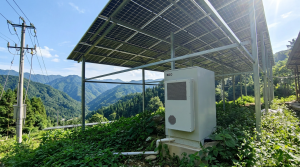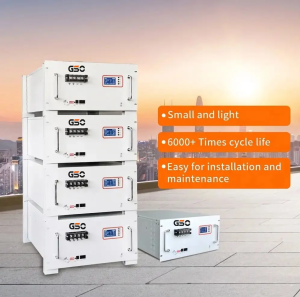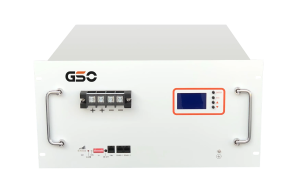

Modern commercial enterprises face a shifting energy landscape marked by volatile utility prices and grid instability. Integrating traditional photovoltaic arrays with onsite backup systems presents a resilient path forward for operations. Opting for solar with battery storage allows facilities to secure critical infrastructure and protect production lines from unexpected outages.
This technological integration converts unpredictable renewable generation into a highly dependable corporate asset. Managing localized power helps businesses mitigate steep demand charges during peak daytime operational periods. We believe establishing such infrastructure is an essential step for forward-thinking industrial managers globally.
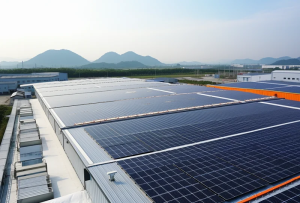
Assessing Infrastructure Readiness for Commercial Upgrades
Evaluating structural capacity and current electrical layouts serves as the initial step for any deployment. Facilities must analyze historical load profiles to determine exact power requirements and surge capacities. Engineering teams check whether existing distribution panels can handle the integration of new bidirectional currents safely.
Space optimization within a facility requires careful planning to house high-capacity infrastructure safely. Utilizing dense, industrial-grade equipment allows operations to maximize their available floor footprint effectively. Proper structural assessment ensures long-term operational viability while preventing unexpected retrofitting expenses down the line.
The Integration of Industrial Storage Hardware
Large-scale energy storage requires specialized configurations to manage high electrical demands. Modern industrial facilities typically employ rack-mount battery clusters coupled with centralized Power Conversion Systems. This structural framework allows for smooth scalability, bridging the gap between generation and heavy machinery usage.
These heavy-duty configurations efficiently manage capacities scaling from 50kW up to 630kW as required. Connecting these modular units directly to factory grids stabilizes voltage levels across entire production lines. At GSOpower, we focus on designing scalable hardware that integrates easily with diverse industrial frameworks.
Professional Installation Protocols for Enterprise Networks
Deploying heavy industrial hardware requires strict adherence to precise technical guidelines and local safety codes. Qualified engineering teams manage the physical rigging, placement, and wiring of modular internal component arrays. Implementing proper thermal management and cooling systems prevents heat accumulation during intense charging cycles.
Programming the control software ensures proper communication between the utility grid and internal networks. This configuration permits fast automatic switching during localized power grid disruptions, safeguarding active processes. Our technical specialists prioritize seamless deployments to minimize operational downtime during the hardware integration phase.
Essential Maintenance Strategies for High-Capacity Arrays
Preserving the health of a commercial energy system demands consistent oversight and preventative care routines. Technicians must conduct periodic thermal imaging inspections to identify loose connections or overheating components early. Keeping the equipment environment clear of industrial dust protects internal sensitive electronics from shorts.
Automated system diagnostics run continuously to check individual cell balancing and overall state of health. Relying on advanced software tools simplifies tracking and flags potential issues before they cause downtime. At GSOpower, we emphasize regular preventative checks to secure operational longevity and peak efficiency.
Optimizing Financial Returns Through Demand Charge Management
Commercial utility billing often calculates expenses based on the highest usage spike during peak hours. Utilizing solar battery storage allows factories to draw from local reserves during these expensive windows. This strategic technique, known as peak shaving, significantly lowers monthly operational expenditure.
By lowering dependence on the utility grid, businesses protect themselves against volatile energy market spikes. The financial benefits extend beyond direct savings, adding tangible value to the entire corporate real estate asset. Investing in specialized infrastructure transforms a standard utility expense into a controllable, predictable operational variable.
Resolving Frequent Operational and Technical Questions
Facility managers often question the true longevity and degradational limits of modern chemical storage setups. Utilizing stable lithium iron phosphate chemistry ensures thousands of operating cycles before any minor capacity loss occurs. Another frequent inquiry revolves around the possibility of expanding capacity after the initial installation.
Modular engineering naturally supports future expansions by allowing technicians to add extra rack units as demands rise. This adaptability guarantees that your initial infrastructure investment remains viable as business operations grow. Our teams work to demystify these technical aspects, offering clear guidance for complex deployments.
The Value of Purpose-Built Industrial Engineering
Selecting commercial-grade equipment requires focusing on strict safety records, high build quality, and clear certifications. Every component must withstand continuous heavy cycling under demanding factory, data center, or telecom conditions. At GSOpower, we deliver robust, verified hardware designed specifically to handle complex commercial load demands.
Our scalable systems ensure that operations maintain steady power quality without risking delicate manufacturing equipment. We provide comprehensive technical support alongside customized OEM/ODM services to meet strict international grid standards. Partnering with dedicated manufacturers guarantees that your operational infrastructure remains reliable through any external utility challenge.
Conclusion
Implementing solar battery storage serves as an effective mechanism for businesses looking to stabilize power costs. Combining local generation assets with industrial-grade solar with battery storage systems creates a grid-interactive microgrid that significantly enhances energy self-sufficiency while maintaining a utility grid connection for backup, stability, and seasonal balancing. This proactive deployment minimizes utility vulnerabilities while driving down long-term carbon output across industrial facilities.
At GSOpower, we remain dedicated to engineering the reliable tools required to optimize global industrial power networks. Upgrading your facility with scalable, resilient hardware secures your production lines against unpredictable future grid events. Let our team assist in transforming your enterprise energy profile into a highly efficient asset.