
Managing power requirements efficiently represents a significant logistical hurdle for modern industrial and commercial operations. Relying strictly on a centralized electrical utility grid exposes commercial facilities to unpredictable pricing spikes and sudden blackouts. Integrating robust commercial solar battery storage systems allows properties to capture vast amounts of clean generation and deploy it strategically during high-rate windows.
This technological transition turns variable clean electricity into a highly dependable baseline asset for active production floors. Establishing a localized backup infrastructure insulates sensitive machinery and data management servers from sudden voltage drops. We recognize that securing energy autonomy is an essential step toward achieving long-term business resilience and financial predictability.
The Underlying Architecture of Large Scale Energy Buffers
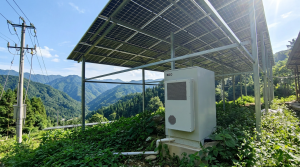
Commercial arrays utilize high-efficiency photovoltaic systems to harvest direct current electricity directly from available roof or ground space. This raw power flows into bidirectional inversion hardware that modifies the electrical currents to match factory appliance needs. Incorporating a heavy-duty storage framework introduces a physical buffer that catches excess generation before it escapes back into the utility grid.
The storage cells absorb this surplus electricity smoothly and hold it ready for high-demand periods. When regional grid failures occur, the internal energy reserves discharge instantly to prevent operational downtime. This automated process operates continuously in the background to ensure that your facility maintains complete continuity through grid events.
Streamlining Hardware Access and System Maintenance Protocols
Traditional high-voltage equipment layouts often feature complicated wiring configurations that require intense labor during routine inspections. Maintenance teams frequently struggle with deep-set components that require complete system disassembly just to check basic electrical connections. Modern industrial engineering solves this problem by moving all core interfaces and terminal links forward.
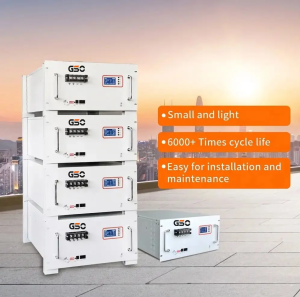
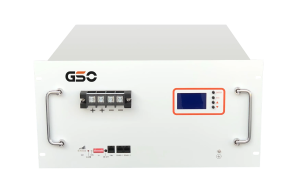
Utilizing front-access wiring ensures that service engineers do not need to pull the unit from the rack to execute maintenance. This thoughtful layout configuration dramatically shortens physical diagnostic times and reduces total human error during onsite service checkups. Consolidating your hardware terminals in this accessible fashion maximizes safety while preserving critical facility utility room space.
Leveraging Integrated Displays for Faster Diagnostic Performance
Evaluating system health across a massive multi-rack industrial layout can prove difficult without immediate visual feedback mechanisms. Relying on external laptops or specialized communication cables slows down troubleshooting speeds when quick action is needed most. Embedding intelligent visual interfaces directly into the equipment enclosure transforms how technicians monitor localized energy distribution networks.
A bright, built-in LCD display shows real-time battery status and provides instant insight into live operational metrics. Fault codes display on screen for quick remote diagnosis, allowing engineering teams to identify issues without an immediate on-site visit. This advanced capability streamlines system management, ensuring minor technical variances are addressed before they cause operational delays.
Mitigating Peak Demand Charges Through Smart Balancing
Industrial electricity billing often places heavy financial penalties on businesses that generate sudden usage spikes during high-traffic hours. Utilizing an intelligent commercial battery storage setup allows enterprises to execute peak shaving by drawing from internal reserves when factory loads maximize. This method artificially flattens your property consumption curve from the perspective of the utility provider.
Lowering these peak demand spikes delivers immediate, measurable financial savings on monthly corporate operational utility statements. The financial benefits extend beyond direct utility bill reductions, turning an uncontrollable variable expense into a predictable, manageable overhead category. Investing in specialized storage infrastructure enhances the long-term value and structural resilience of your commercial property asset.
Designing Modular Storage Networks for Seamless Capacity Growth
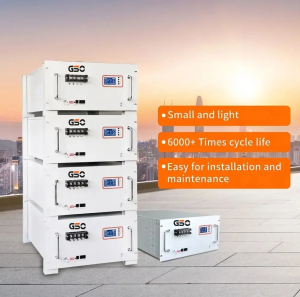
Corporate energy requirements rarely remain static as businesses expand production lines, add data centers, or deploy electric vehicle charging hubs. Selecting rigid, unalterable backup systems forces companies to purchase completely new infrastructure whenever their baseline power consumption changes. Modular engineering architecture allows field technicians to expand total storage capacity seamlessly by adding extra rack-mounted blocks over time.
We design our flexible hardware portfolios at GSOpower to adapt to these inevitable corporate lifecycle changes. Planning for scalable growth during your initial design phase protects your capital investment from premature obsolescence down the line. This adaptable approach guarantees that your localized power grid remains highly effective as your operational demands grow.
Purpose Built Infrastructure for Global Enterprise Needs
Achieving reliable grid stabilization requires high-quality hardware designed to withstand constant daily cycling under demanding commercial conditions. Every component within your electrical network must hold verified international safety certifications and proven field durability records. Our team delivers versatile, highly precise energy systems engineered to satisfy diverse regional power challenges.
Our GSOpower product portfolio merges high-efficiency power conversion technology with smart, space-optimized storage solutions for global enterprises. We provide comprehensive technical consulting alongside flexible OEM/ODM services to meet strict regional utility grid requirements. Partnering with dedicated manufacturing teams guarantees that your property retains a dependable power buffer through any external utility challenge.
Conclusion
Implementing an advanced commercial solar battery storage systems setup equips modern facilities with absolute control over their operational utility costs. Combining local generation assets with industrial-grade commercial battery storage hardware insulates your infrastructure from external market volatility. This strategic installation maximizes the usability of clean tech while establishing a secure electrical foundation.