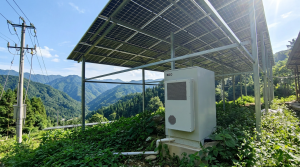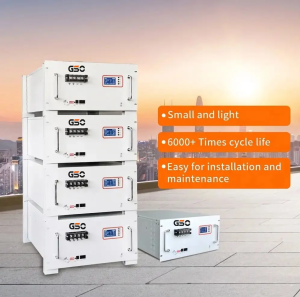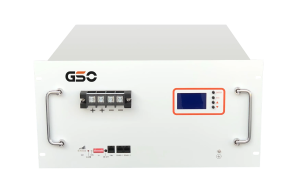

Managing modern enterprise infrastructure demands a careful balance between optimizing operational overhead and securing absolute grid resilience. Relying solely on external utility grids exposes commercial operations to unpredictable pricing spikes and sudden localized power outages. Integrating high-capacity commercial solar battery storage systems allows facilities to capture surplus daytime generation and deploy it strategically when peak utility rates climb.
This structural upgrade converts erratic renewable generation into a highly smooth and dependable corporate power asset. Establishing a localized energy reserve protects sensitive electronic machinery and production lines from costly distribution faults. We view this technical transition as an essential, forward-thinking step toward building a self-sufficient corporate energy footprint.
Assessing Space Constraints and Form Factor Efficiency
Enterprise properties must allocate their indoor or outdoor floor space carefully to maximize core business operations. Traditional high-capacity power backup setups often required massive, dedicated utility rooms due to bulky hardware configurations. Modern engineering focuses on optimizing spatial efficiency to deliver high electrical performance without consuming valuable warehouse square footage.
Selecting equipment designed with a slim, space-saving form factor allows facilities to stack capacity vertically and neatly. Compact hardware profiles simplify the entire spatial planning process for facility managers and structural engineers alike. Maximizing energy density within a restricted footprint guarantees that your utility room remains organized and highly functional.
The Logistical Advantages of Lightweight Engineering
Heavy infrastructure deployment introduces complex logistics challenges, requiring specialized rigging equipment and intense manual labor. Reducing the physical weight of internal energy storage cells drastically lowers international shipping fees and local transport costs. Lightweight components also decrease the physical strain placed on building foundations and indoor mezzanine flooring systems.
Utilizing modern lithium iron phosphate chemistry allows hardware to weigh significantly less than equivalent legacy lead-acid configurations. This reduction makes individual blocks far easier to ship, handle, and install over extended project timelines. Streamlining these physical handling characteristics minimizes project risks and accelerates the initial structural setup phase.
Simplifying Multi Unit Parallel Expansion Infrastructure
Expanding a corporate energy storage network traditionally required manual dial codes and complex rewiring of existing units. Modern installations avoid this technical friction by utilizing intelligent communication protocols that handle configuration steps automatically. This breakthrough technology allows businesses to grow their power infrastructure smoothly as their operational footprint expands.
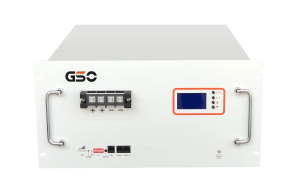
Advanced parallel expansion architectures support connecting up to 16 units in parallel for smooth capacity growth. The system self-configures with automatic ID addressing, completely eliminating manual DIP switch setup requirements. This plug-and-play capability allows teams to scale from 2.56 kWh to 256+ kWh by adding modules dynamically.
Deciphering Technical Capacity and Modular Scaling
Determining the appropriate system scale requires an analytical look at your historical kilowatt-hour demand curves. Modular configurations protect initial capital investments by enabling businesses to start with baseline capacities and expand over time. This approach prevents buying excessive hardware upfront while maintaining the flexibility to meet future energy growth.
At GSOpower, we prioritize building versatile, adaptive hardware layouts that grow alongside your commercial facility demands. Our scalable rack modules ensure that your property retains a highly precise configuration tailored to your load profile. Eliminating rigid structural limitations ensures long-term operational satisfaction across diverse global enterprise landscapes.
Optimizing Corporate Budgets via Peak Shaving Strategies
Commercial electricity bills frequently include heavy demand charges calculated from the single highest consumption spike during peak hours. Utilizing an intelligent commercial battery storage setup allows enterprises to execute peak shaving by drawing from internal reserves when factory loads maximize. This method artificially flattens your property consumption curve from the perspective of the utility provider.
Lowering these peak demand spikes delivers immediate, measurable financial savings on monthly corporate operational utility statements. The financial benefits extend beyond direct utility bill reductions, turning an uncontrollable variable expense into a predictable, manageable overhead category. Investing in specialized storage infrastructure enhances the long-term value and structural resilience of your commercial property asset.
Prioritizing Thermal Stability and Cell Chemistry Safety
Placing dense, high-voltage electrical assets near active manufacturing floors or corporate offices requires absolute compliance with rigorous safety criteria. Modern energy systems overwhelmingly utilize advanced lithium iron phosphate chemistry due to its superior chemical structure and high heat resistance. This material inherently resists thermal runaway events, making it the benchmark standard for high-occupancy business settings.
Multi-layered safety software layers continuously track voltage metrics, charging current pathways, and individual cell operating temperatures. Any slight variance from normal baseline parameters triggers an instant, automated isolation protocol to secure the surrounding building structures. These protective systems ensure that your business operates at maximum efficiency without risking employee safety or property damage.
Purpose Built Infrastructure for Global Enterprise Needs
Achieving reliable grid stabilization requires high-quality hardware designed to withstand constant daily cycling under demanding commercial conditions. Every component within your electrical network must hold verified international safety certifications and proven field durability records. Our team delivers versatile, highly precise energy systems engineered to satisfy diverse regional power challenges.
The GSOpower product portfolio merges high-efficiency power conversion technology with smart, space-optimized storage solutions for global enterprises. We provide comprehensive technical consulting alongside flexible OEM/ODM services to meet strict regional utility grid requirements. Partnering with dedicated manufacturing teams guarantees that your property retains a dependable power buffer through any external utility challenge.
Conclusion
Deploying commercial solar battery storage can give businesses greater flexibility in managing grid demand and onsite solar generation. Combining high-efficiency rooftop generation with modular commercial battery storage hardware insulates your infrastructure from external market volatility. This strategic installation maximizes the usability of clean tech while establishing a secure electrical foundation.
At GSOpower, we focus our engineering expertise on manufacturing the precise, robust equipment required to stabilize global energy networks. Implementing automatic addressing hardware streamlines your transition to green technology and simplifies multi-unit capacity expansion.