
Commercial enterprises face immense operational pressure from volatile power markets and sudden, unpredictable utility blackouts. To safeguard production continuity, facilities require a resilient power backup architecture that handles heavy daytime startup surges and extreme weather anomalies smoothly. Adopting a unified all-in-one commercial solar battery storage system enables companies to capture excess solar energy and discharge it strategically during peak tariff periods, reducing overhead while securing an active power buffer.
This advanced integration stabilizes internal power networks, turning intermittent renewable generation into a highly dependable baseline utility asset. Relying on an independent power reserve minimizes expensive operational disruptions while reducing overall corporate expenditure over time. We view establishing localized energy autonomy as a practical, forward-thinking necessity for commercial management teams worldwide.

The Underlying Mechanics of Corporate Energy Conversion
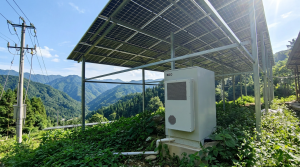
Commercial arrays capture vast amounts of sunlight through high-efficiency photovoltaic systems mounted on facility roofs or specialized ground structures. This raw direct current electricity flows directly toward central distribution points where it must be altered for immediate business use. Integrating localized storage infrastructure introduces a physical buffer that catches surplus generation before it escapes back into the utility grid.
A bidirectional system balances this incoming power dynamically to maintain an exact equilibrium between generation and factory demand. When regional grid failures occur, the stored energy discharges instantly to prevent costly machinery reboots and data loss. This automated cycle functions continuously in the background, maintaining operational continuity without requiring constant manual adjustment from your staff.
Deciphering Depth of Discharge and Operational Lifespans
Evaluating high-capacity electrical hardware requires a close look at depth of discharge and total cycle metrics. Depth of discharge indicates the percentage of capacity that can be used safely without triggering internal cell strain. High-quality configurations allow properties to utilize up to eighty percent or more of their total stored reserves daily.
Expected cycle life dictates how many charge and discharge repetitions a unit undergoes before experiencing minor capacity loss. Premium systems comfortably deliver thousands of complete operational cycles over a decade or more of continuous service. Prioritizing these parameters ensures that your clean energy infrastructure maintains high performance over a multi-decade operational lifetime.
Long Term Reliability Through High Cell Consistency
A common concern among engineers is how large-scale hardware degrades under the strain of heavy continuous use. Standard configurations can fail prematurely if a few weak cells degrade faster than the rest of the pack. Modern manufacturing addresses this risk by enforcing strict uniformity standards across every single block of the cell matrix.
High cell consistency across the pack ensures even degradation and highly predictable end-of-life performance. This uniformity prevents localized hot spots and balances the electrical load perfectly during intense charge and discharge routines. At GSOpower, we focus on matching cells precisely to eliminate the unexpected maintenance overhead caused by uneven component aging.
Evaluating the Longevity Profiles of LiFePO4 Chemistry
Selecting the right internal battery chemistry dictates the multi-decade return on investment for large corporate energy installations. Lithium iron phosphate stands out as the industry choice due to its high thermal stability and structural resilience. This specific material structure allows the hardware to handle intense electrical throughput without breaking down under pressure.
Our advanced LiFePO4 chemistry is rated for 5,000+ cycles at 80% DoD — translating to over 13 years of daily cycling. This 5,000+ cycle design life provides a rock-solid foundation for enterprise infrastructure looking to eliminate frequent equipment replacement costs. Investing in such rugged cell engineering guarantees that your property retains a durable, reliable utility asset for the long haul.
Optimizing Corporate Budgets via Peak Shaving Strategies
Commercial electricity bills frequently include heavy demand charges calculated from the single highest consumption spike during peak operational hours. Utilizing an intelligent commercial battery storage setup allows enterprises to execute peak shaving by drawing from internal reserves when factory loads maximize. This method artificially flattens your property consumption curve from the perspective of the utility provider.
Lowering these peak demand spikes delivers immediate, measurable financial savings on monthly corporate operational utility statements. The financial benefits extend beyond direct utility bill reductions, turning an uncontrollable variable expense into a predictable, manageable overhead category. Investing in specialized storage infrastructure enhances the long-term value and structural resilience of your commercial property asset.
Prioritizing Thermal Stability and Cell Chemistry Safety
Placing dense, high-voltage electrical assets near active manufacturing floors or corporate offices requires absolute compliance with rigorous safety criteria. Modern energy systems overwhelmingly utilize advanced lithium iron phosphate chemistry due to its superior chemical structure and high heat resistance. This material inherently resists thermal runaway events, making it the benchmark standard for high-occupancy business settings.
Multi-layered safety software layers continuously track voltage metrics, charging current pathways, and individual cell operating temperatures. Any slight variance from normal baseline parameters triggers an instant, automated isolation protocol to secure the surrounding building structures. These protective systems ensure that your business operates at maximum efficiency without risking employee safety or property damage.
Planning Modular Layouts for Long Term Scaling Needs
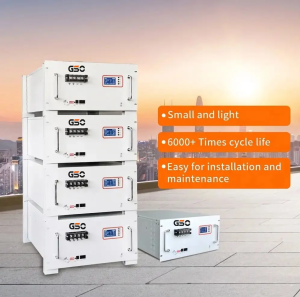
Corporate energy requirements rarely remain static as businesses expand production lines, add data centers, or deploy electric vehicle charging hubs. Selecting rigid, unalterable backup systems forces companies to purchase completely new infrastructure whenever their baseline power consumption changes. Modular engineering architecture allows field technicians to expand total storage capacity seamlessly by adding extra rack-mounted blocks over time.
We design our flexible hardware portfolios at GSOpower to adapt to these inevitable corporate lifecycle changes. Planning for scalable growth during your initial design phase protects your capital investment from premature obsolescence down the line. This adaptable approach guarantees that your localized power grid remains highly effective as your operational demands grow.
Purpose Built Infrastructure for Global Enterprise Needs
Achieving reliable grid stabilization requires high-quality hardware designed to withstand constant daily cycling under demanding commercial conditions. Every component within your electrical network must hold verified international safety certifications and proven field durability records. Our team delivers versatile, highly precise energy systems engineered to satisfy diverse regional power challenges.
The GSOpower product portfolio merges high-efficiency power conversion technology with smart, space-optimized storage solutions for global enterprises. We provide comprehensive technical consulting alongside flexible OEM/ODM services to meet strict regional utility grid requirements. Partnering with dedicated manufacturing teams guarantees that your property retains a dependable power buffer through any external utility challenge.
Conclusion
Deploying a modern commercial solar battery storage system allows enterprises to establish absolute control over their long-term electricity expenses. Combining high-efficiency local generation with advanced commercial battery storage units builds a completely self-reliant energy ecosystem. This calculated infrastructure upgrade shields corporate assets from unpredictable utility market shifts while significantly lowering your regional carbon footprint.