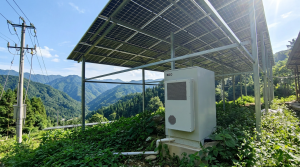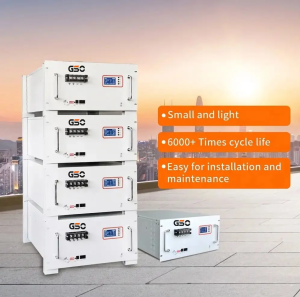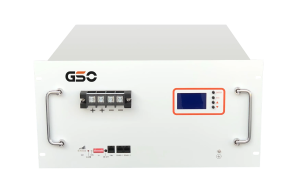

Modern urban planning and community development increasingly require a structural shift toward full energy self-sufficiency. Relying purely on traditional centralized utility grids introduces substantial financial volatility and carbon management challenges for growing districts. Integrating high-capacity solar panels and battery storage systems offers a practical solution to capture, store, and distribute renewable energy locally.
This advanced infrastructure framework effectively converts intermittent weather-dependent generation into a highly predictable baseline power asset. Managing community-scale distribution reduces strain on regional grids while lowering overall operational expenditure for local municipalities. We recognize that implementing these large-scale systems represents a crucial step toward achieving authentic, long-term regional decarbonization goals.
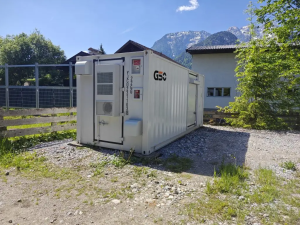
Understanding the Mechanics of Containerized Utility Grid Assets
Large-scale renewable projects require specialized engineering to handle massive power transfers from local generation fields safely. Standard residential batteries lack the physical capacity and structural scaling needed to balance community-wide electricity consumption profiles. Utilizing heavy-duty containerized systems allows engineers to deploy dense, weatherproof energy buffers directly into local municipal sectors.
These specialized thermal-controlled containers house thousands of interconnected cells working alongside bidirectional power conversion components. This structural layout enables simultaneous charging and discharging cycles to manage sudden shifts in regional energy demand. Proper system integration guarantees that localized distribution networks maintain stable voltage levels during peak usage windows.
The Crucial Role of Power Conversion Systems in Large Networks
Capturing clean electricity is only half the battle; converting and stabilizing that power dictates ultimate grid compatibility. A robust Power Conversion System acts as the primary brain, managing the complex interface between battery units and the grid. This hardware automatically synchronization voltage and frequency metrics to prevent localized electrical disruptions or hardware damage.
Deploying a high-capacity 500KW PCS ensures smooth bidirectional power flow across large corporate or municipal properties. This configuration enables immediate reaction times when cloud cover suddenly drops local photovoltaic generation capacities. The hardware smoothly bridges the generation gap, maintaining uninterrupted electricity supply to critical infrastructure.
Scaling Battery Capacity for Community Level Resilience
Determining the ideal ratio between generation capacity and localized storage requires deep historical load curve analysis. Municipalities must balance daily solar output with the minimum baseline power required to keep public services running overnight. An optimized layout prevents clean energy wastage during peak sunlight hours while securing sufficient emergency reserves.
Integrating an 800KWH lithium battery container provides the necessary energy depth to support entire eco-town networks. At GSOpower, we focus on designing these highly precise, large-scale utility configurations for diverse international requirements. Matching correct hardware scale with regional consumption habits maximizes environmental benefits and accelerates project payback periods.
Practical Insights from European Sustainable Townships
Innovative projects across regions like Austria provide an excellent real-world blueprint for modern sustainable development. These European eco-towns combine advanced local generation fields with high-capacity containerized storage systems to achieve high self-sufficiency. This integrated approach allows local governments to meet strict regional emissions targets while protecting public budgets.
The stored energy serves as a critical buffer, shielding local public networks from volatile cross-border energy market prices. Success in these highly regulated environments proves the commercial viability and operational safety of massive clean tech setups. These operational models serve as an inspiring framework for urban planners looking to replicate sustainable infrastructure worldwide.
Prioritizing Thermal Safety and Chemistry in Dense Arrays
Housing high-capacity electrical assets near community centers requires absolute adherence to rigorous international safety standards. Utilizing advanced lithium iron phosphate chemistry delivers superior thermal stability compared to alternative chemical compositions. This specific material makeup inherently resists thermal runaway, making it the standard for dense public utility deployments.
Integrated smart software layers continuously monitor internal temperatures, individual cell voltages, and overall state of health. Any slight variation from standard operating parameters triggers automatic cooling adjustments or localized isolation safety protocols. These multi-layered protection mechanisms ensure long-term public safety without sacrificing daily grid balancing efficiency.
Installation Protocols and Grid Interconnection Requirements
Deploying containerized clean energy assets requires strict coordination with local utility operators and engineering teams. Technicians must prepare stable concrete foundation pads capable of supporting heavy, weather-resistant structural enclosures safely. The final connection phase involves programming smart communication links between the localized system and regional grid controllers.
Proper calibration allows the storage system to provide ancillary services like frequency regulation back to the utility grid. At GSOpower, we prioritize delivering modular, pre-tested equipment architectures to simplify complex field deployment steps. Minimizing onsite wiring complexity reduces human error and shortens total project commissioning timelines significantly.
Preventative Maintenance to Guarantee Multi Decadal Lifespans
Securing a multi-decade operational lifespan for utility-scale investments demands a structured, proactive maintenance schedule. Technicians execute periodic inspections of specialized internal liquid-cooling loops to maintain ideal operating temperatures year-round. Keeping high-voltage electrical connections clean and dry prevents corrosion and potential efficiency drops over time.
Automated remote diagnostics stream real-time operational data directly to management dashboards for continuous performance tracking. This constant monitoring allows engineers to optimize cell-balancing cycles and address minor issues before they impact town services. Regular care ensures that your large-scale community infrastructure continues delivering reliable power for generations.
The Advantages of Purpose Built System Engineering
Achieving true grid stabilization requires high-quality hardware designed to withstand constant daily cycling under harsh conditions. Every component within the network must feature clear safety certifications and proven durability records across international markets. At GSOpower, we dedicate our engineering expertise to developing resilient, customized energy storage solutions for global clients.
Our utility portfolio merges high-efficiency solar battery storage hardware with advanced power conversion technology. We provide comprehensive technical consulting alongside flexible OEM/ODM options to satisfy demanding structural and regulatory specifications. Partnering with dedicated manufacturers ensures your community receives a reliable asset optimized for long-term sustainable growth.
Conclusion
Transitioning to community-wide solar panels and battery storage projects forms the bedrock of modern urban sustainability. Combining large-scale local generation with advanced solar battery storage containers secures reliable power for growing eco-towns. This proactive infrastructure investment drives down municipal carbon output while providing absolute immunity to utility grid failures.