
Evaluating the transition to renewable energy requires a detailed look into how power is managed after the sun sets. Relying solely on daytime generation leaves households and enterprises dependent on utility providers during high-cost peak evening windows. Implementing the best battery storage for solar unlocks the capability to bridge this generation gap smoothly and safely.
This infrastructure captures the daily surplus from photovoltaic panels, converting intermittent sunlight into a steady asset. Managing your own generation brings immediate relief from rising utility rates while providing critical backup protection. We see this technological integration as a fundamental upgrade to how modern properties manage their electrical architecture.
Understanding the Spectrum of Modern Storage Applications
Renewable hardware needs vary dramatically depending on whether you are powering a single property or an entire grid. Residential settings generally focus on compact layouts to secure essential lighting and critical home appliances during blackouts. Conversely, large industrial installations require heavy electrical architecture to handle massive machinery surges without dropping localized voltage.
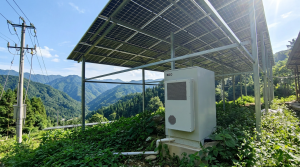
Data centers and telecom towers demand absolute continuous power to avoid costly communications data loss or infrastructure damage. Isolated locations like remote islands or high-altitude alpine regions require fully independent setups operating far from utility grids. Evaluating your specific application scenario is the initial step toward finding a viable clean energy match.
Deciphering Technical Capacity and Inverter Integration
Selecting the right setup requires balancing your total daily kilowatt-hour demand with your physical generation potential. Small residential settings often utilize compact 3.5kW hybrid inverters to manage standard household loads efficiently and safely. These versatile units direct current smoothly between photovoltaic arrays, battery units, and your main home electrical panel.
As consumption rises, the physical size of the storage hardware must scale upward to maintain sufficient runtime. Commercial layouts require specialized multi-kilowatt equipment to handle dense power distribution profiles without overheating the internal wiring. Matching conversion capacity with your expected load ensures the entire clean energy system operates at peak efficiency.
The Evolution of Large Scale Containerized Architecture
When energy demands shift from individual buildings to whole communities, traditional wall units are no longer sufficient. Utility-scale projects deploy large, weather-resistant 40ft containerized energy storage systems to manage massive clean power reserves. These massive units stabilize regional distribution grids by soaking up vast amounts of excess daytime solar generation.
The containerized layout houses thousands of interconnected cells along with smart climate control systems to maintain ideal temperatures. This heavy-duty setup allows local municipalities or industrial parks to distribute power during extended stretches of bad weather. Utilizing these dense configurations transforms unpredictable weather inputs into a highly dependable community resource.
Prioritizing Thermal Safety through Advanced Cell Chemistry
Deploying high-capacity electrical hardware near homes or offices requires a deep commitment to strict safety standards. Modern engineering overwhelmingly favors lithium iron phosphate cell chemistry due to its superior structural and chemical stability. This specific material composition naturally minimizes the risks of thermal runaway under intense daily cycling conditions.
Integrated software layers continuously track voltage metrics and cell temperatures across the entire storage array. Any minor technical deviation triggers an automatic isolation protocol to protect the surrounding building structures. Prioritizing these advanced safety metrics ensures that your investment provides reliable operation without compromising peace of mind.
Designing Modular Lifecycles for Future Expansion
Energy requirements rarely remain completely static over a ten or twenty-year property ownership horizon. Families grow, businesses add extra machinery, and fleets of electric vehicles require the addition of new fast-charging hubs. Choosing modular hardware allows technicians to add extra battery blocks seamlessly without discarding the original system components.
At GSOpower, we focus on engineering scalable, full-lifecycle product portfolios to accommodate these inevitable property changes. Planning for future growth during your initial design phase prevents expensive complete system overhauls later on down the line. This adaptable structural framework guarantees that your localized grid remains highly effective as your demands evolve.
Installation Protocols for Streamlined System Commissioning
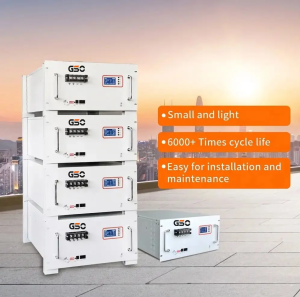
The physical placement and initial programming of your equipment dictate its long-term operational health and efficiency. Professional installation teams focus on space-saving layouts that minimize the length of high-voltage wiring runs. Utilizing plug-and-play engineering designs dramatically shortens field deployment timelines and lowers initial labor costs for buyers.
Ensuring flawless communication links between your solar panels, inverters, and storage units prevents future configuration faults. At GSOpower, we deliver installer-friendly hardware solutions designed to integrate smoothly with diverse international electrical frameworks. This simplifies the commissioning process, allowing your property to begin storing clean electricity with minimal operational disruption.
Maximizing Long Term Investment Return with Smart Management
Securing the maximum financial return from your hardware investment requires a proactive approach to system optimization. Utilizing smart monitoring applications allows users to track real-time efficiency metrics and generation data from any digital device. Keeping the physical equipment enclosures clean and clear of heavy industrial dust preserves the natural thermal venting pathways.
Automated software updates ensure that your infrastructure continues running the latest efficiency protocols and cell-balancing algorithms. Routine professional checkups confirm that all heavy electrical connections remain perfectly tight and completely free from oxidation. Consistent care secures an extended operational lifespan, ensuring your system delivers clean power for many decades.
Navigating the Procurement of Specialized Green Technology
Selecting reliable hardware remains the single most critical factor in determining the success of your renewable upgrade. Every component within the network must feature robust safety certifications and proven durability records across global markets. At GSOpower, we focus on delivering versatile, precise energy systems tailored to handle diverse regional power challenges.
Our full-lifecycle lineup covers everything from small residential units to massive containerized projects for global enterprise clients. We support our hardware deployments with comprehensive technical services alongside flexible OEM/ODM options to satisfy strict regional grid codes. Investing in purpose-built engineering guarantees that your property retains a reliable power buffer through any external utility event.
Conclusion
Developing a customized clean energy network requires finding a perfect balance between generation capacity and efficient storage depth. Pairing high-efficiency panels with the best battery storage for solar equips your property with absolute operational resilience. This calculated upgrade drives down long-term utility expenses while insulating your infrastructure from unpredictable central grid failures.
At GSOpower, our engineering team remains committed to supplying the precise, robust tools needed to optimize domestic and industrial networks. Transitioning to integrated solar battery storage systems empowers managers to take complete control of their regional environmental footprints. Let us assist you in implementing a sustainable, highly dependable energy architecture built to secure your power future.