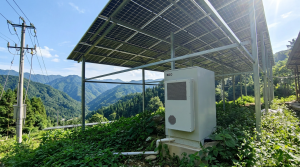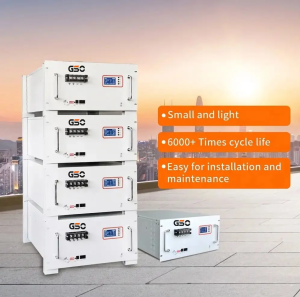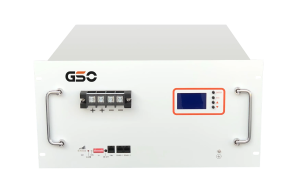

Navigating the rapidly evolving landscape of renewable energy hardware requires a clear understanding of how generation interacts with power backup. Simply mounting photovoltaic panels on a roof only addresses daytime electricity production, leaving properties dependent on external grids after sunset. Selecting the best battery storage for solar functions as a practical bridge to secure continuous power through all hours.
This structural integration converts unpredictable, weather-dependent generation into a highly stable and controllable domestic asset. Managing your own distribution network insulates your property from rising utility costs and sudden localized infrastructure failures. We view establishing this baseline resilience as a fundamental requirement for modern sustainable buildings globally.
Deciphering Depth of Discharge and Operational Lifespans
Evaluating high-capacity electrical hardware requires a close look at depth of discharge and total cycle metrics. Depth of discharge indicates the percentage of capacity that can be used safely without triggering internal cell strain. High-quality configurations allow properties to utilize up to ninety percent or more of their total stored reserves daily.
Expected cycle life dictates how many charge and discharge repetitions a unit undergoes before experiencing minor capacity loss. Premium systems comfortably deliver thousands of complete operational cycles over a decade or more of continuous service. Prioritizing these parameters ensures that your clean energy infrastructure maintains high performance over a multi-decade operational lifetime.
Evaluating Round Trip Efficiency Across Network Assets
Energy conversion naturally introduces minor technical losses as electricity transitions between direct and alternating currents. Round-trip efficiency represents the exact ratio of usable energy retrieved versus the total energy used to charge the cells. Choosing configurations with high efficiency numbers guarantees that minimal electricity is wasted as excess heat during daily operations.
Poor efficiency ratings force your solar array to work harder to achieve identical household storage outcomes. Maximizing this specific metric helps property owners extract the highest financial return from their initial infrastructure investments. It remains a critical technical benchmark for comparing hardware models across the global clean energy market.
Understanding Regional Environmental Adaptation Challenges
Storage systems must maintain operational consistency across diverse global climates, from freezing high-altitude regions to humid coastal plains. Extreme temperatures alter internal chemical resistance, which can impact total capacity or shorten hardware lifespans if left unmanaged. Advanced internal climate controls and robust insulation are required to protect sensitive electrical components from ambient weather shifts.
Hardware deployed across diverse countries like Germany, Australia, the US, or Pakistan faces completely different environmental strains. Systems running in high-temperature territories like South Africa or Indonesia demand specialized thermal venting layouts to prevent heat accumulation. Engineering setups to thrive under these varying regional forces prevents premature degradation and ensures year-round grid stability.
The Crucial Importance of Advanced Cell Safety Architecture
Housing high-voltage electrical infrastructure near residential or commercial spaces demands absolute adherence to rigorous safety protocols. Modern engineering overwhelming favors lithium iron phosphate cell compositions due to their excellent thermal and chemical stability. This specific material configuration inherently resists thermal runaway, making it highly secure for dense building deployments.
Integrated battery management systems continuously monitor individual cell voltage levels, current flows, and internal operating temperatures. Any slight variance from standard performance metrics triggers an instant, automated isolation routine to protect the property. This continuous oversight guarantees stable, long-term power delivery without risking the structural safety of your facility.
Sizing Inverter Conversion Capacity for Peak Load Demands
A storage system requires a matching power conversion interface to distribute alternating current smoothly to property appliances. Inverter capacity determines the maximum wattage your setup can deliver simultaneously during high-demand household operational windows. Insufficient conversion limits your ability to run heavy tools, deep filtration pumps, or multiple air conditioning units.
Balancing your total storage capacity with the correct inverter output size ensures seamless emergency backup operations. Modern hybrid conversion systems handle both generation inputs and battery routing within a single, highly integrated enclosure. This technical integration simplifies the physical installation footprint while maximizing the overall efficiency of your clean network.
Analyzing Long Term Field Performance Data on a Global Scale
Predicting equipment reliability is far more accurate when analyzing high-volume, real-world deployment data across diverse consumer markets. Systems validated by thousands of daily users globally demonstrate how hardware behaves under constant, long-term operational cycling. Looking at large-scale field results helps buyers bypass theoretical laboratory claims and focus on verified field durability.
Over 200,000 users worldwide rely on these engineered frameworks to secure their essential daily electricity needs. Tracking operational history across 50+ countries provides clear evidence of how systems handle real-world utility grid disruptions. This extensive global footprint confirms that advanced hardware architecture can successfully stabilize power under any regional condition.
Tailored Manufacturing and Strategic System Procurement
Selecting the right equipment provider involves looking beyond standard datasheets to evaluate manufacturing capability and technical support networks. Customizing hardware configurations allows developers to match unique structural limitations, localized grid codes, and specific enterprise application demands. At GSOpower, we focus on delivering versatile, installer-friendly storage systems engineered to satisfy diverse international parameters.
Our product portfolio features modular lithium iron phosphate arrays backed by comprehensive technical consulting and OEM/ODM engineering services. We focus on building ruggedized, pre-configured units that minimize physical field deployment complexity and shorten commissioning times. Choosing specialized production ensure your property receives a long-lifecycle asset built to withstand demanding utility challenges.
Conclusion
Implementing a robust solar battery storage network offers an effective path toward achieving total domestic power autonomy. Pairing efficient photovoltaic generation with the best battery storage for solar protects your infrastructure from unpredictable market rates. This advanced upgrade drives down long-term operational costs while building a truly resilient, clean energy footprint for your property.