
Transitioning toward residential microgrid infrastructure provides households with a highly effective method to secure reliable electricity amid fluctuating grid stability. Standard residential power generation has historically relied on fragmented equipment configurations that required tedious component matching and external field configurations. Opting for a unified all-in-one home energy storage system completely changes this process by housing all vital conversion and management elements within a unified framework.
This integrated approach significantly lowers structural conversion losses while optimizing the physical footprint inside residential utility spaces. Localizing your power storage strategy safeguards essential electronics from sudden voltage drops and unexpected distribution blackouts. We recognize that adopting an integrated design framework represents a highly practical step toward establishing true household energy autonomy.
The Operational Architecture of Factory Integrated Units
Consolidated power configurations act as an intelligent, centralized command center that bridges solar generation fields, internal storage cells, and the home grid. Photovoltaic cells harvest raw direct current electricity, directing it immediately into high-voltage internal management circuitry. This core system automatically routes power to satisfy active household demands or preserves it for nighttime consumption.
The internal layout integrates heavy-duty inversion mechanics with dense lithium battery matrices under a single protective housing. This close physical proximity between components maximizes transmission efficiency by minimizing resistance along internal power pathways. It establishes a resilient electrical foundation that reacts instantly to external utility network fluctuations.
Understanding the Differences Between Unified and Split Infrastructure
Traditional split-system architectures require installers to source, position, and wire separate chargers, controllers, and battery banks manually. This multi-step field process increases the physical footprint across utility walls and introduces potential brand compatibility errors. A single-footprint architecture avoids these hurdles by consolidating all sub-systems during the factory manufacturing stage.
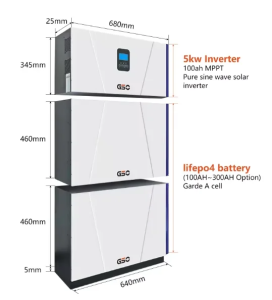
The GSL Stacked series integrates a 5.5kW/10kW hybrid inverter, LiFePO4 battery modules, an MPPT controller, and a BMS inside one unified enclosure. Solar panels connect directly to the MPPT input with no additional inverter or controller required on site. This consolidated configuration eliminates the logistical headaches of managing scattered individual hardware boxes.
The Practical Values of Streamlined Field Commissioning
Reducing field configuration complexity delivers direct benefits to both property owners and structural deployment teams. Traditional component-heavy configurations often require half a day or more of meticulous point-to-point field wiring and electrical testing. Streamlining the physical installation layout allows technicians to complete system verification cycles rapidly and safely.
Our field data confirms that commissioning takes under 2 hours compared to half a day or more for a split system setup. This rapid deployment window minimizes operational downtime and substantially lowers the initial labor costs of your property upgrade. At GSOpower, we focus on engineering pre-wired and factory-tested units to ensure hassle-free startup right out of the box.
Sizing Storage Arrays for Total Autonomy
Determining your required system scale involves a close analysis of seasonal weather patterns and daily kilowatt-hour demand metrics. Property owners must separate critical baseline loads, like emergency lighting and refrigeration, from heavy intermittent appliances. Calculating your targeted hours of independent backup prevents underperformance during extended cloud cover.
A flexible hardware design allows users to match their specific load profiles without purchasing unnecessary hardware. Choosing a configuration that matches your actual consumption protects your initial capital investment over its multi-decade lifecycle. Our engineering goal is to provide balanced, practical power solutions that deliver reliable electricity through any regional emergency.
The Benefits of Lithium Iron Phosphate Chemical Engineering
Older backup storage configurations frequently relied on heavy lead-acid cells that demanded frequent physical maintenance and external ventilation. Modern clean energy systems overwhelmingly utilize advanced lithium iron phosphate cells for residential applications. This specific chemistry delivers exceptional thermal stability and completely eliminates the risk of dangerous overheating.
These robust cells support thousands of deep charge and discharge cycles before showing any minor capacity degradation. Opting for this stable composition ensures a long hardware lifespan under demanding environmental conditions worldwide. It represents the modern standard for operators who value physical safety and long-term asset durability.
Optimizing Household Budgets via Intelligent Energy Modes
Modern unified platforms integrate versatile software algorithms to alter how power is prioritized throughout the day. This deep operational flexibility allows users to prioritize either solar self-consumption, utility grid assistance, or emergency backup energy. Adjusting these parameters ensures your system functions ideally whether you are connected to city grids or completely isolated.
Advanced system programming supports various distinct output and charging modes to suit diverse regional operational scenarios. This flexible functionality allows homeowners to execute peak shaving by drawing from internal reserves when local utility rates maximize. Lowering these peak demand spikes delivers immediate, measurable financial savings on monthly household operational utility statements.
Long Term Asset Care and Remote Performance Tracking
Maintaining peak performance across a multi-component energy platform is far simpler when all technical metrics consolidate. Smart monitoring applications track real-time solar inputs, active battery capacity, and output load statistics simultaneously. Keeping the external cabinet vents clear of heavy dust ensures the internal cooling loops work optimally year-round.
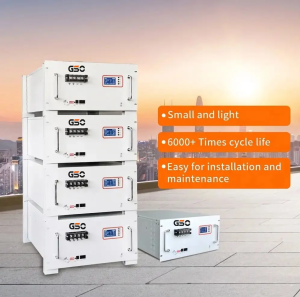
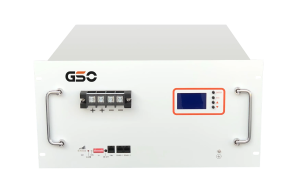
Automated internal software systems run background diagnostics to flag potential errors before they disrupt your daily routines. At GSOpower, we focus our engineering expertise on manufacturing the precise, robust equipment required to stabilize global energy networks. Our front-access, screen-enabled configurations simplify installation and streamline long-term system maintenance for your facility.
Conclusion
Integrating an advanced All-in-One Solar Power System builds a dependable shield against volatile pricing and central utility failures. Choosing a factory-tested all-in-one home energy storage system eliminates installation friction while securing long-term electrical safety for your family. This planned infrastructure investment maximizes the true economic return of your renewable setup while drastically lowering your carbon footprint.