
The shift towards renewable energy sources has sparked an increasing interest in hybrid inverters. These innovative devices play a crucial role in integrating solar power effectively with traditional grid systems. At GSO Power, we understand the nuances of hybrid grid tie inverters and their importance in optimizing energy usage and reducing carbon footprints. This article will delve into the various types of hybrid inverters, their benefits, and a simplified explanation of their operating principles.
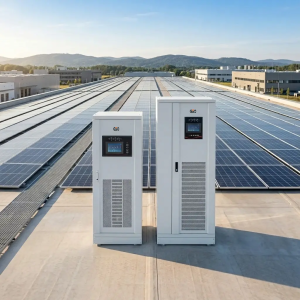
Understanding Hybrid Inverters
Hybrid inverters combine the functionalities of a traditional grid-tied inverter with those of a battery inverter. This dual capability allows them to generate, store, and supply energy more efficiently. One of the main advantages of using a hybrid inverter is its ability to work with both renewable and grid electricity. With models like the GSA series from GSO Power, designed to meet European standards and boasting a lifespan of up to 10 years, homeowners can enjoy reliable energy solutions. The flexibility they offer means one can harness solar energy even during blackouts or power cuts by utilizing stored energy.
Benefits of Hybrid Grid Tie Inverters
The advantages of hybrid grid tie inverters extend beyond simple energy provision. First and foremost, these inverters contribute to increased energy independence. By allowing users to store excess energy generated from solar panels, they reduce reliance on traditional electricity sources. Moreover, they can help minimize electricity bills significantly, as the energy produced can be consumed on-site rather than purchased from the grid. Additionally, the integration of batteries means that users can optimize their energy usage by consuming stored energy during peak pricing times. At GSO Power, we find this feature to be extremely beneficial for residential and commercial energy management.
How Hybrid Inverters Operate
The operation of a hybrid inverter is straightforward yet sophisticated. When solar panels produce energy, the inverter converts the direct current (DC) generated into alternating current (AC) suitable for household use. In situations where the energy produced exceeds consumption, surplus energy can either be sent back to the grid or stored in batteries. During periods of low sunlight or high energy demand, the inverter draws from the batteries to maintain a continuous power supply. This mechanism is what differentiates hybrid grid tie inverters from standard grid-tied versions—they add an essential layer of versatility and resilience to any energy system. Our team at GSO Power continually explores ways to enhance this technology, ensuring our products remain aligned with emerging trends and user needs.
Conclusion
Hybrid inverters are transforming the energy landscape by offering a flexible solution for managing electricity consumption. Given their capability to integrate renewable energy into traditional power grids efficiently, they are becoming an indispensable option for many households and businesses alike. The advancements in the technology, such as models from GSO Power, ensure users are equipped with reliable systems for optimal energy utilization. As we move towards a more sustainable future, investing in technologies like the hybrid inverter can significantly contribute to both financial savings and environmental responsibility.