
As energy demands continue to rise and the need for sustainable solutions grows, hybrid inverters have emerged as a reliable option for balancing energy consumption and production. These devices not only facilitate the smooth integration of solar energy into the power grid but also allow users to harness energy from multiple sources. The hybrid inverter, specifically the hybrid on-grid inverter, plays a pivotal role in today’s energy landscape, and at GSO Power, we are dedicated to providing valuable insights about these innovative systems.
What is a Hybrid On–Grid Inverter?
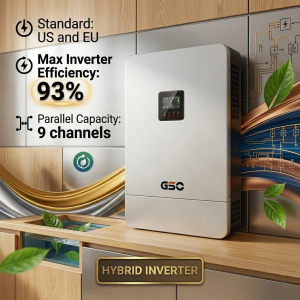
A hybrid on-grid inverter is a device that combines the functionalities of a traditional inverter with energy storage systems. This means that it can convert direct current (DC) from renewable energy sources, like solar panels, into alternating current (AC) suitable for household use and the electrical grid. Unlike standard inverters that only work with one energy source, hybrid inverters integrate various power sources, allowing for greater flexibility. By facilitating backup power capabilities, they ensure a steady energy supply even during grid outages.
The functionality of a hybrid inverter relies on its ability to communicate effectively with both the energy grid and battery storage systems. This two-way communication ensures optimal management of energy flow, allowing excess energy generated during sunny periods to be stored for later use. With certifications such as CE, MSDS, and UN38.3, users can feel confident in the safety and efficiency of these devices.
Benefits of Using Hybrid Inverters
Embracing a hybrid on-grid inverter offers numerous advantages for both homeowners and businesses. Firstly, they provide an opportunity to reduce electricity costs by allowing users to utilize solar power during the day and draw from the grid when necessary. This natural balance can lead to significant savings over time. Additionally, these systems enhance energy security. In cases of grid failures, stored energy can power essential appliances, ensuring that you remain operational even during outages.
Moreover, hybrid inverters contribute to sustainability. By optimizing the use of renewable energy, they reduce dependence on fossil fuels, thereby minimizing carbon footprints. Many users report feeling empowered by their ability to take control of their energy usage, and at GSO Power, we strive to support this transition toward greener energy practices.
Understanding System Components
A hybrid inverter system comprises several key components that work in harmony. These include solar panels, battery storage, and the inverter itself. Solar panels capture sunlight and convert it into DC energy, which is then directed to the inverter. The inverter converts this energy into AC, making it usable for home appliances or redirecting excess energy back into the grid.
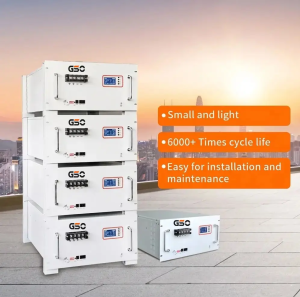
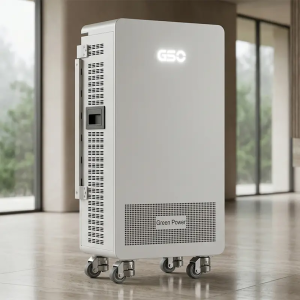
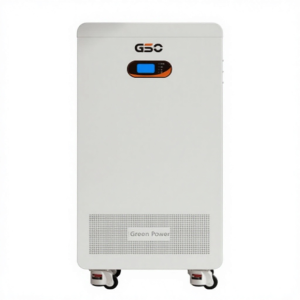
Alongside the solar panels and inverter, a robust battery storage system is crucial. These batteries store solar energy collected during peak hours, ensuring that energy is available when sunlight is low or during power outages. Choosing a reliable hybrid inverter from brands like GSO Power enhances energy management capabilities, delivering both efficiency and sustainability.
Conclusion
In the evolving landscape of renewable energy, hybrid inverters, specifically the hybrid on-grid inverter, stand out for their versatility and efficiency. These systems not only enable users to maximize their solar energy use but also contribute significantly to energy independence and sustainability. By understanding their functionality and benefits, individuals and businesses can make informed decisions about incorporating this technology into their energy strategies. At GSO Power, we are enthusiastic about the role of hybrid inverters in shaping a cleaner, more sustainable future.