
When considering renewable energy options, integrating solar with battery storage has emerged as a highly efficient solution. This combination not only maximizes energy efficiency but also paves the way for energy independence. With significant advancements in technology, the availability of wall-mounted LiFePO4 batteries paired with hybrid inverters has redefined residential energy solutions. At GSO Power, we explore how these systems function, their specifications, and the various benefits they present to homeowners.
Understanding Solar Battery Storage Technology
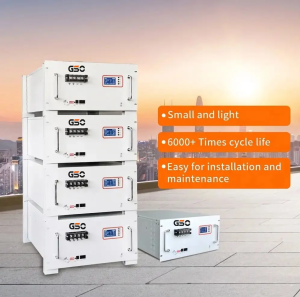
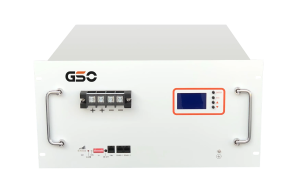
Solar battery storage involves the use of batteries that store excess energy produced by solar panels during the day for use at night or during power outages. This technology typically utilizes lithium iron phosphate (LiFePO4) batteries, known for their long cycle life and safety. The capacity of these solar battery storage systems can range from 5 kWh to 30 kWh, making them versatile for different household sizes and energy needs. Wall-mounted designs offer a convenient installation option, allowing homeowners to save space while maintaining easy access for future maintenance. Integrating hybrid inverters enhances the system’s efficacy, allowing for the seamless conversion between solar energy production, battery charging, and household energy consumption.
Advantages of Implementing Solar with Battery Storage
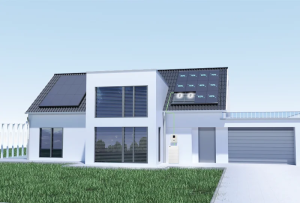
Incorporating solar battery storage introduces numerous benefits that go beyond basic energy savings. One significant advantage is the reduction in electricity bills. By harnessing energy generated during the day and utilizing it at night, homeowners can lessen their reliance on the grid and, as a result, curtail monthly expenditures. Additionally, these systems improve energy reliability. During a power outage, a well-designed battery setup ensures essential appliances remain operational, contributing to peace of mind for families.
Another critical benefit is environmental impact. By maximizing the use of clean solar energy, homeowners not only reduce their carbon footprint but also promote sustainable living. The energy efficiency offered by such systems aligns with the global push to reduce fossil fuel dependence. At GSO Power, we are committed to providing solutions that empower homeowners to make positive environmental choices while enjoying the substantial financial benefits that come with energy independence.
Use Cases for Solar Battery Storage Lighting the Future
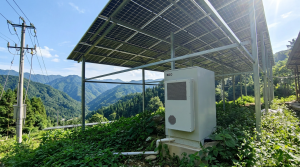
The applications of solar battery storage extend far beyond individual households. For instance, rural areas with limited connectivity to grid power can benefit greatly. Homeowners in these regions can rely on a solar-powered system with battery backup for consistent energy access, thereby enhancing their quality of life and economic opportunities. Furthermore, businesses exploring sustainable practices can leverage this technology for commercial applications, allowing for bulk energy savings and minimizing operational costs.
Urban settings also stand to gain from this technology. Smart city initiatives often incorporate solar with battery systems in community projects, such as parks and public buildings, helping city planners to create greener, more resilient infrastructures. The versatility of these systems makes them suitable for a myriad of use cases, demonstrating the broad potential of solar energy integration.
Conclusion
Integrating solar with battery storage solutions is not just a technological advancement; it represents a transformative approach to energy consumption. With specifications like wall-mounted LiFePO4 batteries and hybrid inverters, the benefits realized go well beyond financial savings to include increased reliability and environmental impact. At GSO Power, we believe that by adopting these innovative energy solutions, homeowners can achieve significant advancements in energy independence and sustainability. Embracing this technology is a step towards a greener future for all.