
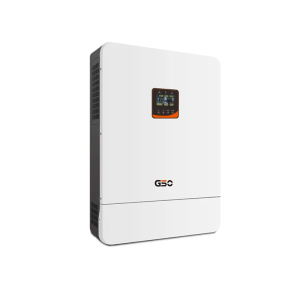
Managing electricity distribution within a modern facility requires a robust mechanical system that balances ambient power production with immediate consumer demands. Property owners frequently discover that fragmented component setups introduce high transformation friction and layout clutter across utility spaces. Utilizing a multi-functional on grid hybrid solar inverter changes this operational equation by condensing direct current conversion and alternating current grid syncing into one digital hub.
Understanding the Architecture of Bidirectional Current Conversion
Centralized power systems serve as the core mechanical processor that translates erratic direct current harvested by photovoltaic panels into usable alternating current. Traditional setups required separate, standalone charging mechanisms to route solar energy toward storage banks while simultaneously feeding active property lines. A bidirectional architecture merges these tasks, utilizing advanced internal processors to manage multi-directional electrical pathways seamlessly.
The internal physical framework places heavy-duty conversion circuitry within a highly resilient enclosure built to endure constant load cycles. Having these interconnected sub-systems share a single workspace minimizes energy transmission resistance and heat generation during high-traffic midday periods. It establishes a quiet, stable energy control room that continuously tracks the building’s complete power behavior.
Exploring the Structural Value of Multi Phase System Frameworks
Commercial enterprises and large-scale domestic estates require heavy electrical infrastructure that single-phase systems simply cannot support without dropping voltage lines. Operating heavy induction motors or large HVAC configurations requires three distinct, synchronized alternating current streams to prevent hazardous phase imbalances. Deploying an advanced three phase hybrid inverter ensures that large loads receive perfectly balanced power across all internal supply lines.
This multi-phase configuration protects high-voltage electronics from premature component wear caused by frequent power fluctuations. It represents the standard utility foundation for facility managers who must maintain continuous industrial processes without grid-matching friction. Adopting this configuration guarantees that your infrastructure complies fully with strict regional utility power regulations globally.
Evaluating Scalability Options Through Parallel Architecture Design
Enterprise operations rarely remain completely stagnant, often expanding production spaces or adding fleet charging stations as corporate demands increase. A rigid power system forces organizations to execute expensive, full-scale infrastructure overhauls whenever their daily usage levels outgrow old limits. Modern clean technology addresses this constraint by using open hardware architectures that adapt easily to increasing operational loads.
Our core platform supports up to 9 units in parallel — scale to any project size without encountering communication lag. Operators can connect up to 9 GST three-phase inverters in parallel for three-phase AC output across an expanding facility layout. This capability allows users to scale from 8.5kW to 112.5kW within the same product family — no system redesign as the project grows.
Streamlining Site Commissioning Through Pre Wired Technology
Traditional heavy-duty retrofitting projects require installation teams to source, mount, and wire numerous loose sub-components across multiple days. This lengthy field assembly window increases initial labor costs and introduces potential configuration errors between different component brands. Utilizing fully pre-wired, factory-tested systems minimizes onsite physical complications and speeds up the transition to green technology.
At GSOpower, we focus our engineering expertise on delivering unified, installer-friendly solutions that minimize deployment friction across global commercial markets. Our integrated setups remove the need for external distribution enclosures, shortening system commissioning times down to just a few hours. Simplifying the physical installation phase protects your facility from unnecessary operational downtime during the hardware integration phase.
Mitigating Peak Demand Charges via Software Logic Modes
Industrial electricity billing often places heavy financial penalties on businesses that generate sudden usage spikes during high-traffic hours. Utilizing an intelligent storage network allows enterprises to execute peak shaving by drawing from internal reserves when factory loads maximize. This method artificially flattens your property consumption curve from the perspective of the utility provider.
Lowering these peak demand spikes delivers immediate, measurable financial savings on monthly corporate operational utility statements. The financial benefits extend beyond direct utility bill reductions, turning an uncontrollable variable expense into a predictable, manageable overhead category. Investing in specialized storage infrastructure enhances the long-term value and structural resilience of your commercial property asset.
Prioritizing Thermal Safety in High Capacity Environments
Operating high-voltage conversion equipment near active spaces demands strict compliance with rigorous safety criteria. Advanced thermal management utilizes large aluminum heat sinks paired with silent cooling loops to prevent internal component fatigue. Multi-layered safety warnings continuously track voltage benchmarks and grounding safety to maintain complete structural protection.
Digital monitoring tools show active performance data directly on the main integrated screen, simplifying routine system checks. Any minor variance from normal operational behavior triggers an instant, automated isolation process to safeguard your property network. This continuous oversight preserves internal component health, ensuring your hardware maintains a predictable, multi-decade lifecycle.
Long Term Asset Care and Remote Diagnostic Performance
Maintaining peak performance across a multi-component energy platform is far simpler when all technical metrics consolidate. Smart monitoring applications track real-time solar inputs, active battery capacity, and output load statistics simultaneously. Keeping the external cabinet vents clear of heavy dust ensures the internal cooling loops work optimally year-round.
Automated internal software systems run background diagnostics to flag potential errors before they disrupt your daily routines. At GSOpower, our collective engineering focus centers on building reliable equipment that delivers clear on-screen status notifications. Consistent digital oversight preserves cell health, ensuring your hardware asset maintains a predictable, multi-decade operational lifecycle.
Conclusion
Upgrading your layout with an advanced three phase hybrid inverter network balances heavy electrical loads while protecting you from rising grid costs. Integrating a factory-tested on grid hybrid solar inverter ensures a seamless flow of energy between your solar array, storage cells, and public utilities. This planned infrastructure upgrade delivers immediate, measurable financial savings while building a highly stable and independent energy foundation.
Our production team at GSOpower continues to focus on manufacturing the precise, internationally compliant hardware needed to stabilize decentralized microgrids globally. Utilizing parallel expansions that scale cleanly up to 112.5kW eliminates systemic growing pains for evolving commercial platforms.