
Unstable power grids and ever-climbing electricity bills are compelling commercial property operators and residential owners alike to rethink their electrical infrastructure. Conventional grid-tied inverters come with inherent limitations—they cannot store surplus energy nor orchestrate bi-directional power flows with any flexibility. The game-changer lies in today’s on-grid hybrid solar inverter, which fuses PV regulation, utility interfacing, and battery storage into a single intelligent nerve center—fundamentally redefining how modern facilities manage their energy lifecycle.
This integrated approach stabilizes localized microgrid networks while dramatically lowering energy transmission resistance during severe peak consumption periods. Controlling your own local distribution network shields heavy-duty industrial machinery and sensitive digital systems from costly, unexpected voltage sags. We view this structural transition as a practical, forward-thinking step toward building true long-term utility independence and facility resilience.
The Operational Architecture of Dual Directional Energy Routing
Centralized conversion networks perform the vital technical task of transforming direct current from solar modules into usable alternating current. Traditional setups required separate, isolated backup chargers to manage battery storage pathways during daylight hours. A consolidated system eliminates this physical duplication by housing both functionalities within a single, highly responsive enclosure.
The internal processor continuously monitors incoming utility frequencies while tracking real-time generation trends from your rooftop. This dual-sided tracking capability guarantees that power moves smoothly to meet active household loads without conversion lags. Maintaining this automated equilibrium forms the core operational foundation of a modern, localized microgrid.
Exploring the Core Power Dynamics of Multi Phase Distribution
Large-scale commercial operations and high-consumption residential estates rely on multi-phase electrical frameworks to balance massive incoming current loads. Single-phase systems often experience severe phase imbalances and voltage fluctuations when heavy motorized machinery starts up. Implementing a specialized three phase hybrid inverter ensures that electrical energy is distributed equally across all active supply lines.
This balanced transmission method prevents high-voltage stress on delicate equipment while satisfying strict regional utility grid compliance guidelines. Maintaining three balanced current streams also allows facilities to export surplus generation back to the main grid safely. It represents the standard electrical foundation for properties that demand heavy-duty, uninterrupted energy distribution.
Verifying Output Stability for Demanding Industrial Hardware
Industrial environments rely on a steady supply of high-voltage power to keep production lines running smoothly without unexpected stoppages. Fluctuations in voltage can damage precision electronic components and cause heavy-duty mechanical equipment to overheat. Standard clean energy setups must deliver highly stable output profiles to support these demanding facility operations under continuous load cycles.
The system delivers a pure sine wave output across three phases at 400VAC, providing a balanced and stable power supply. This clean three-phase 400VAC output is fully suitable for three-phase loads including industrial motors, HVAC systems, and commercial equipment. This robust electrical delivery ensures that your facility’s heaviest machinery operates with maximum mechanical efficiency and safety.
Seamless Grid Switchover Performance During Utility Droop
Unexpected regional utility network failures pose a substantial risk to facilities that operate continuous digital networks or delicate automated assembly lines. Basic transfer configurations often exhibit minor electrical switching delays that cause desktop computers, internet routers, and smart electronics to reboot. Eliminating this technical friction requires high-speed internal switching mechanics that engage immediately when public utilities drop out.
A lightning-fast grid switchover in under 10ms keeps three-phase loads running without interruption, protecting active production cycles. This instant transfer speed prevents sensitive hardware from registering the power loss, eliminating the need for separate UPS equipment. This automated system ensures your facility operates smoothly through unexpected grid failures.
Understanding Grid Interaction and Export Limitation
Modern conversion units offer versatile software logic to alter how power is prioritized throughout the day as utility rules change. This programming flexibility allows users to maximize direct self-consumption by utilizing stored battery reserves during peak pricing hours. Lowering your reliance on public distribution assets flattens your consumption curve from the perspective of the utility provider.
When internal storage reserves are fully charged, surplus solar generation can feed back into the local communal infrastructure. This multi-layered balancing act ensures that your clean tech array stays highly productive through every operational hour. Managing these public and private distribution roles requires high-precision internal circuitry and strict compliance with local grid codes.
Prioritizing Thermal Safety in Enclosed Spaces
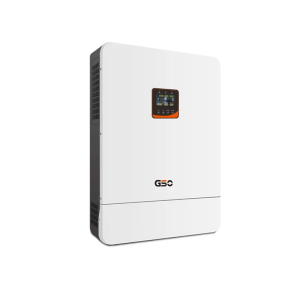
Operating high-voltage conversion equipment near active spaces demands strict compliance with rigorous safety criteria. Advanced thermal management utilizes large aluminum heat sinks paired with silent cooling loops to prevent internal component fatigue. Multi-layered safety warnings continuously track voltage benchmarks and grounding safety to maintain complete structural protection.
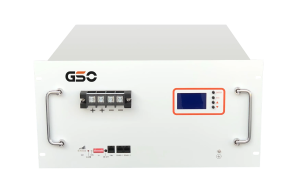
Digital monitoring tools show active performance data directly on the main integrated screen, simplifying routine system checks. Any minor variance from normal operational behavior triggers an instant, automated isolation process to safeguard your property network. This continuous oversight preserves internal component health, ensuring your hardware maintains a predictable, multi-decade lifecycle.
Strategic Procurement and Protocol Integration Flexibility
Selecting the right equipment provider involves looking beyond basic datasheets to evaluate manufacturing capability and technical support channels. Standard off-the-shelf conversion components often lack the pre-loaded protocol libraries required to interface smoothly with diverse third-party lithium battery brands. Our team provides full-spectrum technical consulting alongside flexible OEM/ODM services to satisfy distinct regional infrastructure rules.
The GSOpower product ecosystem combines advanced conversion hardware with intuitive control systems designed for diverse international microgrids. We focus on building versatile units that minimize physical field deployment complexity while shortening project commissioning times. Investing in purpose-built engineering guarantees that your property retains a highly dependable power buffer through any utility challenge.
Conclusion
Investing in a modern three phase hybrid inverter system allows you to distribute heavy electrical demands evenly across your property while protecting yourself from rising energy tariffs. Incorporating a pre-tested on-grid hybrid solar inverter creates an efficient, automated connection between your solar panel arrays, localized battery banks, and the public grid. This proactive technology upgrade provides instant, clear-cut utility savings while establishing a highly stable and autonomous power infrastructure.