
Deploying modern renewable infrastructure requires a sophisticated mechanism to manage the complex flow of electricity between generation panels, localized storage cells, and the public utility network. Standard grid-tied or off-grid units can only process energy in a single direction, often forcing homeowners to install multiple conflicting boxes to achieve complete energy flexibility. Utilizing a specialized solar hybrid inverter provides a streamlined alternative by unifying direct and alternating current management into a centralized intelligence hub.
This smart routing capability extracts maximum value from your hardware configuration while stabilizing the property microgrid during sudden external voltage fluctuations. Transitioning to a unified management framework ensures your household maintains consistent, high-efficiency power delivery regardless of changing weather patterns. We view this technical integration as a fundamental milestone for any modern property looking to establish true utility independence.
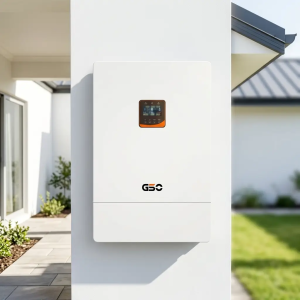
The Underlying Mechanics of Dual Directional Power Processing
Centralized conversion hardware operates as the primary processor for your clean tech array, continuously translating electrical currents to match your household demands. Photovoltaic cells generate raw direct current which must be transformed into clean alternating current to run everyday domestic appliances safely. Traditional conversion setups require separate standalone units to handle the simultaneous charging of your localized battery assets.
A bidirectional system eliminates this division of labor by executing both tasks smoothly within a single physical housing unit. The hardware monitors the incoming frequency from the utility grid while tracking real-time production curves from your rooftop array. This simultaneous evaluation prevents electrical transmission lag and maximizes overall network efficiency throughout the day.
Exploring the Core Utility of Specialized Smart Charging Routines
Every household presents completely distinct consumption habits that shift dynamically between quiet winter mornings and active summer afternoons. Managing these varying energy profiles effectively requires robust internal software logic that can prioritize different power sources on demand. Modern conversion systems achieve this optimization by introducing versatile charging pathways that users can adjust as local utility tariffs change.
The internal management system supports 4 charging modes — you set the priority based on your unique structural and financial goals. Operators can choose between solar only, grid priority, solar priority, or hybrid charging strategies during the initial setup phase. This comprehensive programming flexibility ensures that your storage cells stay active using the cheapest electricity available at any given hour.
Automated Logic Management and Remote Software Control
Configuring complex industrial-grade hardware shouldn’t require ongoing manual intervention or frequent on-site adjustments from engineering teams. Modern clean technology relies on automated processors that run advanced load-balancing algorithms continuously in the background. Once the initial operational logic is established, the internal brain handles all subsequent real-time distribution decisions independently.
The system is set once at commissioning via the APP or on-device — the inverter manages the logic automatically from that point forward. If local utility rules or seasonal weather patterns change, operators can alter their preferences remotely without an on-site visit. At GSOpower, we focus on developing these frictionless, digital interfaces to maximize long-term user convenience across global markets.
Navigating the Technical Distinctions of Grid Interaction
Understanding how your conversion asset interfaces with public utility providers helps clarify the long-term economic returns of your renewable upgrade. Hybrid systems offer the unique ability to feed surplus generation back into the communal pool when local cells are completely full. This process allows properties to accumulate utility credits while simultaneously protecting the broader local distribution grid from overvoltage events.
When external blackouts occur, the internal high-speed transfer switch isolates your property immediately to prevent dangerous grid islanding. This split-second separation creates a safe, self-contained microgrid that continues supplying active household circuits without interruption. Balancing these public and private distribution roles requires high-precision engineering and absolute adherence to international grid regulations.
Sizing Conversion Hardware to Match Peak Appliance Demand
Determining the ideal capacity for your conversion asset involves a detailed evaluation of your continuous loads versus instantaneous startup surges. Heavy motorized equipment, such as central cooling units or deep filtration pumps, draws immense current during their initial startup cycles. Choosing a configuration with robust surge capacity ensures that these heavy appliances start smoothly without causing system shutdowns.
At GSOpower, we focus our engineering efforts on building versatile, ruggedized power conversion systems that adapt to diverse structural load shapes. Matching your inverter scale accurately with your existing panel capacity prevents technical clipping and maximizes your daily generation potential. Sourcing properly balanced hardware safeguards your property investment and guarantees consistent backup performance through any season.
Prioritizing Thermal Safety and Advanced Internal Diagnostics
Operating high-voltage electrical conversion units near active residential spaces demands strict adherence to rigorous manufacturing protocols. Utilizing heavy-duty aluminum heat sinks and smart, variable-speed cooling fans prevents internal component stress during intense peak output windows. Multi-layered safety alerts continuously track voltage metrics and ground-fault parameters to maintain complete workplace protection.
Digital monitoring tools show active status indicators directly on the integrated display, simplifying routine property inspections for homeowners. Any slight variance from standard operating behavior triggers an instant, automated shutdown routine to protect your delicate domestic electronics. This proactive oversight preserves cell health, ensuring your hardware asset maintains a predictable, multi-decade operational lifecycle.
Strategic Procurement and Versatile Engineering Consulting
Selecting the right equipment provider involves evaluating long-term engineering capabilities alongside verified international safety certifications. Standard off-the-shelf components frequently lack the adaptable communication protocol libraries required to interface smoothly with diverse lithium battery brands. Our development team provides full-spectrum technical support alongside flexible OEM/ODM manufacturing services to satisfy distinct regional infrastructure rules.
The GSOpower product family merges advanced, high-efficiency conversion technology with intuitive software controls designed for diverse international microgrids. We focus on engineering robust components that minimize installation labor costs while maximizing overall systemic durability over a multi-decade operational timeline. Investing in purpose-built hardware guarantees that your home remains a resilient, independent power center through any utility challenge.
Conclusion
Integrating a dependable solar hybrid inverter setup equips modern homeowners with the precise tools required to conquer volatile electricity market pricing. Pairing efficient generation fields with flexible hybrid inverters solar systems secures an adaptable, high-efficiency defense against unexpected utility grid disruptions. This planned infrastructure upgrade delivers immediate financial utility savings while establishing a sustainable, independent energy foundation for your family.
At GSOpower, our collective mission centers on manufacturing the smart, robust power hardware required to optimize localized microgrids globally. Implementing automated, multi-mode logic controls simplifies system ownership and maximizes the clean energy return on your property layout.