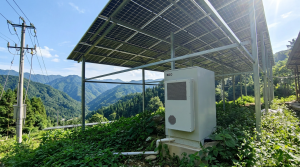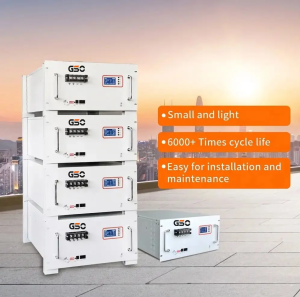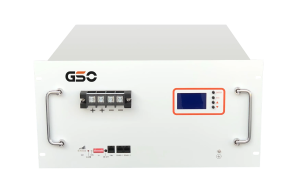

Evaluating modern property infrastructure requires a deep look into how electrical generation assets connect with local distribution storage networks. Standard historical installations utilized distinct, separated equipment architectures that often struggled to pass energy efficiently between solar arrays and backup battery banks. Investing in a multi-functional solar hybrid inverter streamlines this configuration by serving as a centralized, intelligent processor for all electrical routing.
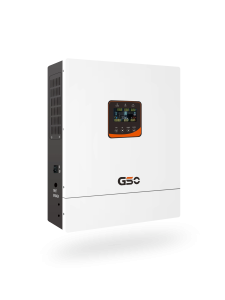
The Operational Architecture of Dual Directional Energy Routing
Centralized conversion networks perform the vital technical task of transforming direct current from solar modules into usable alternating current. Traditional setups required separate, isolated backup chargers to manage battery storage pathways during daylight hours. A consolidated system eliminates this physical duplication by housing both functionalities within a single, highly responsive enclosure.
The internal processor continuously monitors incoming utility frequencies while tracking real-time generation trends from your rooftop. This dual-sided tracking capability guarantees that power moves smoothly to meet active household loads without conversion lags. Maintaining this automated equilibrium forms the core operational foundation of a modern, localized microgrid.
Exploring Uninterrupted Standby Transfer Speed Thresholds
Unexpected regional grid failures pose a significant operational risk to modern homes packed with sensitive digital systems. Traditional backup transfer configurations often exhibit minor electrical switching delays that cause desktop computers, internet routers, and smart electronics to reboot. Eliminating this technical friction requires high-speed internal switching mechanics that engage immediately when public utilities drop out.
When the grid fails, the GST switches to battery output in under 10ms. This rapid activation happens fast enough that fridges, routers, and sensitive electronics don’t register the interruption. Achieving this level of performance eliminates the need for manual switching or external UPS hardware across your property.
Navigating the Technical Specs of Inverter Efficiency
Evaluating conversion hardware requires looking beyond basic output wattage numbers to analyze real-world conversion efficiency metrics. Every transformation between direct and alternating current introduces minor energy losses that dissipate into the surrounding environment as excess heat. Choosing hardware featuring premium conversion ratings ensures your property retains the highest percentage of captured solar energy.
High-efficiency ratings prevent your solar panels from working harder to satisfy baseline household demands. Tracking this technical benchmark helps property managers select equipment that delivers optimal long-term financial returns on initial hardware investments. It remains a critical design characteristic for comparing conversion tools across the international green technology market.
Understanding Grid Interaction and Self Consumption Dynamics
Modern conversion units offer versatile software logic to alter how power is prioritized throughout the day as utility rules change. This programming flexibility allows users to maximize direct self-consumption by utilizing stored battery reserves during peak pricing hours. Lowering your reliance on public distribution assets flattens your consumption curve from the perspective of the utility provider.
When internal storage reserves are fully charged, surplus solar generation can feed back into the local communal infrastructure. This multi-layered balancing act ensures that your clean tech array stays highly productive through every operational hour. Managing these public and private distribution roles requires high-precision internal circuitry and strict compliance with local grid codes.
Sizing Conversion Systems to Handle Peak Motor Surges
Determining the ideal capacity for your conversion asset involves a close look at your historical continuous loads versus peak startup requirements. Heavy induction motors inside central air conditioning setups or water pumps draw substantial current spikes during their initial startup cycles. Choosing a configuration with robust surge capacity ensures that these heavy appliances run smoothly without tripping internal safety breakers.
Our development focus at GSOpower centers on engineering ruggedized, highly stable power conversion blocks that handle diverse load configurations easily. Properly balancing your inverter scale with your existing rooftop array capacity prevents clipping and maximizes daily generation potential. Sourcing balanced components preserves your property investment and guarantees consistent backup performance through any season.
Prioritizing Thermal Safety in Enclosed Residential Spaces
Operating high-voltage conversion equipment near active residential spaces demands strict compliance with rigorous safety criteria. Advanced thermal management utilizes large aluminum heat sinks paired with silent cooling loops to prevent internal component fatigue. Multi-layered safety warnings continuously track voltage benchmarks and grounding safety to maintain complete structural protection.
Digital monitoring tools show active performance data directly on the main integrated screen, simplifying routine system checks. Any minor variance from normal operational behavior triggers an instant, automated isolation process to safeguard your property network. This continuous oversight preserves internal component health, ensuring your hardware maintains a predictable, multi-decade lifecycle.
Strategic Procurement and Protocol Integration Flexibility
Selecting the right equipment provider involves looking beyond basic datasheets to evaluate manufacturing capability and technical support channels. Standard off-the-shelf conversion components often lack the pre-loaded protocol libraries required to interface smoothly with diverse third-party lithium battery brands. Our team provides full-spectrum technical consulting alongside flexible OEM/ODM services to satisfy distinct regional infrastructure rules.
The GSOpower product ecosystem combines advanced conversion hardware with intuitive control systems designed for diverse international microgrids. We focus on building versatile units that minimize physical field deployment complexity while shortening project commissioning times. Investing in purpose-built engineering guarantees that your property retains a highly dependable power buffer through any utility challenge.
Conclusion
Integrating advanced hybrid solar inverters into your property layout establishes an efficient defense against rising electrical utility tariffs. Pairing robust energy harvesting fields with a reliable solar hybrid inverter secures continuous electricity through every season of the year. This planned infrastructure upgrade delivers immediate financial utility savings while building a highly stable and independent energy foundation.
At GSOpower, our collective engineering efforts center on manufacturing the highly responsive, automated hardware required to stabilize localized networks worldwide. Implementing high-speed transfer mechanics ensures your critical electronics remain completely unaffected during unexpected utility grid blackouts.