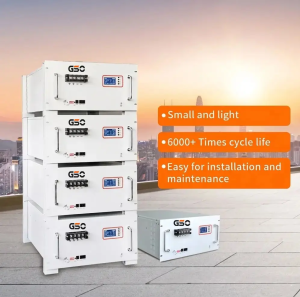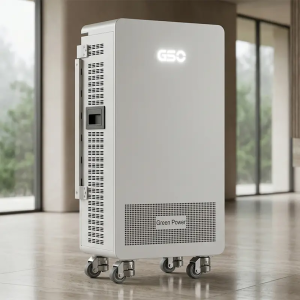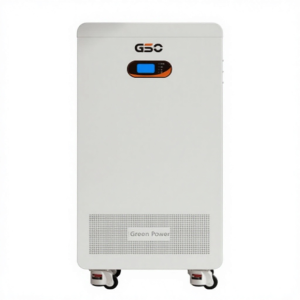

Adopting modern renewable infrastructure requires an analytical approach to managing the delicate electrical current paths flowing through a property grid. Standard traditional conversion systems usually treat electricity as a one-way street, which forces owners to acquire distinct standalone battery chargers to capture excess daytime generation. Installing an integrated solar hybrid inverter changes this landscape completely by handling incoming direct current and outgoing alternating current through a single digital management interface.
This technological evolution stabilizes local microgrid networks and significantly drops energy transmission resistance during severe high-load cycles. Having a centralized control platform prevents unexpected electrical faults and safeguards expensive industrial or domestic electronics from sudden localized voltage sags. We view this structural transition as a practical baseline necessity for any forward-thinking facility aiming to lower public grid dependence.

The Fundamental Mechanics of Bidirectional Power Processing
Centralized conversion units serve as the primary processing brain for your clean tech array, translating electrical currents dynamically to match active household loads. Solar panels naturally harvest direct current from available sunlight, which must be modified into standard alternating current to run everyday property appliances. Traditional installations handle these transformations across completely separate, disconnected hardware enclosures.
A unified bidirectional architecture combines these scattered paths, executing both tasks simultaneously within a high-durability internal circuit array. The internal processor continually evaluates public grid frequencies while monitoring real-time production curves from your rooftop panel array. This synchronized balancing act ensures that electricity moves to where it is needed most without experiencing transmission lag.
Maximizing Rooftop Harvesting via Advanced MPPT Engineering
The raw output coming from photovoltaic modules changes continuously throughout the day due to moving cloud layers and shifting environmental temperatures. Capturing this erratic power efficiently demands a high-speed controller that can calculate the ideal electrical operating threshold under varying atmospheric conditions. Modern hardware relies on digital processing to keep the generation path closely aligned with your storage banks.
Advanced DSP control with advanced algorithms tracks the solar array’s maximum power point continuously to eliminate collection bottlenecks. Operating at an exceptional 99.9% efficiency, virtually no generation is lost between the panel and the battery matrix during peak sunshine. This 99.9% MPPT tracking efficiency guarantees that every single watt your panels produce gets stored or used immediately.
Exploring Uninterrupted Standby Transfer Speed Thresholds
Unexpected regional utility network dropouts pose a substantial risk to facilities that operate continuous digital networks or delicate automated assembly lines. Basic transfer configurations often exhibit minor electrical switching delays that cause desktop computers, internet routers, and smart electronics to reboot. Eliminating this technical friction requires high-speed internal switching mechanics that engage immediately when public utilities drop out.
When external blackouts strike, the system shifts its source priority toward localized power reserves within a fraction of a second. This rapid changeover ensures that sensitive facility lines continue operating without missing a cycle or suffering system data corruption. Achieving this degree of automation removes the necessity of adding complex external UPS frameworks to your layout.
Navigating the Technical Distinctions of Grid Interaction
Understanding how your conversion asset interfaces with public utility providers helps clarify the long-term economic returns of your renewable upgrade. Modern hybrid solar inverters offer the unique ability to feed surplus generation back into the communal pool when local cells are completely full. This process allows properties to accumulate utility credits while simultaneously protecting the broader local distribution grid from overvoltage events.
This strategic interaction transforms an unpredictable variable into a highly structured and manageable corporate energy asset. Balancing these public and private distribution roles requires high-precision engineering and absolute adherence to international grid regulations. Our engineering group focuses on making these grid-tied transitions as smooth and safe as possible for global energy operators.
Sizing Conversion Hardware to Match Peak Appliance Demand
Determining the ideal capacity for your conversion asset involves a detailed evaluation of your continuous loads versus instantaneous startup surges. Heavy motorized equipment, such as central cooling units or deep filtration pumps, draws immense current during their initial startup cycles. Choosing a configuration with robust surge capacity ensures that these heavy appliances start smoothly without causing system shutdowns.
At GSOpower, we focus our engineering efforts on building versatile, ruggedized power conversion systems that adapt to diverse structural load shapes. Matching your inverter scale accurately with your existing panel capacity prevents technical clipping and maximizes your daily generation potential. Sourcing properly balanced hardware safeguards your property investment and guarantees consistent backup performance through any season.
Prioritizing Thermal Safety in Enclosed Residential Spaces
Operating high-voltage conversion equipment near active residential spaces demands strict compliance with rigorous safety criteria. Advanced thermal management utilizes large aluminum heat sinks paired with silent cooling loops to prevent internal component fatigue. Multi-layered safety warnings continuously track voltage benchmarks and grounding safety to maintain complete structural protection.
Digital monitoring tools show active performance data directly on the main integrated screen, simplifying routine system checks. Any minor variance from normal operational behavior triggers an instant, automated isolation process to safeguard your property network. This continuous oversight preserves internal component health, ensuring your hardware maintains a predictable, multi-decade lifecycle.
Strategic Procurement and Protocol Integration Flexibility
Selecting the right equipment provider involves looking beyond basic datasheets to evaluate manufacturing capability and technical support channels. Standard off-the-shelf conversion components often lack the pre-loaded protocol libraries required to interface smoothly with diverse third-party lithium battery brands. Our team provides full-spectrum technical consulting alongside flexible OEM/ODM services to satisfy distinct regional infrastructure rules.
The GSOpower product ecosystem combines advanced conversion hardware with intuitive control systems designed for diverse international microgrids. We focus on building versatile units that minimize physical field deployment complexity while shortening project commissioning times. Investing in purpose-built engineering guarantees that your property retains a highly dependable power buffer through any utility challenge.
Conclusion
Deploying modern hybrid solar inverters network arms property owners with the technical tools needed to successfully manage volatile electricity expenses. Linking high-efficiency panel fields with responsive hybrid solar inverters setups builds a reliable shield against central distribution outages. This proactive capital investment decreases long-term utility spending while minimizing the localized environmental footprint of your enterprise or home.
At GSOpower, our collective mission centers on manufacturing the automated, ultra-precise conversion hardware required to stabilize decentralized microgrids globally. Implementing high-efficiency tracking algorithms ensures that your clean tech installation captures and utilizes every bit of available ambient energy.