
Transitioning to a modern renewable energy setup requires a strategic approach to directing electricity throughout your local grid. Historically, standard solar installations processed power in only one direction, meaning property owners had to install separate, individual battery chargers to save any extra daytime power. Incorporating an integrated solar hybrid inverter completely redesigns this process, managing both incoming direct current and outgoing alternating current through one streamlined digital interface.
This technological evolution stabilizes local microgrid networks and significantly drops energy transmission resistance during severe high-load cycles. Having a centralized control platform prevents unexpected electrical faults and safeguards expensive industrial or domestic electronics from sudden localized voltage sags. We view this structural transition as a practical baseline necessity for any forward-thinking facility aiming to lower public grid dependence.
The Fundamental Mechanics of Bidirectional Power Processing
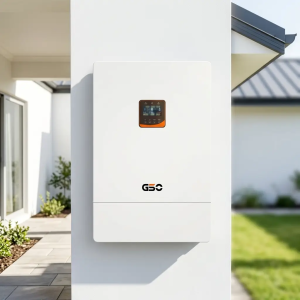
Centralized conversion units serve as the primary processing brain for your clean tech array, translating electrical currents dynamically to match active household loads. Solar panels naturally harvest direct current from available sunlight, which must be modified into standard alternating current to run everyday property appliances. Traditional installations handle these transformations across completely separate, disconnected hardware enclosures.
A unified bidirectional architecture combines these scattered paths, executing both tasks simultaneously within a high-durability internal circuit array. The internal processor continually evaluates public grid frequencies while monitoring real-time production curves from your rooftop panel array. This synchronized balancing act ensures that electricity moves to where it is needed most without experiencing transmission lag.
Navigating Global Compliance and Safety Certifications
Deploying electrical infrastructure across international territories demands strict adherence to rigorous manufacturing protocols and strict safety benchmarks. Hardware that lacks recognized standardization testing poses direct operational risks to localized building networks and property safety. Independent validation verification proves that a power system can withstand continuous voltage stress without suffering internal circuit breakdowns.
Securing regulatory approvals confirms that an engineering layout operates safely under extreme workplace temperatures and transient power surges. Our equipment is CE certified under IEC62109-1 and EN61000, confirming strict compliance with the highest international safety and emissions metrics. These formal certifications guarantee that the internal shielding, ground insulation, and thermal management comply fully with global electrical standards.
Managing Complex Output Voltage Adaptation
Different regions around the globe utilize wildly diverse electrical distribution profiles, making hardware versatility an absolute necessity for global enterprises. A rigid, single-voltage conversion system limits your deployment flexibility and forces engineering teams to source region-specific equipment components. Incorporating adjustable internal mechanics allows a single system block to integrate smoothly with diverse national utility frameworks.
The advanced software architecture ensures that the output voltage is adjustable between 200/208/220/240VAC to accommodate varied facility demands. This wide voltage range means the hardware is fully compatible with European, Australian, and most Asian grid standards. This adaptive capability simplifies global logistics, ensuring a smooth digital connection whether your facility sits in London, Sydney, or Bangkok.
Sizing Conversion Hardware to Match Peak Appliance Demand
Determining the ideal capacity for your conversion asset involves a detailed evaluation of your continuous loads versus instantaneous startup surges. Heavy motorized equipment, such as central cooling units or deep filtration pumps, draws immense current during their initial startup cycles. Choosing a configuration with robust surge capacity ensures that these heavy appliances start smoothly without causing system shutdowns.
At GSOpower, we focus our engineering efforts on building versatile, ruggedized power conversion systems that adapt to diverse structural load shapes. Matching your inverter scale accurately with your existing panel capacity prevents technical clipping and maximizes your daily generation potential. Sourcing properly balanced hardware safeguards your property investment and guarantees consistent backup performance through any season.
Understanding Grid Interaction and Self Consumption Dynamics
Modern conversion units offer versatile software logic to alter how power is prioritized throughout the day as utility rules change. This programming flexibility allows users to maximize direct self-consumption by utilizing stored battery reserves during peak pricing hours. Lowering your reliance on public distribution assets flattens your consumption curve from the perspective of the utility provider.
When internal storage reserves are fully charged, surplus solar generation can feed back into the local communal infrastructure. This multi-layered balancing act ensures that your clean tech array stays highly productive through every operational hour. Managing these public and private distribution roles requires high-precision internal circuitry and strict compliance with local grid codes.
Prioritizing Thermal Safety in Enclosed Residential Spaces
Operating high-voltage conversion equipment near active residential spaces demands strict compliance with rigorous safety criteria. Advanced thermal management utilizes large aluminum heat sinks paired with silent cooling loops to prevent internal component fatigue. Multi-layered safety warnings continuously track voltage benchmarks and grounding safety to maintain complete structural protection.
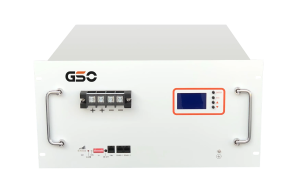
Digital monitoring tools show active performance data directly on the main integrated screen, simplifying routine system checks. Any minor variance from normal operational behavior triggers an instant, automated isolation process to safeguard your property network. This continuous oversight preserves internal component health, ensuring your hardware maintains a predictable, decade-long lifecycle.
Strategic Procurement and Protocol Integration Flexibility
Selecting the right equipment provider involves looking beyond basic datasheets to evaluate manufacturing capability and technical support channels. Standard off-the-shelf conversion components often lack the pre-loaded protocol libraries required to interface smoothly with diverse third-party lithium battery brands. Our team provides full-spectrum technical consulting alongside flexible OEM/ODM services to satisfy distinct regional infrastructure rules.
The GSOpower product ecosystem combines advanced conversion hardware with intuitive control systems designed for diverse international microgrids. We focus on building versatile units that minimize physical field deployment complexity while shortening project commissioning times. Investing in purpose-built engineering guarantees that your property retains a highly dependable power buffer through any utility challenge.
Conclusion
For modern property management, the hybrid solar inverters architecture represents full-scale energy autonomy. When coupled with high-yield solar panels, this system forms a formidable barrier against volatile utility price hikes. The result is a dual benefit: sustained reduction in lifecycle operating costs and a decisive cut in the property’s carbon emissions.
Our production team at GSOpower continues to focus on manufacturing the precise, internationally compliant hardware needed to stabilize decentralized microgrids globally. Utilizing CE-certified engineering paired with wide voltage compatibility simplifies your transition to sustainable energy across diverse regional boundaries.