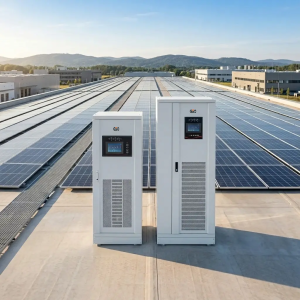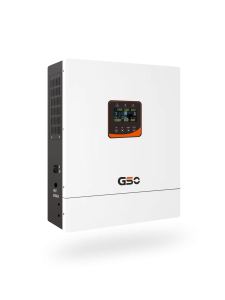

The phrase battery backup for whole house suggests that every appliance can keep running when the grid fails. In practice, the result depends on battery capacity, inverter power, household demand, and how the electrical system is connected. Our GSOpower’s GBP-L Series is a wheeled lithium iron phosphate battery designed as the storage part of a home backup system. Before investing, it helps to understand what that battery can contribute and which other components the project requires.
Decide What a Whole House Means for Your Home
Whole house battery backup can mean that all household circuits are connected to a backup system, or it can mean that the system has enough power to run every appliance at once. Those are different promises. A home may have a battery large enough to keep lights, refrigeration, internet, and some heating equipment on overnight but not enough inverter output to run an electric oven, central air conditioner, and car charger simultaneously.
Begin by separating essential loads from optional ones. Decide whether your goal is a few hours of uninterrupted daily routines, overnight coverage, or a longer outage. The more large appliances you include, the greater the required battery capacity and inverter rating. A plan built around your actual priorities will be more useful than a generic claim about powering an entire house.
Calculate Energy and Power Separately
Battery capacity is measured in kilowatt-hours, or kWh. It indicates how much energy can be stored. Inverter output is measured in kilowatts, or kW, and limits how much power can be supplied at one time. A whole house battery backup design needs enough of both. More battery modules can extend runtime, but they do not automatically increase the power rating of an existing inverter.
For a first estimate, list the appliances you would use during an outage and their expected running times. If the selected loads average 1.5 kW over 12 hours, they need about 18 kWh of delivered electricity. A battery with a nominal capacity of 18 kWh would not necessarily meet that target: usable capacity, conversion losses, and a reserve for changing conditions all matter. An installer can turn this rough estimate into a system design.
Also check starting power. Pumps, refrigerators, and air-conditioning equipment may briefly draw more power when they start than they use while running. Your inverter and wiring must handle those peaks. If you intend to use high-demand appliances during an outage, discuss which combinations can operate together rather than assuming every circuit can run freely.
Look Closely at the GBP-L Battery
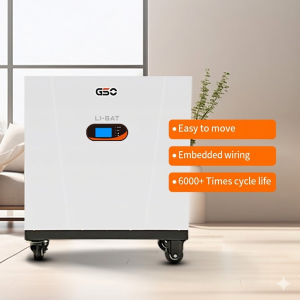
Our GBP-L Series uses a wheeled cabinet that can help installers position a large battery without wall mounting. The product range is listed at approximately 13.44 kWh to 32 kWh per unit, with options for parallel expansion. An LCD shows battery status and supports on-screen selection of inverter communication protocols. The lithium iron phosphate cells are specified for more than 5,000 cycles at 80% depth of discharge.
These features make the GBP-L a potential foundation for whole house battery backup, but the battery is not a complete system by itself. It stores DC electricity; a compatible hybrid inverter is needed to supply AC power to home circuits. The inverter, battery controls, and electrical layout determine which loads receive backup power and how the system behaves when the grid fails. Adding solar panels is an option, not a requirement, if the selected inverter and installation support the intended charging method.
Plan the Installation Before Ordering
The GBP-L’s wheels help with placement, but the units listed on the product page weigh well over 100 kg. Treat the battery as installed electrical equipment, not as a portable appliance to move around while connected. Its IP20 rating also calls for a suitable protected location. Check floor space, access for service, wiring routes, and the environmental limits in the product specifications.
A qualified installer should confirm battery and inverter compatibility, communication settings, circuit connections, and the equipment needed to isolate the home safely from the grid during an outage. If you already have solar panels, ask whether the proposed system can recharge the battery while grid power is unavailable. That capability depends on the overall design and should be confirmed before purchase.
Compare the Full Investment
The battery price is only part of the cost. An estimate may also include an inverter, switching equipment, electrical work, installation, and any changes needed for the chosen circuits. Ask for a written proposal that states the usable capacity, supported loads, expected runtime under stated assumptions, and room for future expansion.
Savings are equally specific to the home. Storing surplus solar energy or charging during lower-priced hours may reduce purchased electricity, but the result depends on local tariffs and daily use. Outage protection has value too, even when it does not appear as a simple payback figure. Compare proposals against the benefits you actually want rather than relying on a universal return estimate.
Conclusion
Before buying whole house battery backup, define the loads you want to protect, calculate their energy needs, and check the highest power they may demand together. Then confirm the inverter, installation, and charging plan. These steps reveal whether one battery module is enough, whether expansion is sensible, and what your backup system can realistically do.
At GSOpower, our GBP-L Series as a flexible storage option for homeowners planning a tailored backup system. Its wheeled format, capacity range, and monitoring features can support that plan when paired with compatible equipment and a design based on the household’s real electricity use.