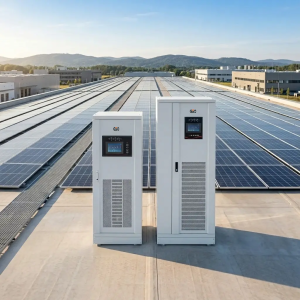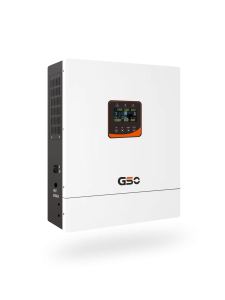

When homeowners research whole house battery backup cost, they often compare one equipment price and expect a simple answer. The final investment depends on capacity, inverter power, installation work, electrical upgrades, operating goals, and monitoring. A whole house battery backup must match the loads you want to run, the required hours, and the way your home uses solar and grid electricity.
What whole house battery backup includes
A whole house battery backup supports the property rather than only a portable appliance. It combines a battery, compatible hybrid inverter, protection, transfer controls, and a connection to the home panel. Depending on design, it can power refrigeration, lights, communications, pumps, and selected heating or cooling circuits during an outage.
Whole house does not mean every appliance runs simultaneously. Heaters, ovens, pool pumps, and vehicle chargers consume high power. Installers may exclude those loads or control them. A realistic load schedule creates a reliable system and transparent quote.
Battery capacity is the first price factor
Capacity in kilowatt-hours determines stored energy. Overnight users may need less; homes with medical equipment, frequent outages, or an electric vehicle may need more. Usable capacity is below the nameplate because the system keeps a reserve and incurs conversion losses.
List appliances, running wattage, and backup hours. Refrigeration and communications need steady power, while air conditioning and well pumps raise both energy and power requirements. More capacity costs more, but undersizing can restrict loads or end backup early.
Inverter power and backup hardware
The inverter determines how much power the home can draw at one time and whether motors can start without tripping. A larger battery does not compensate for an undersized inverter. Whole house battery backup cost therefore includes the inverter’s continuous rating, peak surge capability, transfer equipment, and the number of circuits that will be backed up.
Switching performance matters. With a compatible hybrid inverter, a configured system can change from grid to battery quickly. Quotes should identify the inverter, transfer arrangement, circuits, and commissioning rather than only a battery module.
Chemistry cycle life and service life
LiFePO4 batteries often cost more upfront than lead-acid but suit frequent cycling. Compare lifetime energy, depth of discharge, warranty, temperature range, and replacement timing. Daily cycling requires a different evaluation from emergency-only use.
Product Spotlight
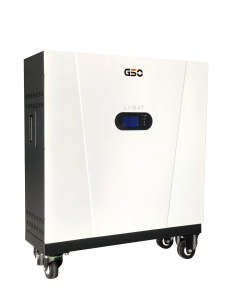
Our GSOpower’s GBP-L Series Wheel Type LiFePO4 Battery is designed for homeowners and small businesses that need flexible whole house battery backup. It is available on 48V and 51.2V platforms, with nominal capacities from 13.44kWh to 32kWh per unit. The series uses LiFePO4 cells, supports more than 5,000 cycles at 80% depth of discharge, and has a stated design life of ten years.
We built the GBP-L with integrated wheels so it can be positioned without wall fixings or a structural assessment. Its LCD display shows battery status and provides on-screen selection for supported inverter communication protocols. Plug-in terminal connections help keep wiring organized, while natural air cooling avoids the noise of a dedicated battery fan. Maximum continuous charge and discharge current varies by model, reaching 150A or 200A on the listed configurations.
The product can work alone or in a larger approved configuration. With a compatible hybrid inverter, it can support home circuits during outages and shift consumption from expensive periods. Its IP20 enclosure requires a dry, protected installation area within specified temperature and humidity limits.
Installation and site conditions
Labor can include a site survey, electrical design, permits, delivery, mounting or positioning, panel modifications, cabling, protective devices, and commissioning. A wheeled battery may reduce structural work, but it still needs safe clearance, a stable floor, and access for service. Long cable runs, difficult panel locations, or upgrades to the main service can add to the project total.
Check temperature ranges, ventilation, moisture, and local fire rules. A garage or utility room must keep the battery dry and provide clearances required by the installer and code.
Solar integration and future expansion
Adding solar panels can increase the value of whole house battery backup by replenishing the battery during the day and reducing grid purchases. It can also change the required inverter size and electrical work. Homes with existing solar should confirm whether the current inverter can coordinate with the new battery or whether a replacement hybrid inverter is needed.
Ask whether the system can expand later. Starting with one 13.44kWh or 16.1kWh class unit and adding capacity may be easier than installing the maximum battery on day one. Expansion must still account for inverter limits, cables, protection devices, floor space, and compatibility between modules.
How to compare quotes in twenty twenty six
Request an itemized proposal that separates battery capacity, inverter power, transfer equipment, installation labor, permits, monitoring, shipping, and taxes. Confirm the usable capacity, warranty period, cycle assumptions, expected backup circuits, and maintenance responsibilities. Ask the installer to model both outage performance and daily savings under your local tariff.
The lowest whole house battery backup cost is not always the lowest lifetime cost. A reliable comparison includes efficiency, expected cycling, replacement timing, service response, and the value of keeping critical loads online. It should also explain what happens when the battery is empty, solar production is low, or the grid remains unavailable for several days.
Conclusion
Whole house battery backup cost in twenty twenty six is shaped by the complete system rather than the battery alone. Capacity, inverter power, installation complexity, chemistry, solar integration, and future expansion all influence the final price. At GSOpower, we help customers evaluate the GBP-L wheeled LiFePO4 range and choose a whole house battery backup configuration that fits their loads, space, and energy priorities.